

In an era where images saturate every corner of our digital existence, the concept of “destruction” might seem antithetical to creation or beauty. Yet, 2026 ushers in an invigorating paradigm, one where the dismantling, deconstruction, and reimagining of images do not merely obliterate but liberate. This transformative process awakens a profound joy—a celebration of chaos birthing clarity, a joyful rupture promising fresh perspectives and awakening dormant curiosities. The joy of destruction springs forth not as nihilism but as a fertile ground for reinvention, inviting us to question the sacrosanct status of images and the narratives they uphold.
The Enigmatic Power of Deconstruction
Deconstruction is no simple act of demolition; it is a methodical, almost reverential act of intellectual dismantling. To deconstruct an image is to unfold it, layer by intricate layer, exposing the underlying frameworks, biases, and cultural constructs that shaped its existence. In 2026, this approach has transcended traditional confines, permeating art, media, and psycho-social discourse with an urgency and depth never before witnessed.
By breaking images apart, we see the fractures in their narratives—the fissures through which fresh insights seep. This process fosters a dynamic interplay between destruction and creation, a paradox where obliteration fuels genesis. It urges viewers to question not just what they see but how and why they see it, transforming passive consumption into active engagement.

From Cataclysm to Catharsis: Emotional Resonances
The allure of destruction is not merely intellectual—it resonates viscerally. Images, especially those entwined with personal and collective identity, can become shackles, branding narratives of limitation or stigma. The deconstruction of such images is nothing short of cathartic, a dismantling of long-standing mental barriers and inherited perceptions. Consider the mental health paradigms still pervasive in society: often, the depiction of mental illness is steeped in stereotypes, fear, or invisibility.
By breaking down these reductive images, a vibrant tapestry of authentic human experience emerges. This liberation induces joyous relief, a release from the constriction of stigmatized images into the expanse of empathetic understanding and nuanced storytelling. The process becomes an act of reclaiming agency over one’s image and identity, a profound statement that destruction is also an act of healing.
Visual Disruption as a Catalyst for Curiosity
There is an undeniable magnetism in images that resist the eye’s initial comfort or comprehension. When an image is deliberately deconstructed, fragmented, or altered, it disrupts habitual viewing patterns. This disruption kindles curiosity—a primal urge to make sense, to decode, to reconstruct meaning.
In 2026, this curiosity is harnessed as a transformative pedagogical tool. Educators and artists alike champion visual disruption as a means to encourage deeper critical thinking. When images no longer conform to expectations, the viewer must engage more profoundly, interrogating not only the image itself but also their own cognitive biases and cultural conditioning. This leap from passive observer to active investigator marks a seismic shift in visual literacy—a joyful intellectual adventure that opens new terrain for exploration and understanding.
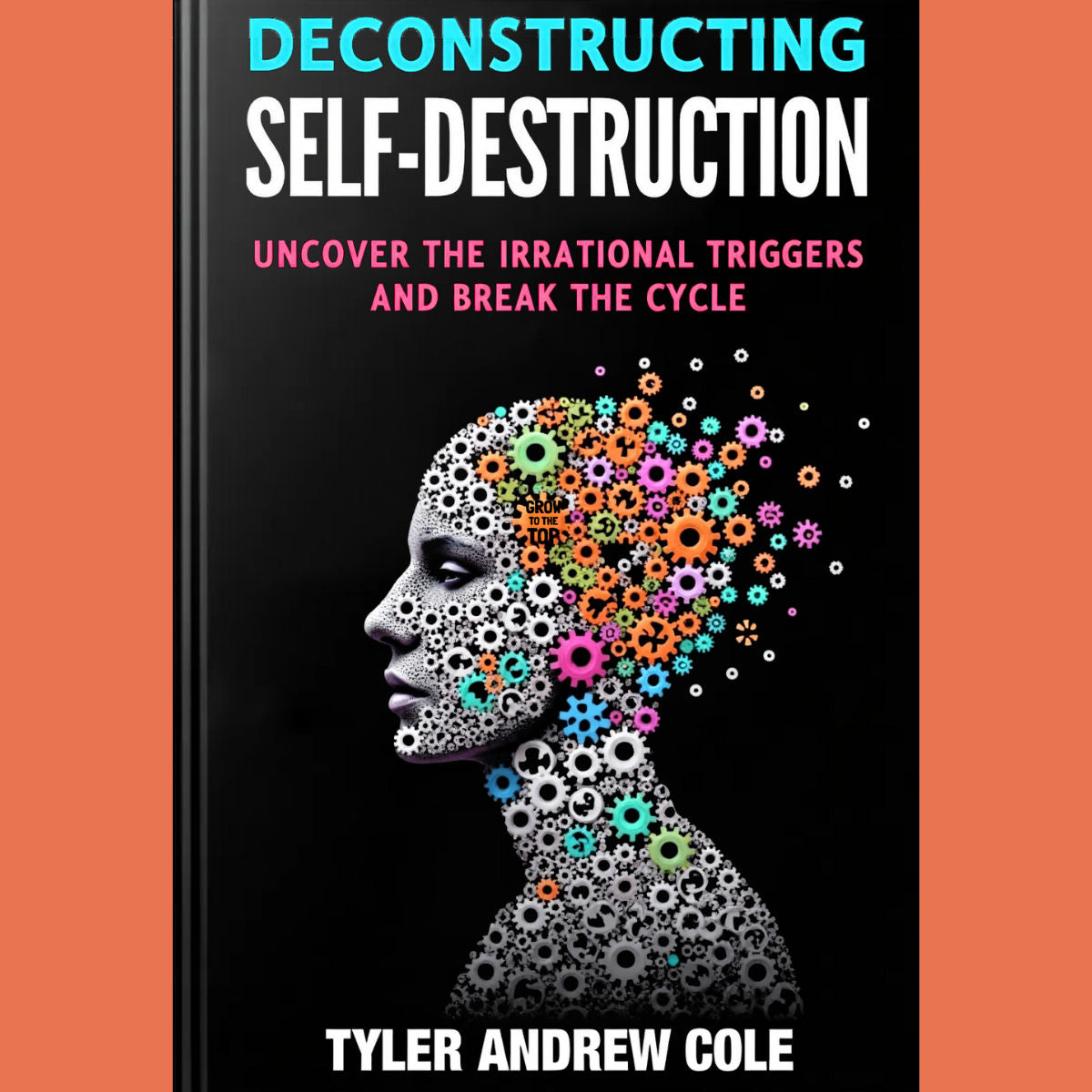
The Role of Technology in Amplifying Destruction’s Joy
Cutting-edge technologies have become instrumental enablers of this joyful destruction. Advanced imaging software, artificial intelligence, and augmented reality coalesce to transform how images are created, deconstructed, and reassembled. No longer confined to the artist’s canvas or the photographer’s lens alone, the act of destruction is democratized—anyone can now engage in remixing or dissecting imagery with unprecedented precision and creativity.
This technological infusion invites a collaborative spirit. Interactive platforms emerge where communities participate in modifying and recontextualizing images, generating a collective joy rooted in shared discovery. Far beyond destructive vandalism, this practice embodies a constructive anarchy, celebrating multiplicity and fragmentation as foundational to meaning making in a complex world.
The Intersection of Mental Health and Image Deconstruction
The reworking of images aligns harmoniously with evolving understandings of mental health in 2026. As society embraces vulnerability and complexity over reductionist stereotypes, the deconstruction of stigmatized imagery becomes a vital tool in reshaping public consciousness. By peeling away layers of misinformation and cultural bias, new portrayals emerge—ones that embrace the multifaceted nature of human experience.
This shift does more than inform; it empowers. Those previously marginalized by static, harmful images find a voice in the fluidity of reconstructed visuals. The synthesis of personal narrative and image becomes an act of defiance and joy, a potent statement that mental health can be represented through diverse, authentic, and empowering lenses.

ASMR and the Sensory Dimension of Visual Deconstruction
Intriguingly, the sensory and affective dimensions of deconstructed images also intersect with modalities like ASMR (Autonomous Sensory Meridian Response), which have gained traction for anxiety relief. Visual disruptions paired with gentle auditory cues create immersive environments that dissolve rigid visual schemas.
This multisensory experience adds complexity to the joy of destruction by blending relaxation with cognitive openness. The fractured image becomes not just an intellectual exercise but a soothing experience that recalibrates anxious minds, inviting curiosity in a comforting embrace. In this synesthetic convergence, destruction sheds its traditionally harsh connotations and transforms into a deeply restorative act.
Conclusion: Embracing the Paradox of Creation through Destruction
The joy of destruction in 2026 is a radical invitation. It beckons us to embrace paradox—to find exhilaration and renewal in the dismantling of what was once deemed inviolable. Images are no longer static relics; they are dynamic, mutable spaces imbued with possibilities for transformation, healing, and profound revelation.
As we navigate this exhilarating landscape, curiosity becomes our compass and joy our fuel. In the deconstruction of images lies the promise of discernment, empathy, and inventive reimagination. Far from an end, destruction kindles new beginnings—offering a luminous pathway toward understanding ourselves and the complex visual tapestry we inhabit.


Leave a Comment