

In the quiet hum of a suburban kitchen, where the scent of simmering spices mingles with the clatter of utensils, an unlikely alchemy unfolds. A humble roll of aluminum foil, a splash of cola, and a sheet of paper become the unlikely conspirators in a dance of creation that has captivated artists and tinkerers alike. This is kitchen lithography—a DIY printmaking technique that transforms the ordinary into the extraordinary, turning the mundane into masterpieces with little more than household staples and a dash of ingenuity.
The allure of kitchen lithography lies not just in its accessibility but in its defiance of convention. Traditional lithography, a process steeped in centuries of artistic tradition, demands specialized equipment, toxic chemicals, and a studio brimming with expensive tools. Yet here, in the heart of the home, a parallel universe of creativity thrives—one where a can of soda and a piece of foil hold the power to etch dreams onto paper. It’s a rebellion against the elitism of fine art, a democratization of the creative process that whispers of possibility to anyone willing to roll up their sleeves and experiment.
The Alchemy of Ingredients: How Cola and Foil Collide
At the heart of kitchen lithography is a chemical tango between the phosphoric acid in cola and the aluminum foil’s surface. When the soda is applied to the foil, it etches microscopic grooves into the metal, creating a receptive matrix that can hold ink. The foil, typically smooth and impervious, becomes a canvas of subtle textures, its surface now pockmarked with tiny imperfections that will later cradle the ink like a lover’s embrace. The cola’s effervescence isn’t just for show—it’s the catalyst, the invisible hand that coaxes the metal into submission, preparing it for the artist’s touch.
But why cola? The answer lies in its acidity. Phosphoric acid, a common ingredient in sodas, gently corrodes the aluminum, creating a surface that can be inked and printed. It’s a delicate balance—too much acid, and the foil dissolves entirely; too little, and the ink won’t adhere. The artist becomes a chemist, a sculptor of invisible reactions, coaxing the right conditions into existence with patience and intuition. The process is as much about control as it is about surrender, a dance where the artist must yield to the whims of chemistry while still guiding the outcome.
The Ritual of Preparation: Turning Foil into a Printing Plate
Before the first drop of ink touches paper, the foil must be transformed from a crinkled sheet into a printing plate. The process begins with cleaning—any residue, any fingerprint, any speck of dust could sabotage the print. The foil is scrubbed with soap and water, then dried with a lint-free cloth, its surface now pristine and ready for the cola’s kiss. The soda is applied with a sponge or a brush, its sugary tang filling the air as it reacts with the metal. The artist watches, waiting for the moment when the foil’s surface dulls, signaling that the acid has done its work.
Once etched, the foil is rinsed and dried, its surface now a labyrinth of microscopic valleys and ridges. This is where the magic happens. Ink, thick and velvety, is rolled onto the foil with a brayer, filling the etched grooves. Excess ink is wiped away, leaving only the ink trapped in the foil’s embrace. The paper, dampened slightly to soften its fibers, is placed atop the inked foil, and pressure is applied—either by hand, with a spoon, or in a printing press. When the paper is peeled away, the image emerges, a ghostly imprint of the artist’s vision, born from the union of soda and metal.

The Dance of Imperfection: Embracing the Unpredictable
Kitchen lithography is not for the perfectionist. It is a medium that thrives on serendipity, where happy accidents are celebrated and flaws are embraced. The etched foil may produce streaks, uneven tones, or unexpected textures—each one a testament to the process’s raw, unfiltered nature. Unlike the precision of digital printing or the controlled strokes of a paintbrush, kitchen lithography is a dialogue between artist and material, where the outcome is never guaranteed but always intriguing.
This unpredictability is part of its charm. The artist must relinquish control, trusting that the chemistry will do its part while they focus on the creative act. It’s a humbling experience, one that strips away the ego of the creator and replaces it with a sense of wonder. The prints that emerge are never identical, each one a unique fingerprint of the moment it was made. There’s a poetry in that—an acknowledgment that art is not just about control but about surrender, about letting the materials speak as much as the artist does.
From Kitchen to Gallery: The Rise of DIY Printmaking
What began as a quirky experiment in home studios has blossomed into a full-fledged movement. Kitchen lithography has found its way into art schools, community workshops, and even professional galleries, proving that great art doesn’t require a fortune or a degree. It’s a testament to the democratization of creativity, a reminder that inspiration can strike anywhere—even in the aisles of a grocery store.
The technique has also sparked conversations about sustainability in art. By repurposing everyday materials, artists reduce their reliance on specialized (and often toxic) printmaking supplies. The aluminum foil, once a discarded wrapper, becomes a reusable plate. The cola, once a fleeting indulgence, becomes a tool of transformation. It’s a small but meaningful shift, one that challenges the notion that art must come at a cost—to the wallet or the planet.
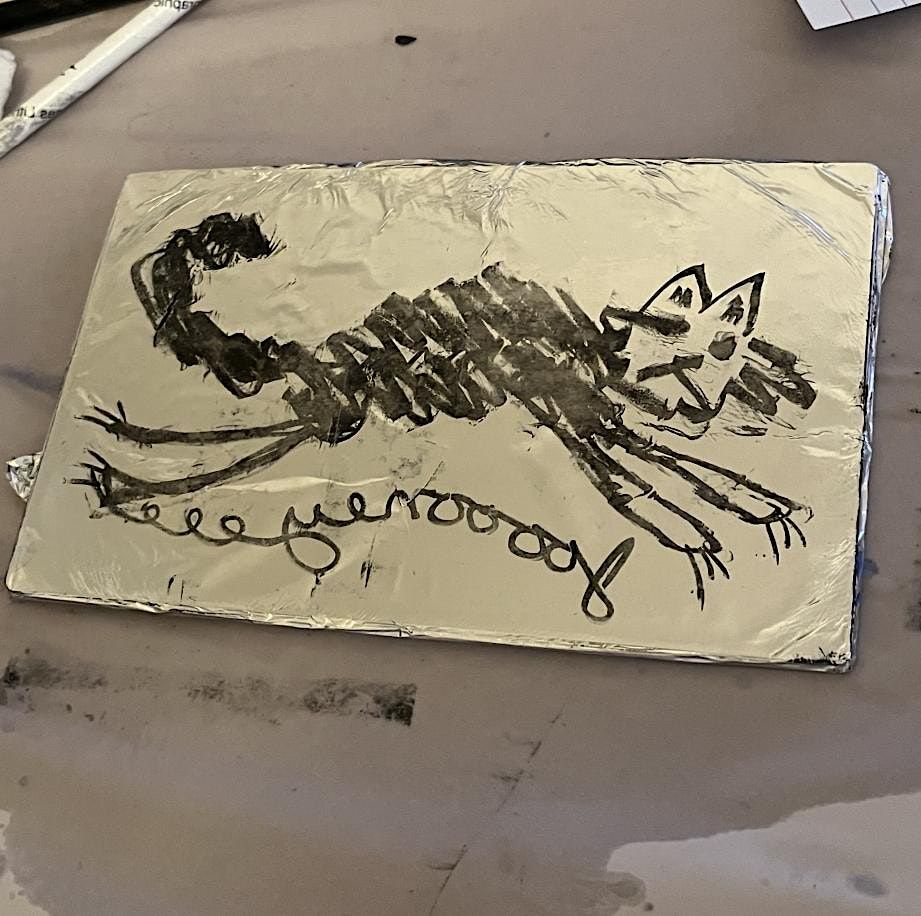
The Deeper Fascination: Why We’re Drawn to the Unconventional
There’s something deeply human about the allure of kitchen lithography. It taps into a primal desire—to create, to transform, to make something from nothing. In a world where everything is mass-produced and disposable, the act of making art by hand feels revolutionary. It’s a rebellion against the throwaway culture, a declaration that beauty can be born from the most unlikely of places.
There’s also a psychological undercurrent to the process. The unpredictability of kitchen lithography mirrors the unpredictability of life itself. Just as the artist cannot control every aspect of the print, we cannot control every aspect of our existence. Yet, within that uncertainty lies the potential for something extraordinary. The prints that emerge are not just images on paper; they are metaphors for resilience, adaptability, and the beauty of the imperfect.
Perhaps that’s why kitchen lithography resonates so deeply. It’s not just about making art—it’s about rediscovering the joy of creation, of playing with the raw materials of the world and seeing what emerges. It’s a reminder that creativity isn’t confined to studios or galleries; it’s everywhere, waiting to be unlocked by those willing to look beyond the ordinary.
So the next time you crack open a can of soda or unroll a sheet of foil, pause for a moment. Consider the alchemy that could unfold. With a little patience, a dash of curiosity, and a willingness to embrace the unexpected, you might just find that the most extraordinary art begins in the most unassuming of places.


Leave a Comment