

The Lecoq Neutral Mask is more than a prop—it is a threshold. Stepping into its silent, featureless expanse, performers often report a peculiar sensation: the erasure of self. Not the obliteration of identity, but a curious dissolution, as if the contours of ego soften and recede. This is no fleeting trick of perception. It is a deliberate unraveling, a shedding of the habitual masks we wear daily—those micro-expressions, postures, and vocal tics that shape how we are seen and how we see ourselves. In the void of the Neutral Mask, something else emerges. Not emptiness, but potential. A space where the performer no longer performs, but simply *is*—and in that stillness, the world becomes vividly alive.
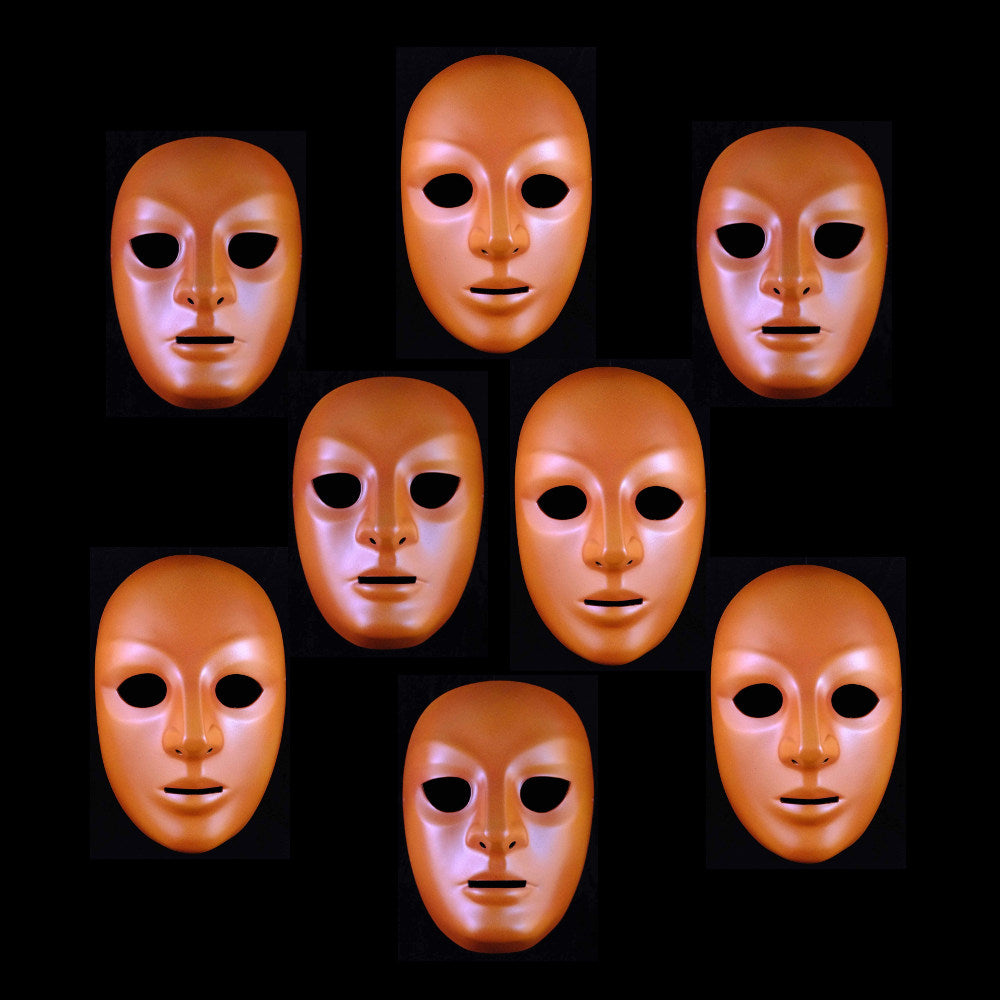
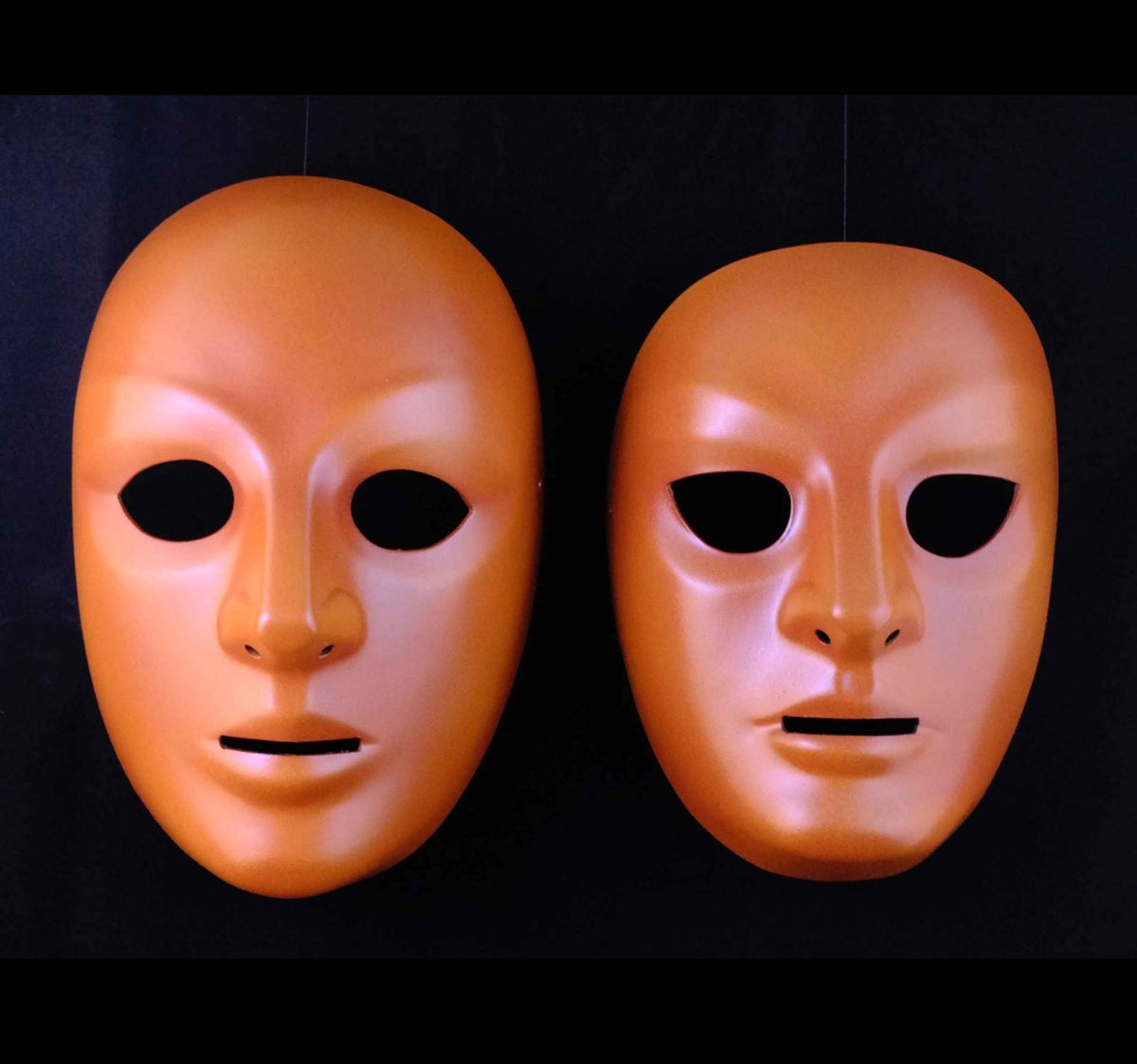
This paradox—erasing oneself to find everything—lies at the heart of Jacques Lecoq’s pedagogy. The Neutral Mask, crafted from pale leather or papier-mâché, is deliberately devoid of expression. Its smooth surface reflects no emotion, no age, no gender. It is a blank canvas, yet paradoxically, it is also a mirror. When worn, it does not hide the wearer; it reveals them. Not as they think they are, but as they are when stripped of performative layers. The mask becomes a conduit, a silent interrogator that forces the body to speak in pure physical language. And in that raw, unfiltered communication, performers discover a truth: the world is not a stage. It is a living organism, pulsing with rhythm, tension, and meaning—and they are finally part of it, not apart from it.
The Paradox of the Blank Canvas: Why Emptiness Speaks Volumes
Consider the Neutral Mask not as absence, but as a resonant chamber. When we remove the familiar signposts of identity—eyes that crinkle with joy, a mouth that curls in disdain, a brow that furrows in concentration—we are left with something raw and unmediated. The mask does not silence the performer. It amplifies them. Without the crutch of facial expression, the body must carry the entire narrative. A tilt of the head, the arc of an arm, the shift of weight from one foot to another—these become the vocabulary of storytelling. And in this economy of movement, every gesture gains weight. A slow, deliberate step is no longer just a step. It is a declaration. A clenched fist is not aggression, but a plea. The mask transforms the mundane into the mythic.
This is not mere abstraction. It is a return to primal communication. Before language, before symbols, before the tyranny of the selfie and the curated persona, humans communicated through the body. The Neutral Mask revives that ancient grammar. It forces performers to rediscover the body as a site of meaning, not just a vessel for the ego. And in doing so, it reveals something unsettling: we are not as unique as we believe. Beneath the layers of personality and affectation, we share a common physical language. The way we walk, the way we reach, the way we collapse—these are universal. The mask strips away the noise of individuality and exposes the pulse of humanity beneath.
The Body as Instrument: From Inhibition to Expression
For many performers, the Neutral Mask is a crucible. It exposes the habits that have calcified over years of training and performance—the over-reliance on facial expression, the tension in the shoulders, the rigidity in the spine. These are not flaws. They are armor. We wear them to protect ourselves, to control how we are perceived. But in the Neutral Mask, that armor becomes a cage. The mask demands surrender. It insists that the performer stop trying to be interesting and instead become *present*. And in that presence, something miraculous happens: the body begins to move with intention. Not the intention of the ego, but the intention of the moment. A gesture is no longer performed for an audience. It is an offering to the world.
This shift is not just technical. It is existential. The Neutral Mask teaches that expression is not about broadcasting emotion, but about receiving the world. When the performer stops trying to convey a specific feeling, they become a vessel for sensation. They begin to notice the air on their skin, the texture of the floor beneath their feet, the subtle shift in light across the room. The mask does not isolate the performer from the environment. It binds them to it. Every movement is a dialogue with the space, with gravity, with the unseen forces that shape our existence. In this way, the Neutral Mask is not just a training tool. It is a spiritual practice—a way of dissolving the boundaries between self and world.
The Mask as Mirror: What We See When We Look Back
There is a moment, often described by performers, when the Neutral Mask stops being a barrier and becomes a mirror. It is not a reflection of the face, but of the soul. In the stillness of the mask, the performer sees not their own image, but their essence—their fears, their desires, their unspoken truths. This is not a psychological exercise. It is a somatic revelation. The body, stripped of its usual disguises, reveals what the mind has been trying to hide. A performer might discover, for instance, that their habitual stance is one of retreat, their gestures hesitant and small. Or they might find a latent power in their movement, a strength they never knew they possessed. The mask does not judge. It simply shows.
This mirroring effect extends beyond the individual. When a group of performers work with the Neutral Mask together, something extraordinary occurs. The masks, though identical in form, become vessels for distinct energies. One performer might move with fluid grace, another with staccato precision. The differences are not in the masks, but in the performers themselves. And yet, when observed from a distance, the masks blur into a single, unified presence. This paradox—individuality within unity—is the essence of ensemble work. The Neutral Mask teaches that true collaboration is not about blending into the group, but about bringing one’s unique presence into a shared space. It is a lesson in both individuality and collectivity, a reminder that we are both singular and interconnected.
The World Revealed: How the Mask Transforms Perception
The most profound transformation wrought by the Neutral Mask is not in the performer, but in the world around them. Once the mask is removed, everything looks different. The room is no longer a backdrop, but a living entity. The other performers are not colleagues, but collaborators in a shared experiment. The audience, if present, is not a judge, but a witness to a revelation. This shift in perception is not metaphorical. It is physiological. Studies in neuroscience suggest that when we remove familiar cues—like facial expressions—our brains compensate by heightening our sensitivity to other forms of communication. We become more attuned to tone, posture, and rhythm. We notice the way light falls on a wall, the texture of a fabric, the scent of the air. The Neutral Mask does not dull the senses. It sharpens them.
This heightened perception is not limited to the stage. It spills into daily life. Performers who train with the Neutral Mask often report a newfound awareness of their surroundings. They notice the way people move in crowds, the unspoken hierarchies in a room, the subtle tensions that shape social interactions. The mask becomes a lens, a way of seeing the world that is both clearer and more nuanced. It is as if, for the first time, they are truly present in their own lives. The mask does not offer answers. It offers presence. And in that presence, the world reveals itself—not as a collection of objects, but as a web of relationships, a dance of forces, a living poem.
The Legacy of the Neutral Mask: A Tool for the Modern Age
In an era dominated by digital avatars and curated personas, the Neutral Mask feels almost radical. It is a rejection of the idea that identity is something to be constructed and displayed. Instead, it offers a path to authenticity—not the authenticity of the ego, but the authenticity of the body, the authenticity of the moment. It is a reminder that we are not just performers on the stage of life. We are participants in a vast, unfolding drama. The Neutral Mask does not ask us to be someone else. It asks us to be fully ourselves—to strip away the layers of pretense and stand bare before the world.
This is not escapism. It is engagement. The Neutral Mask does not isolate the performer from reality. It immerses them in it. It teaches that the deepest truths are not found in the mirror, but in the space between the self and the world. And in that space, everything becomes possible. A gesture can change the room. A step can alter the rhythm of a scene. A breath can shift the entire atmosphere. The Neutral Mask is not a tool for creating art. It is a tool for creating life. And in a world that often feels fragmented and disconnected, that is a gift beyond measure.
The Lecoq Neutral Mask does not erase the self. It reveals it. And in that revelation, we find not emptiness, but everything. We find the body as an instrument of expression. We find the world as a living, breathing entity. We find the courage to stand bare, not in shame, but in wonder. The mask is not a disguise. It is a revelation. And when we wear it, we do not lose ourselves. We finally find everything.


Leave a Comment