

What if flowers could sing a minor key? Their gentle petals and vibrant colors speak loudly in the language of joy and celebration, but what if beneath that bright veneer, there lurks an undercurrent of melancholy—a floral lament that challenges the very way we perceive nature’s bloom? This question is not merely poetic musing; it invites us to explore the subtle complexities of floral symbolism, where beauty and sorrow intertwine in a dance as delicate as the petals themselves.
The Enigmatic Language of Flowers: Beyond the Surface
Flowers have always communicated volumes without uttering a word. We often celebrate them as emblems of happiness, love, and vitality. But could they also be carriers of wistful undertones, a gentle dirge veiled beneath their luminous exterior? The notion of the “melancholy flower” introduces a fascinating paradox—how can something so exquisitely alive embody feelings of sadness or introspection?
This duality is embodied in blossoms like the melancholy thistle, whose deep purple hue evokes both regal grandeur and a muted sorrow. The flower’s thorny form hints at resilience forged through hardship, not unlike the protective armor built by those who harbor unspoken sorrows. Rather than shunning its somber mood, the melancholy flower invites us to engage with the bittersweet facets of existence, reminding us that beauty often coexists with fragility and loss.

Floral Pop in a Minor Key: The Psychology of Color and Mood
When one thinks of flower colors, vibrant reds, yellows, and pinks usually dominate the mental palette. Yet, the darker, muted tones—purples, deep blues, and somber burgundies—carry a psychological weight often overlooked. These hues resonate with a sense of reflection and quietude, akin to the mood conveyed by a piece of music composed in a minor key—a soundscape where beauty is tinged with melancholy.
These colors compel us to slow down, to ponder rather than simply admire. They invite a different engagement with the floral world, challenging the stereotype that flowers only embody unbridled joy. Instead, they reveal a more nuanced emotional spectrum, one where the edifice of happiness is softened by a twilight-like sorrow, a reflective pause in the crescendo of life.

Nature’s Poignant Paradox: Flourishing Amidst the Fade
It seems counterintuitive—a flower, the emblem of life’s blossoming, harboring melancholy. Yet nature’s most compelling creations often embody paradox. Consider the fleeting lifespan of many blooms; their transient existence is a beautiful reminder of impermanence. This ephemerality births a sadness that is intrinsically entwined with appreciation. One might say the melancholy flower whispers a poignant ode to temporality, beauty forged in the crucible of evanescence.
In this light, melancholy is not defeat but an acknowledgment of life’s impermanent nature. It challenges the assumption that joy and sorrow must be mutually exclusive. Instead, the flower’s muted chords invite us to embrace complexity, seeing sadness not as a limitation but as a depth of feeling that enhances appreciation for the ephemeral spectacle of bloom and wither.
Artistry and Expression: The Melancholy Flower in Creative Media
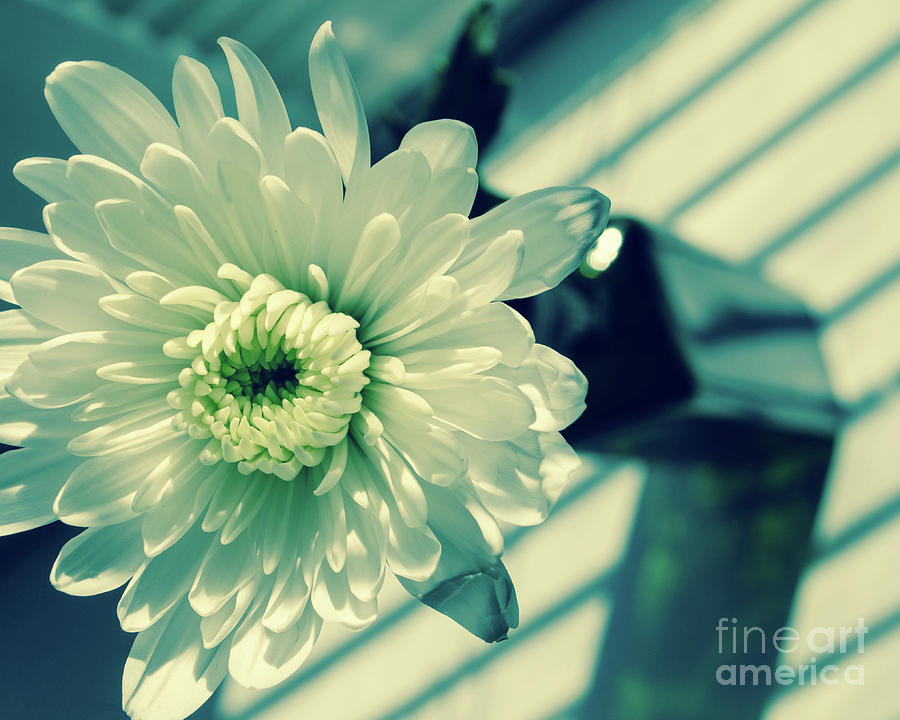
Art has long captured the beloved motif of flowers, and the melancholy flower has featured prominently in visual representations that seek to evoke introspection. Photographs and paintings of these somber blooms challenge audiences to see beyond the typical floral iconography. They capture moments of quietude—the droop of a petal, the subtle interplay of shadow and light, a composition that mimics a minor chord’s emotional resonance.
This artistic embrace of floral melancholy pushes viewers to confront emotions that are often sidelined in the spectacle of natural beauty. It invites a dialogue on vulnerability, imperfection, and the tacit stories that each flower may carry. These portrayals often blur the boundary between nature and human emotion, creating a shared space where sadness can bloom as vividly as joy.
Practical Challenge: Embracing the Minor Key in Floral Design
Can florists and designers shift conventional paradigms to incorporate the subtlety and emotional depth of melancholy into their arrangements? Floral artistry has often focused on vibrant dynamism and exuberance, but incorporating blooms with muted tones and thoughtful composition offers a new frontier. This challenge is both creative and conceptual—how to create ensembles that resonate with a sense of restrained elegance, a poetic sadness that speaks softly but profoundly.
Designing with melancholy flowers requires embracing imperfection and the natural cadence of decline. Such arrangements might favor asymmetry, gentle drooping stems, and a palette that leans toward dusk rather than dawn. The challenge lies not only in aesthetic choices but in communicating through flowers a narrative that values nuance over simplistic beauty. This approach expands the emotional range of floral design and invites recipients to experience flowers as complex symbols of human feeling.
Closing Thoughts: The Elegy of Bloom
The melancholy of the flower beckons us to reconsider how beauty and sadness coexist in nature and art. This floral pop in a minor key punctuates the symphony of life with a softer, more contemplative note—one that urges us to listen closely, to empathize with the quiet sorrows and subdued joys that flowers embody. Rather than shying away from these emotions, opening ourselves to them enriches our appreciation for the natural world and human expression alike.
In embracing the melancholy flower, we celebrate a fuller spectrum of emotion, acknowledging that even in sadness, there is a haunting beauty that elevates the soul. After all, what is a better reflection of life’s intricate dance than a bloom that whispers both joy and sorrow, inviting us to find meaning in every petal’s fleeting grace?


Leave a Comment