

In the realm of visual expression, 2026 has unfurled an enigmatic tapestry of surrealist transformations—a metamorphosis that transcends the mundane and beckons us into a world where reality warps, boundaries dissolve, and perception itself is questioned. This new wave of artistic evolution promises not just a shift in aesthetics but a profound alteration in how we perceive both the visual and conceptual landscapes of existence. As the surrealist ethos intertwines with the transformative power of the digital and imaginative realms, it ignites a renaissance of curiosity and philosophical inquiry. Welcome to a journey that redefines art’s potential in the 21st century: a metamorphosis where form and meaning are fluid, and the very fabric of reality invites reinterpretation.
The Genesis of Surrealist Transformations: Roots and Revival
Surrealism, born in the early 20th century as a rebellion against rationalism and conventional artistry, has perpetually thrived on the tumultuous interplay between dream and reality. The metamorphosis witnessed in 2026 draws meticulously from this rich heritage, yet it deviates in unprecedented ways. Artists now embrace digital mediums and AI-generated imagery, crafting scenes that echo M.C. Escher’s labyrinthine illusions and metamorphic architectures. This revival is no mere nostalgia; it is a radical rejuvenation, blending classic motifs with cutting-edge technology to deliver visions that are as intellectually provocative as they are visually stunning.
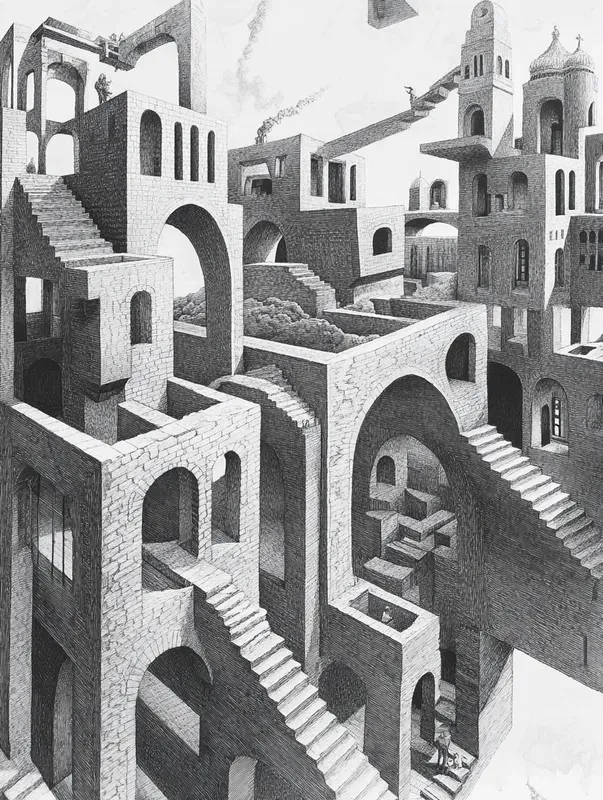
Here, the digital canvas becomes a portal where the mind’s eye can unfurl its wildest imaginings, converging paradoxes into a single frame, where creatures morph seamlessly into landscapes, and time contorts in tessellated loops.
Fluidity of Form: Artistic Expression and Conceptual Alchemy
One of the defining characteristics of the 2026 metamorphosis is the radical fluidity with which form and identity are treated. No longer confined by static representations, artworks engage in a continuous dialogue with the observer—beckoning, shifting, and evolving with each gaze. The transformation is not simply a visual trick; it is an alchemical process that transmutes internal symbolism into external manifestation. Boundaries between subject and object blur. Human figures dissolve into mechanical forms. Natural elements entwine with abstract geometries, cultivating a dreamscape where ontological questions proliferate.

This conceptual alchemy offers a lexicon of transformation that invites viewers to reconsider the nature of existence itself, encouraging a metamorphosis of understanding rather than merely perception.
The Digital Renaissance: Technology as Catalyst
The resurgence of surrealist transformations is inseparable from the exponential growth of digital art tools, generative adversarial networks, and AI-based creative systems. These technologies function as both brush and collaborator, enabling an unprecedented depth and complexity in the art produced. The power to iterate endlessly, distort reality, and synthesize incongruent elements into harmonious compositions has unleashed a creative renaissance.
Unlike prior eras where the limits of medium defined the horizon, today’s creators harness algorithms that mimic cognitive processes, generating surreal narratives dynamically. This democratization of technology has also emboldened a global community of artists, each pushing the envelope of what metamorphosis can signify—creating symphonies of visual paradoxes that defy easy classification.
Psyche and Perception: The Philosophy Embedded in Transformation
At its core, this metamorphosis probes deeply into human psychology and philosophy. Surrealist art has always been a conduit for subconscious expression, a map tracing the labyrinthine corridors of mind and memory. The 2026 transformations intensify this introspective journey, weaving symbols that reference personal identity, collective memory, and existential ambiguity.
Such artworks function as mirrors and windows simultaneously. They reveal hidden facets of the self while opening vistas into alternative realities and possible futures. This duality piques curiosity, prompting reflection on how much of what we perceive is anchored in reality—versus how much is a construct of the mind’s infinite potential for reinvention.
Engagement and Experience: Audience as Co-Creator
Unlike traditional art that asks for passive viewing, surrealist metamorphoses of 2026 invite active engagement. Interactive galleries, augmented reality installations, and virtual experiences immerse audiences within shape-shifting environments. Here, perception is not a singular, fixed encounter but a dynamic, evolving dialogue.
This participatory element is instrumental in fostering a metamorphosis not only of the artwork but of the observer’s consciousness. Each viewer brings personal history, emotions, and interpretations to the experience, completing the creative cycle. The art becomes a living organism, continuously informed and reshaped by collective interaction.
A Promise of New Horizons: The Future of Metamorphosis
What does the future hold for this burgeoning artistic phenomenon? The metamorphosis unfolding now hints at a horizon brimming with possibility. It promises to dismantle entrenched conventions and to unleash creativity that transcends disciplinary boundaries: where technology, psychology, philosophy, and art coalesce.
As surrealist transformations continue to evolve, they will undoubtedly challenge our perceptual frameworks, inspiring new ways of thinking and being. The promise lies not just in innovation but in the profound expansion of human consciousness—encouraging a metamorphosis not merely of visual form but of worldview itself.
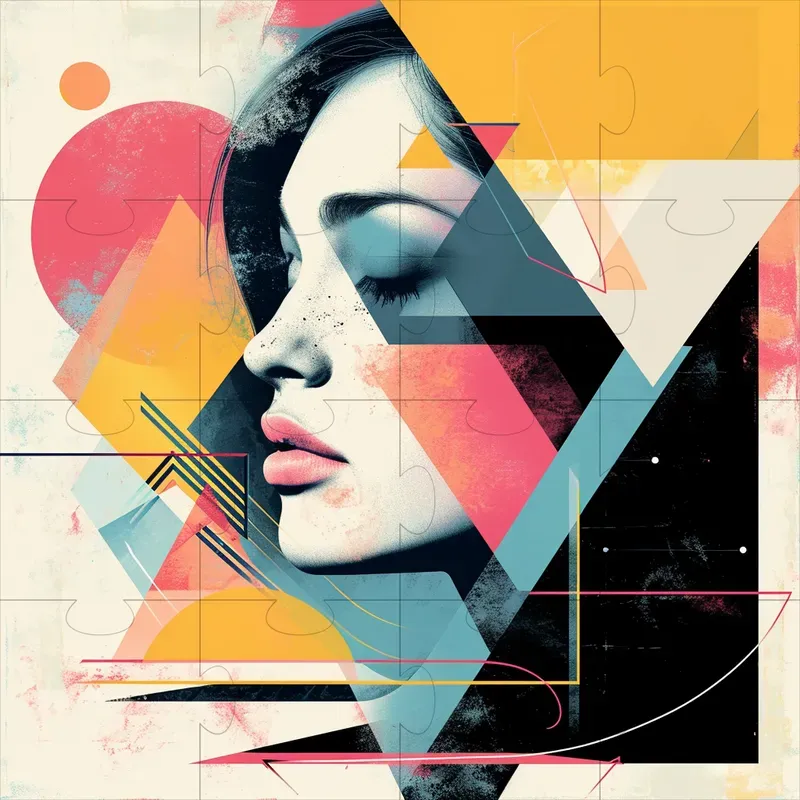
This transformative journey into the surreal reshapes not only the art we create but also the way we interpret and inhabit the spaces within and around us.
In embracing the metamorphosis of surrealist transformations in 2026, we embark upon an odyssey of heightened awareness and unbounded curiosity—a voyage that celebrates the mysteries of form and meaning, promising to alter forever the landscape of imagination and perception.


Leave a Comment