

The Middle East’s artistic pulse beats with a rhythm all its own—a symphony of tradition and innovation, where ancient motifs dance with avant-garde experimentation. From the bustling galleries of Dubai to the storied halls of London’s Frieze, the region’s art scene is a kaleidoscope of cultural narratives, each piece a brushstroke in a larger masterpiece. Whether you’re a seasoned collector, a curious newcomer, or an armchair enthusiast, the Middle Eastern art hub offers a feast for the senses, a labyrinth of styles that defy easy categorization. Here, art isn’t just seen; it’s felt, debated, and lived. Let’s embark on a journey through this dynamic landscape, exploring the diverse content that defines it.
The Canvas of History: Traditional Motifs Reimagined
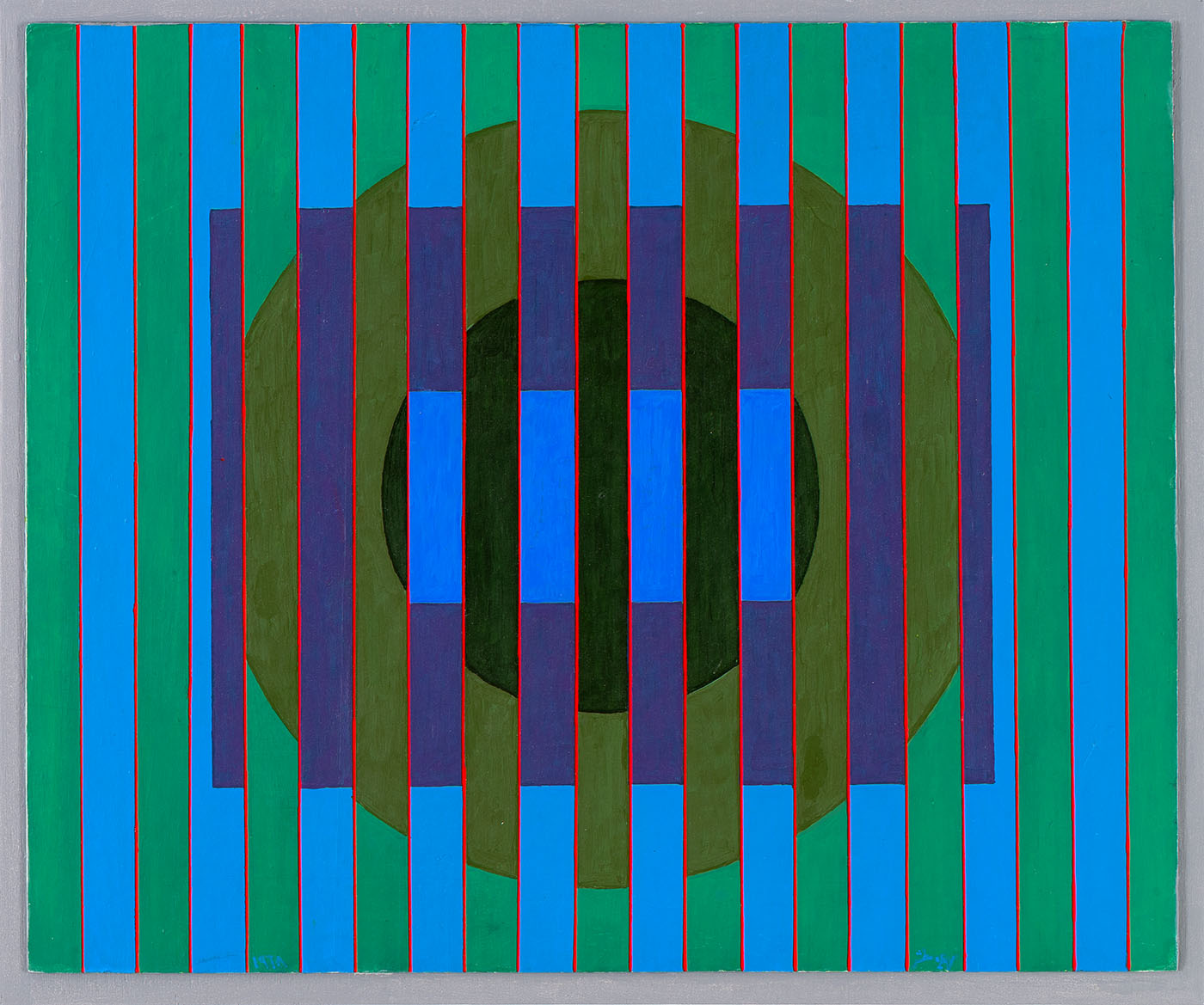
At the heart of Middle Eastern art lies a deep reverence for heritage, where geometric patterns, calligraphic flourishes, and symbolic motifs serve as the foundation for contemporary expression. Artists across the region are not merely preserving these traditions—they are reinventing them, infusing centuries-old techniques with modern urgency. Take, for instance, the resurgence of Islamic calligraphy in digital art, where artists like Mehdi Moutashar blend sacred script with abstract forms, creating works that feel both timeless and urgently contemporary. These pieces often explore themes of identity, displacement, and faith, using the written word as both a visual and philosophical anchor.
Beyond calligraphy, traditional crafts such as zellige (mosaic tilework) and arabesque patterns are being recontextualized in sculpture and installation art. Artists are experimenting with unconventional materials—recycled metals, neon lights, even augmented reality—to challenge perceptions of what constitutes “authentic” Middle Eastern art. The result? A vibrant dialogue between past and present, where a single piece might whisper tales of the Silk Road while shouting defiance against cultural erasure.
Frieze London: The Global Stage for Middle Eastern Voices
Every October, London’s Frieze Art Fair transforms into a nexus of global creativity, and the Middle East’s presence is impossible to ignore. Here, galleries from Beirut to Dubai showcase works that push boundaries, from hyper-realistic portraits that dissect societal norms to immersive installations that envelop the viewer in sensory overload. The fair isn’t just a marketplace; it’s a battleground where artists from the region assert their place in the global art canon.
One standout trend is the rise of conceptual storytelling—artists using their work to narrate untold histories or critique political landscapes. For example, a series of photographs might juxtapose archival images of the Ottoman Empire with modern-day urban decay, forcing viewers to confront the cyclical nature of power and decay. Meanwhile, performance art takes center stage, with artists like Anne Fellner using their bodies as mediums to explore themes of gender, migration, and belonging. Her work, often described as “deliberately unsettling,” challenges audiences to sit with discomfort, to question their own complicity in systems of oppression.
Frieze also serves as a platform for emerging voices, where young artists debut projects that blend digital art with traditional storytelling. Virtual reality experiences transport viewers into the heart of a bustling souk or the ruins of Palmyra, while AI-generated artworks comment on the region’s fraught relationship with technology and surveillance. The fair’s eclectic mix ensures that no two visitors leave with the same takeaway—unless, of course, they’re all left pondering the same haunting question: What does it mean to belong?
Digital Frontiers: The Rise of Virtual Galleries and NFTs
The Middle East’s art scene isn’t confined to brick-and-mortar spaces. In the wake of the pandemic, digital platforms have become vital arteries for artistic dissemination, and the region has embraced this shift with characteristic boldness. Virtual galleries, accessible via VR headsets or simple web browsers, offer a democratized space where artists from Gaza to Riyadh can exhibit without the constraints of geography or censorship. These platforms often feature interactive elements—click on a painting to hear the artist’s voiceover, or step into a 3D recreation of a historic marketplace to understand the cultural context behind a piece.
NFTs (non-fungible tokens) have also carved out a niche, though not without controversy. Some artists use blockchain technology to reclaim control over their work, selling digital pieces that come with provenance records tracing back to ancient trade routes. Others critique the NFT boom as a capitalist fever dream, highlighting how digital art can still perpetuate exclusivity. Yet even in these debates, the Middle East’s digital art scene thrives, with collectives like Arab NFT curating exhibitions that spotlight underrepresented voices. Here, art becomes a conversation—one that spans continents and currencies.
Art as Activism: The Unflinching Gaze
Perhaps no other region demands so much from its art as the Middle East, where creativity is often a form of resistance. Artists here don’t just create; they bear witness. They document wars, celebrate resilience, and expose the cracks in societal facades. In Gaza, muralists transform bombed-out walls into canvases, their murals a defiant middle finger to erasure. In Tehran, underground galleries host exhibitions where women artists display forbidden works under the noses of morality police. And in Beirut, after the catastrophic port explosion of 2020, artists turned debris into sculptures, turning tragedy into a statement on collective grief.
This activist spirit extends to the diaspora as well. Exiled artists use their work to bridge gaps between homelands and adopted countries, creating pieces that explore dual identities. A Syrian artist in Berlin might juxtapose images of Damascus’s pre-war streets with the cold, gray avenues of their new city, while a Palestinian-Jordanian painter layers maps of refugee camps with abstract splashes of color, symbolizing the fluidity of borders. These works aren’t just art; they’re acts of defiance, reminders that creativity can be a tool for survival.
Collecting with Conscience: The Ethical Art Buyer’s Guide
For those looking to engage with Middle Eastern art, the journey doesn’t end with appreciation—it extends to acquisition. But collecting in this space requires more than just an eye for beauty; it demands ethical awareness. The art market here is rife with challenges, from the looting of antiquities to the exploitation of emerging artists by commercial galleries. Savvy collectors ask questions: Where did this piece originate? Who benefits from its sale? Is the artist fairly compensated? Supporting grassroots initiatives, such as artist-run spaces in Amman or Cairo, can ensure that your purchase fuels local ecosystems rather than lining the pockets of distant middlemen.
Another consideration is provenance. With the rise of forgeries and misattributed works, especially in traditional crafts, collectors should seek out galleries with transparent histories. Some institutions, like Dubai’s Alserkal Avenue, prioritize documentation and artist relationships, offering a safer bet for those new to the scene. Meanwhile, attending art fairs with a focus on the Global South—such as Art Dubai—can provide direct access to artists and their stories, fostering a more meaningful connection to the work.
The Future Unfolds: What’s Next for Middle Eastern Art?
The Middle East’s art scene is a living organism, constantly evolving, constantly surprising. What’s on the horizon? Expect to see more collaborations between artists and scientists, particularly in fields like bio-art, where living organisms become part of the creative process. Climate change is also inspiring new movements, with artists using their work to highlight water scarcity in the Gulf or the melting glaciers of the Hindu Kush. And as augmented reality becomes more accessible, we may see entire exhibitions that exist only in the digital realm, accessible to anyone with a smartphone.
One thing is certain: the Middle East’s art hub will continue to defy expectations. It won’t be pigeonholed as “exotic” or “political”—it will simply be art, in all its messy, glorious complexity. For those willing to dive in, the rewards are boundless: a chance to witness history being made, one brushstroke at a time.
The Middle East’s artistic landscape is a testament to the power of creativity to transcend borders, to challenge, to heal, and to inspire. Whether you’re drawn to the intricate calligraphy of a centuries-old manuscript or the raw, unfiltered energy of a street mural in Beirut, there’s a story waiting to be told—and a perspective waiting to be heard. So go ahead, let your curiosity guide you. The canvas is vast, and the brushstrokes are yours to discover.


Leave a Comment