

Like a rare gem unveiled from the heart of the desert, the inaugural Art Basel Qatar blossomed in February 2026, enchanting the global art landscape with its radiant allure. This edition was not merely an art fair; it was a meticulously crafted symphony of culture, creativity, and cutting-edge expression nestled in the vibrant city of Doha. The Miniature Art Basel Qatar Recap seeks to transport you through this grand artistic odyssey — a voyage where tradition meets innovation, and where passion etches itself onto every canvas and sculpture.
An Oasis of Artistic Brilliance: The Venue as a Cultural Nexus
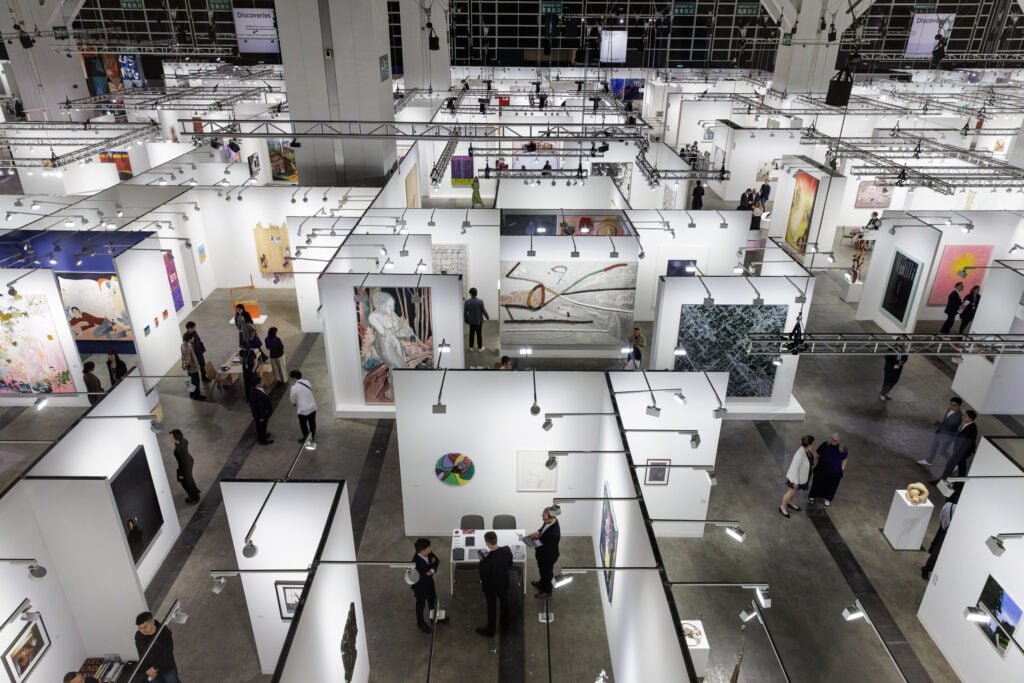
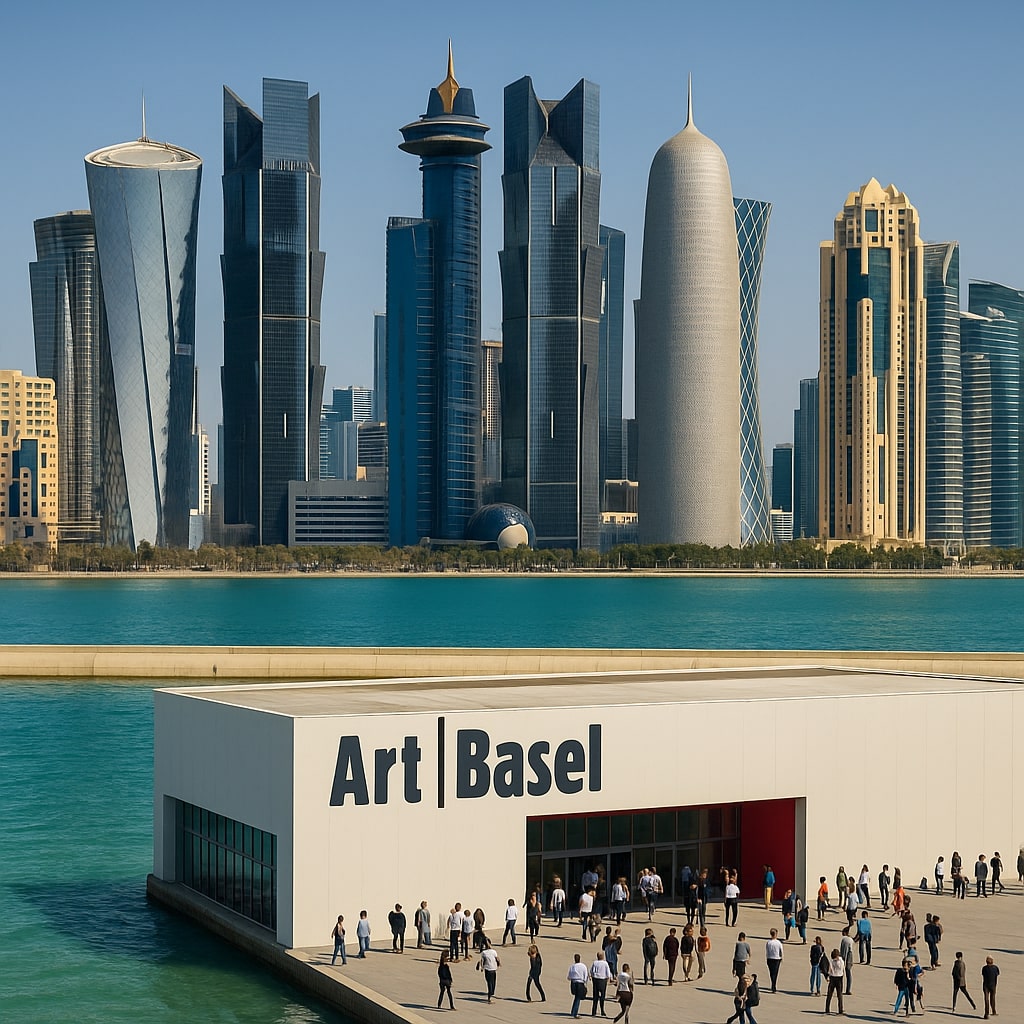
The venue itself unfolded like an oasis in the arid expanse of the Middle East, blending architectural marvel with cultural resonance. Set against the backdrop of Doha’s futuristic skyline, the fairground emerged as a sanctuary for artistic dialogue. The spatial design fostered an intimate yet expansive atmosphere, perfect for discovery and reflection. Each hall felt like a room in a sprawling palace of creativity, inviting visitors to traverse diverse artistic terrains — from contemporary installations to avant-garde digital showcases.
Curatorial Brilliance: 87 Exhibitors, Infinite Stories
Every art fair is a constellation of voices, but Art Basel Qatar’s inaugural constellation shimmered uniquely with 87 exhibitors representing a kaleidoscope of global perspectives. These weren’t just galleries; they were custodians of narrative, conduits of innovation, and arbiters of cultural exchange. From emerging Middle Eastern artists whose works pulse with local heritage reimagined, to acclaimed international names pushing the boundaries of form and content, the lineup was meticulously curated to reflect the complex tapestry of today’s artistic zeitgeist.
Visitors traversed through rooms bespoke with both the delicate fragility of miniature sculptures and the imposing presence of large-scale installations. This contrast heightened the sensory experience, evoking a dialogue between intimacy and grandeur, tradition and futurism. Each exhibitor contributed a unique thread to this grand fabric of creative expression, weaving stories that resonated with universal themes — identity, transformation, memory, and hope.
A Tapestry of Mediums and Messages
One of the most captivating facets of the fair was its embrace of eclectic mediums. The event extended beyond the canvas, inviting digital art, immersive environments, mixed-media sculptures, and even AI-generated works to share the stage. This hybrid approach mirrored the multifaceted reality of contemporary art, where technology and tradition entwine to forge new visual languages.
Particularly striking were the interactive digital installations that beckoned viewers to become participants, fracturing the traditional passive consumption of art. These pieces acted as mirrors reflecting society’s evolving relationship with technology, inviting contemplation on our collective future.
Spotlight on Doha: The City as Canvas
Doha’s emergence as a flourishing cultural hub lent the fair an extra layer of profundity. This wasn’t merely a backdrop; the city was a canvas itself, steeped in rich history and poised on the cusp of innovation. The artistic pulse of Doha catalyzed an electric synergy, anchoring Art Basel Qatar within a locale resplendent with tradition yet bursting toward the future.
Through thoughtfully organized public programs, panel discussions, and site-specific installations across Doha, visitors were invited to explore the confluence of art and urbanity. The fair became a catalyst for dialogue not only within the walls of the event but spilling into the vibrant streets, weaving art into the social tapestry of the city.
A Cultural Bridge: Connecting Continents and Communities
Art Basel Qatar transcended its geographical setting to become a cultural bridge, linking the artistic heritages of East and West, North and South. The fair’s selection of exhibitors and artists encapsulated a cosmopolitan discourse, highlighting the interconnectedness of global artistic flows. It was a celebration of diversity manifested through brush strokes, sculptures, and pixels alike.
This bridging effect enriched visitors’ experiences, encouraging a nuanced understanding of identity and heritage beyond borders. Through this, Art Basel Qatar positioned itself not just as a fair but as a catalyst for empathy and cultural diplomacy.

Beyond the Fair: The Resonance of Art Basel Qatar
The impact of the fair extended beyond its physical duration, leaving an indelible imprint on Qatar’s cultural landscape and the global art community. The dialogues ignited during the event continue to reverberate, sparking collaborations, acquisitions, and new artistic ventures. Collectors left with treasures deeply rooted in vibrant narratives; artists found new platforms; and the city of Doha further cemented its stature as a nexus of creative energy.
In this sense, Art Basel Qatar is less a transient spectacle and more an evolving beacon — a lighthouse guiding the course of contemporary art in the Middle East and beyond. It signals a commitment to nurturing artistic evolution and positioning Qatar as a vital player on the world stage.
Conclusion: A Prelude to Future Artistic Epics
The Miniature Art Basel Qatar was not just a fair; it was an immersive experience, a cultural odyssey, and a nexus where past, present, and future intersected in vibrant harmony. It signaled the dawn of a new chapter in the art world—one characterized by bold experiments, cultural convergence, and unwavering passion.
As the lights dimmed on its debut, the echoes of Art Basel Qatar continue to inspire, inviting us to look forward with anticipation to the next chapters yet to be written. This miniature marvel redefined the art fair paradigm, weaving together tales that will enrich the global cultural mosaic for years to come.


Leave a Comment