

In the labyrinth of mindfulness practices, meditation objects serve as luminous beacons, guiding the wandering mind toward stillness and clarity. Among these cherished tools, the miniature object emerges not merely as a quaint artifact but as a profound catalyst for introspection and focused awareness. These diminutive forms, though small in stature, encapsulate boundless potential—a tangible nexus where art, spirituality, and concentration converge.
The Enigmatic Allure of Miniature Meditation Objects
Miniature meditation objects possess an almost mystical quality. Their scaled-down proportions demand a level of attentive observation that fosters a meditative state naturally, inspiring the observer to slow down and engage deeply. Unlike other meditation aids, miniatures invite active exploration; their intricate details reward patience and invite an intimate connection between object and contemplator.
For centuries, artisans have crafted miniatures not only for aesthetic pleasure but as spiritual tools. These objects often symbolize sacred concepts, embodying elements of Buddhist or Eastern philosophies, nature, or historical narratives. Their compactness makes them ideal companions for personal altars or quiet corners, places where the ebb and flow of thoughts can find serene refuge.
Types of Miniature Meditation Objects and Their Unique Significance
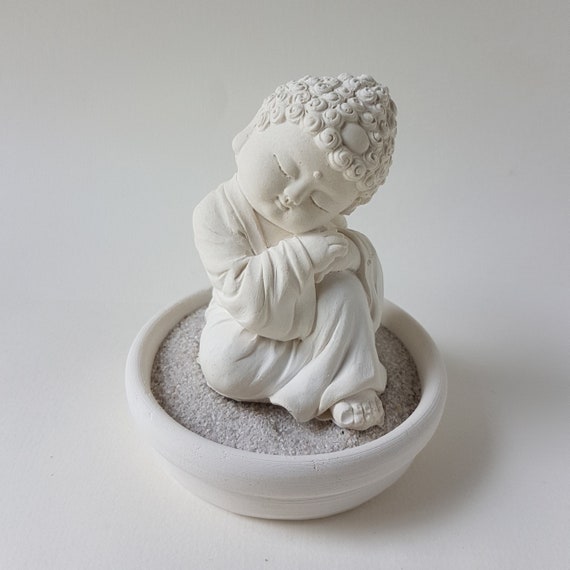
From detailed figurines to sacred tokens, the variety of miniatures used in meditation reflects diverse traditions and personal inclinations. Many practitioners gravitate toward miniature monks or sages—symbols that evoke discipline, wisdom, and spiritual awakening. Their serene postures offer silent encouragement to embrace stillness and patience amidst modern-day distractions.
Conversely, naturalistic miniatures—such as tiny stones, crystals, or representations of lotus flowers—connect the meditator to elements of the natural world. The tactile sensation of holding a smooth stone or the visual purity of a delicate lotus sculpture fosters grounding, aiding in centering the mind.
In addition, some practitioners employ miniature mandalas or symbolic geometric shapes as focal points. The complexity packed within a small frame challenges the observer to trace patterns mentally, enhancing concentration and mindfulness with each cycle of breath.

The Role of Miniatures in Cultivating Mindfulness and Presence
The use of a miniature in meditation operates on multiple sensory levels. Visually, the small scale commands detailed attention. The eyes are coaxed to slow their habitual scanning, settling instead on form, color, and texture. Such focused gazing quiets the mental chatter that often fragments attention.
On a tactile level, if the miniature is held or gently manipulated, the sensations offer another anchor for awareness. The contours, temperature, and weight of the object function as tangible reminders anchored in the present moment. This kinesthetic engagement strengthens neural pathways that cultivate presence and diminish distractibility.
Moreover, miniatures often carry symbolic weight—each element, position, or color potentially a mantra in miniature form. The symbolism invites silent reflection, engaging the intuitive faculties of the mind to interpret and internalize meaning. This multilayered engagement nurtures a holistic form of meditation that transcends mere idle observation.
Integrating Miniature Meditation Objects into Personal Practice
Incorporating miniature meditation objects into a daily or weekly practice is both accessible and adaptable. Beginners can start simple, selecting a small object that naturally resonates—a tiny figurine, a precious keepsake, or even a uniquely shaped pebble.
Setting intentional space for this practice enhances its efficacy. Create a small altar or dedicated shelf where the miniature can reside, free from distractions but easily accessible. Prior to meditation, engaging in a brief ritual—such as lighting a candle or incense—can heighten the sense of reverence and prepare the mind for deepening attention.
During meditation, the miniature assumes the role of a steadfast companion. Whether used as the central focus or as a subtle reminder placed in the periphery, it anchors the mind’s wandering tendencies. Over time, a powerful rapport develops between practitioner and object, each meditation session deepening this quiet, shared understanding.

The Historical and Cultural Resonance of Miniature Meditation Objects
The heritage of miniature objects spans many cultures and epochs, echoing a universal human impulse to encapsulate profound meaning within small-scale forms. In medieval art, miniatures often adorned manuscripts and altarpieces, serving as focal points for prayer and contemplation. Their craftsmanship reflected devotion and were crafted with painstaking precision, exemplifying the marriage of artistic skill and spiritual intent.
Eastern traditions, particularly within Buddhist monastic life, have long utilized miniature statues and objects as meditation aids. These serve not merely as decorative items but as tangible manifestations of teachings, reminding practitioners of enlightenment, impermanence, and compassion.
Modern adaptations of this ancient practice continue to thrive, speaking to a perennial need for tactile, visual, and symbolic anchors amid the ephemeral distractions of contemporary life. The miniature thus offers a timeless portal—a spatial compression of wisdom and focus that invites inward journeys toward mindfulness and transcendence.
Conclusion: Embracing the Power of the Small
The miniature as a meditation object is a sublime paradox: small in physical presence yet vast in spiritual potential. It embodies a meticulous invitation to slow down, delve deeper, and emerge with clarity. Whether ornate or simple, symbolic or representational, these tiny talismans hold the capacity to transform fleeting moments into meaningful meditation.
By incorporating miniatures into mindfulness practice, one cultivates not just concentration but also reverence for detail and an appreciation for the subtle interplay between form and meaning. In doing so, the miniature transcends its diminutive size, becoming a profound conduit for tranquility and insight. Embrace the miniature, and discover the transformative depth that lies in the subtle and small.


Leave a Comment