

The world feels like a storm-tossed sea these days, where economic uncertainty and inflationary tides erode purchasing power with relentless force. Amid this turbulence, a quiet sanctuary emerges—not in the form of a bank or a government policy, but in the miniature world of collectibles, board games, and 3D-printable art. This is the realm of the Miniature Market, a digital bazaar where enthusiasts, hobbyists, and creators converge to find solace, creativity, and value in a time of chaos. Here, every purchase is not just a transaction; it’s an act of defiance against the erosion of stability. It’s a place where imagination thrives, where the tactile joy of holding a finely sculpted miniature or the strategic depth of a board game can momentarily eclipse the weight of global financial anxiety.
But what exactly makes this market so resilient, so vital in times like these? It’s not just about affordability—though that’s certainly a factor. It’s about the sense of control, the ability to curate a personal universe where value is defined not by fluctuating currency, but by passion and purpose. Whether you’re a seasoned collector, a tabletop tactician, or a 3D printing pioneer, the Miniature Market offers a diverse ecosystem of content that caters to every imaginable taste and need. Let’s explore the rich tapestry of offerings that define this thriving community.
The Allure of Collectible Miniatures: Art in the Palm of Your Hand
There’s something almost alchemical about holding a miniature in your palm—a tiny warrior frozen mid-battle, a mythical beast poised to strike, or a historical figure captured in meticulous detail. These aren’t just toys; they’re miniature sculptures, each telling a story through its posture, expression, and craftsmanship. In an era where digital experiences dominate, the tactile satisfaction of a well-cast figure is a rare luxury. The Miniature Market curates an extensive selection of these diminutive masterpieces, ranging from fantasy realms populated by elves and dragons to historical dioramas that bring pivotal moments to life.
What makes collectible miniatures particularly compelling in today’s economy is their dual nature as both art and investment. While traditional markets reel under inflationary pressures, the value of limited-edition miniatures often appreciates over time, especially when tied to popular franchises or produced by renowned artists. Collectors aren’t just buying objects; they’re acquiring pieces of culture, tangible fragments of stories they love. The emotional resonance of a miniature—its ability to evoke nostalgia, excitement, or wonder—creates a bond that transcends mere monetary worth. In a world where trust in institutions wanes, the reliability of a beautifully crafted miniature endures.
Moreover, the Miniature Market fosters a sense of community among collectors. Online forums, social media groups, and local gaming clubs buzz with discussions about new releases, painting techniques, and display strategies. This camaraderie transforms solitary hobbies into shared experiences, offering not just products but belonging—a vital antidote to the isolation that often accompanies economic hardship.

Board Games: Strategy as a Sanctuary from Chaos
When the real world feels unpredictable, stepping into a board game is like entering a controlled universe where rules govern outcomes, and every move has consequence. The Miniature Market has become a haven for board game enthusiasts, offering a curated selection of titles that blend strategy, storytelling, and social interaction. From complex war games that simulate historical battles to cooperative adventures where players unite against a common foe, these games provide an escape that is both engaging and mentally stimulating.
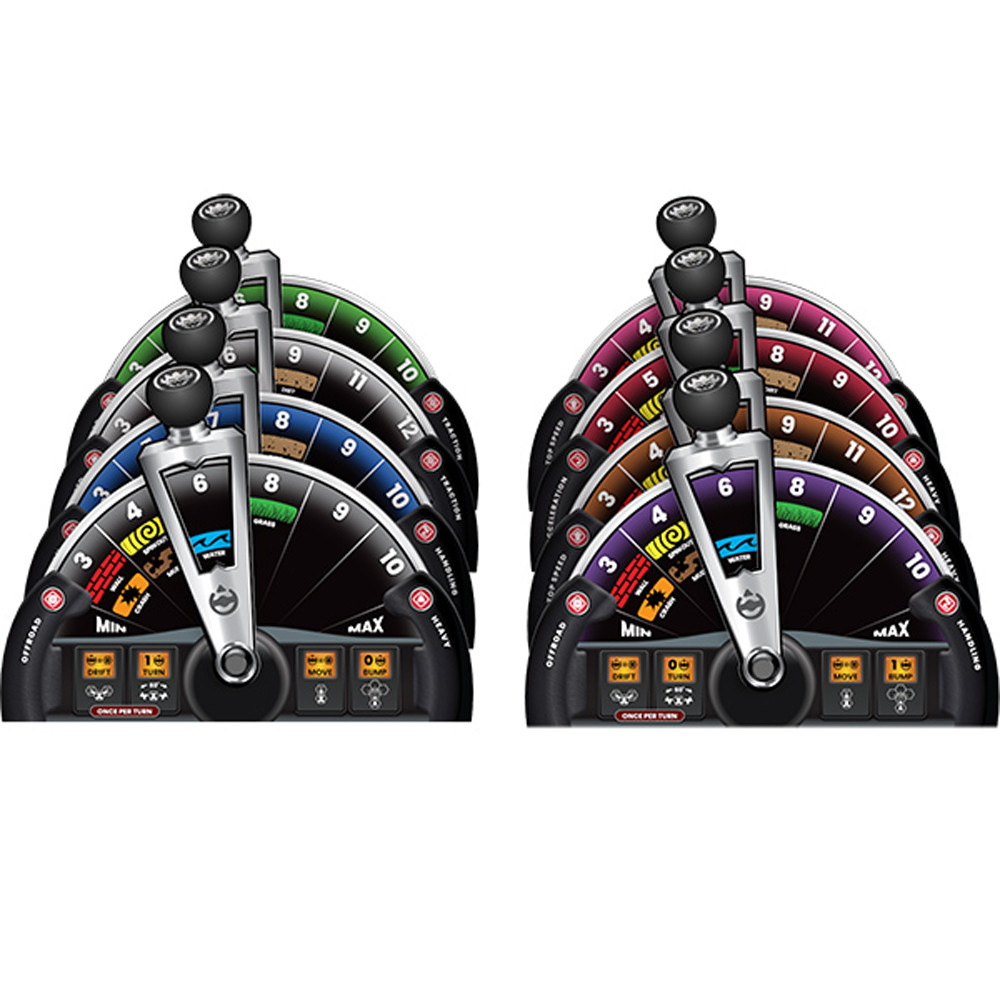
One of the most compelling aspects of modern board games is their ability to foster deep, meaningful connections. Unlike solitary digital entertainment, tabletop games demand face-to-face interaction, encouraging laughter, debate, and camaraderie. In times of economic uncertainty, these moments of shared joy become even more precious. Games like Dungeon Kart—a fast-paced, miniature-based racing adventure—offer not just entertainment but a ritual of connection, a way to reclaim agency in a world that often feels ungovernable.
The strategic depth of these games also serves as a mental workout, sharpening critical thinking and adaptability. In a landscape where financial markets swing wildly and job security feels fragile, the ability to plan, adapt, and outmaneuver opponents in a game can be a surprisingly empowering experience. It’s a reminder that even in chaos, there are systems we can understand and master.
Additionally, the Miniature Market’s focus on high-quality components—durable boards, finely detailed miniatures, and thoughtfully designed cards—ensures that these games are built to last. Unlike disposable entertainment, a well-made board game can be revisited time and again, offering consistent value and replayability. This durability aligns perfectly with the economic mindset of making thoughtful, long-term investments rather than chasing fleeting trends.
3D Printable Miniatures: The Democratization of Creativity
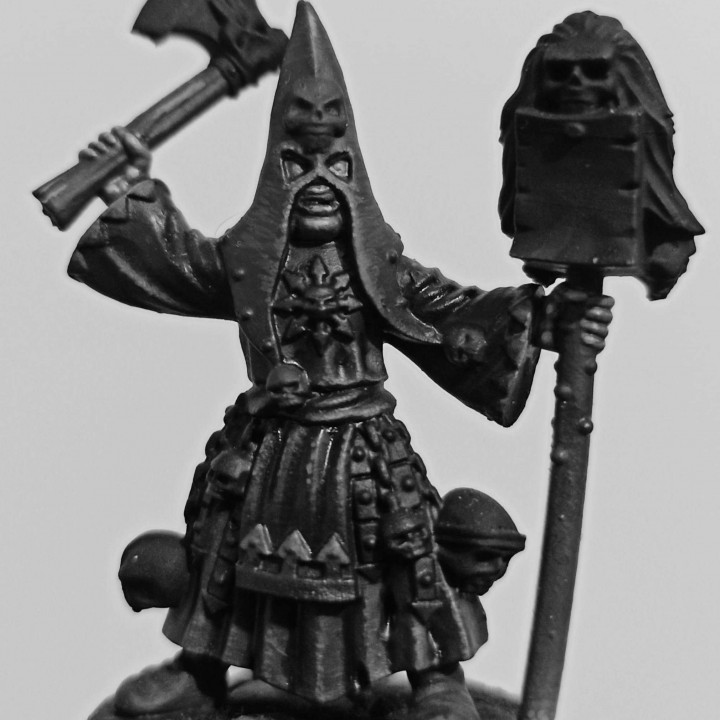
If collectible miniatures and board games represent the tangible heart of the Miniature Market, then 3D printable miniatures embody its innovative soul. This burgeoning segment of the market empowers creators to design, customize, and produce their own miniature figures, turning hobbyists into artisans. Platforms within the Miniature Market offer downloadable files for everything from sci-fi soldiers to whimsical creatures, allowing users to bring their visions to life with a 3D printer. The result? A limitless playground of creativity, where the only constraint is imagination.
The appeal of 3D printable miniatures extends far beyond mere customization. For many, it’s a cost-effective alternative to purchasing pre-made figures, especially when producing large armies or unique characters. The ability to print only what you need—when you need it—reduces waste and aligns with sustainable consumption practices. In an era of overproduction and environmental strain, this approach feels not just practical but principled.
Moreover, the 3D printing community within the Miniature Market is a hotbed of collaboration and innovation. Designers share their creations on open platforms, allowing others to modify and improve upon them. This culture of sharing fosters rapid advancement, with new tools and techniques emerging constantly. For aspiring artists, it’s an unparalleled opportunity to hone their skills, gain feedback, and build a portfolio—all while contributing to a collective creative endeavor.
The tactile and visual rewards of 3D printing are unparalleled. There’s a unique satisfaction in watching a figure emerge layer by layer from a printer, transforming from a digital file into a physical object you can hold. For those who crave control over their creative process, this medium offers a level of autonomy that few others can match. It’s a rebellion against mass-produced homogeneity, a celebration of individuality in a world that often demands conformity.
Community and Craftsmanship: The Invisible Threads Holding It All Together
Beneath the surface of transactions and product listings lies the true lifeblood of the Miniature Market: its community. This isn’t a faceless marketplace; it’s a vibrant ecosystem of artists, collectors, gamers, and makers who share a common passion. Online marketplaces, social media groups, and local gaming stores serve as gathering places where knowledge is exchanged, friendships are forged, and collaborations are born. In a world where digital interactions often feel hollow, the Miniature Market fosters connections that are deeply human.
The craftsmanship that defines this community is another cornerstone of its resilience. Whether it’s the painstaking detail of a hand-painted miniature, the precision of a 3D-printed figure, or the strategic depth of a board game, quality is paramount. This commitment to excellence ensures that every purchase feels like an investment—not just in a product, but in an experience. It’s a rejection of the disposable culture that dominates so much of modern commerce, a return to the idea that things should be made to last.
For many, participating in this community is a form of self-care. The act of painting a miniature, strategizing in a board game, or designing a 3D model can be meditative, a way to disconnect from the noise of the outside world. In times of stress, these creative outlets provide a necessary respite, a chance to recharge and refocus. The Miniature Market doesn’t just sell products; it sells moments of joy, of focus, of connection.
This sense of belonging is particularly vital in times of economic uncertainty. When traditional markers of stability—jobs, savings, housing—feel precarious, communities like this one offer a different kind of security. They provide a space where people can be themselves, where their passions are celebrated, and where they can find support from like-minded individuals. It’s a reminder that stability isn’t just about financial metrics; it’s about emotional and creative fulfillment.
The Future: A Market That Grows with Its Community
The Miniature Market isn’t static; it’s a living, evolving entity that adapts to the needs and desires of its community. As technology advances, so too do the possibilities within this space. Augmented reality integrations could allow collectors to visualize miniatures in their homes before purchasing. Virtual reality platforms might enable gamers to immerse themselves in tabletop battles like never before. The rise of NFTs and digital collectibles offers another layer of innovation, blending the physical and digital worlds in exciting new ways.
Yet, despite these advancements, the core of the Miniature Market remains unchanged: its commitment to creativity, community, and craftsmanship. In a world that often feels fragmented and uncertain, this market offers a rare sense of cohesion. It’s a place where art and commerce intersect, where passion and purpose align, and where every purchase feels meaningful. For those navigating the choppy waters of a chaotic economy, it’s more than just a sanctuary—it’s a lifeline.
So whether you’re a collector seeking the perfect miniature, a gamer searching for the next great strategy, or a creator eager to bring your visions to life, the Miniature Market stands ready to welcome you. Here, in this vibrant world of tiny wonders and grand ideas, you’ll find not just products, but purpose. And in a time when the world feels increasingly unstable, that might just be the most valuable treasure of all.


Leave a Comment