

In a world obsessed with success, where every product launch is hailed as revolutionary and every startup is a unicorn waiting to be born, there exists a quiet rebellion—a sanctuary for the misfits, the flops, and the outright disasters. Welcome to the Museum of Failure, a hallowed hall where the ghosts of innovation past whisper cautionary tales, where the most spectacular product blunders are immortalized not with shame, but with a grin. This isn’t just a collection of objects; it’s a mirror held up to human ambition, a reminder that progress isn’t a straight line but a zigzag of triumphs and tumbles. Step inside, if you dare, and prepare to have your perspective flipped on its head.
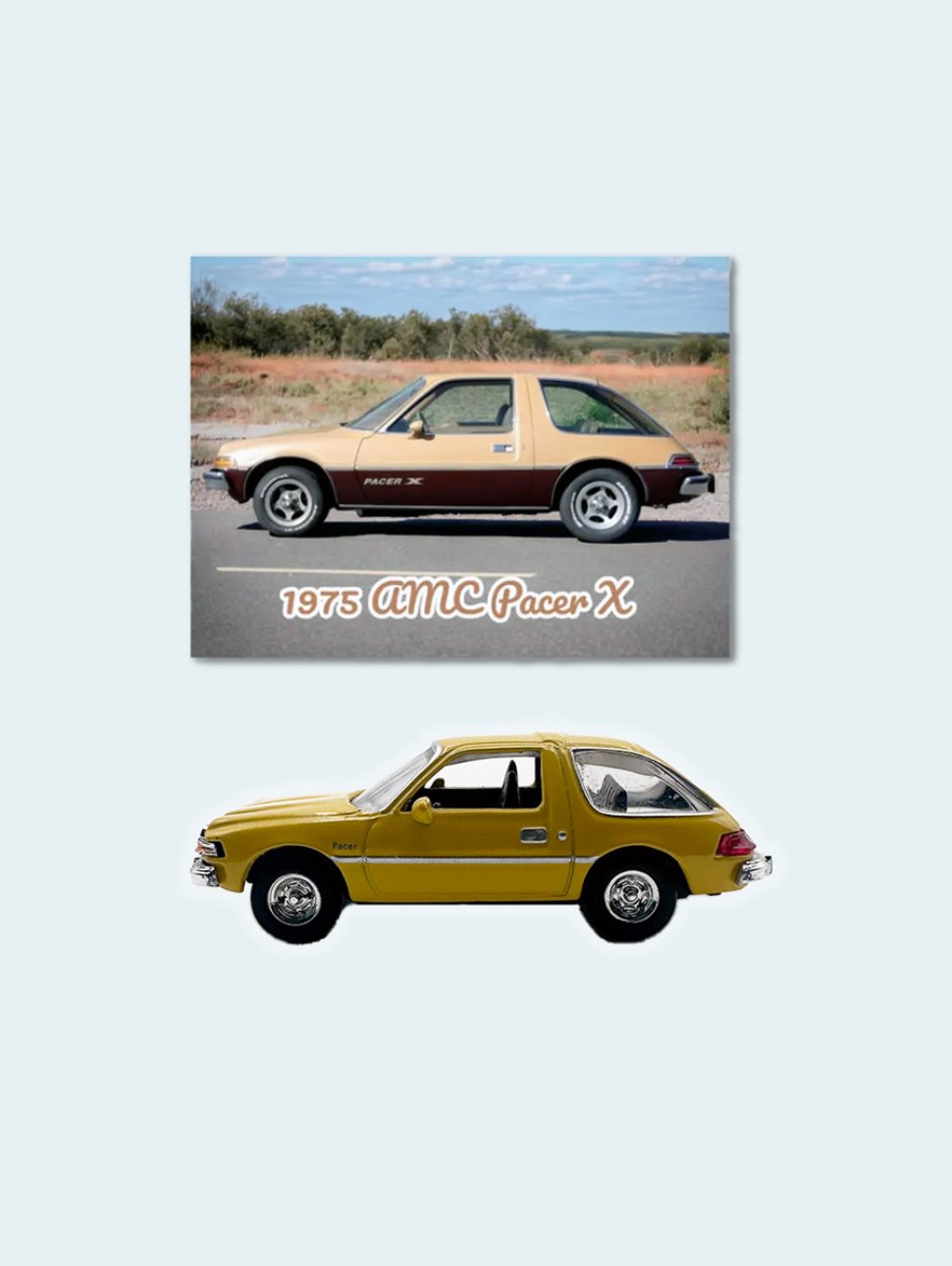
Imagine walking through aisles lined with products so flawed, so bafflingly bad, that they became legends in their own right. The AMC Pacer, affectionately dubbed the “Flying Fishbowl” for its panoramic windows and questionable aerodynamics. The Amazon Fire Phone, a device so ahead of its time it forgot to be useful. These aren’t just relics; they’re cautionary fables, each with a story to tell about the fine line between genius and folly. The Museum of Failure isn’t here to mock—it’s here to celebrate the messy, unpredictable journey of creation, where every failure is a stepping stone, not a stumbling block.
The Art of Celebrating Failure: Why We Need a Museum of It
In a society that worships winners and shuns losers, failure is often treated like a dirty secret—something to be buried, not displayed. But what if we flipped the script? What if failure wasn’t the end of the road, but a detour to something greater? The Museum of Failure does exactly that. It transforms embarrassment into enlightenment, turning cringe-worthy products into teachable moments. This isn’t about schadenfreude; it’s about demystifying the creative process. Every failed product is a lesson in disguise, a reminder that even the most brilliant minds stumble. By showcasing these missteps, the museum invites us to embrace our own failures, to see them not as dead ends but as part of the grand experiment of innovation.
Consider the psychological impact. Society conditions us to fear failure, to associate it with shame and inadequacy. But what if we redefined failure as a badge of courage? The Museum of Failure challenges us to see setbacks as inevitable, even necessary, for true progress. It’s a place where visitors can laugh at the absurdity of a product that cost millions to develop yet flopped spectacularly. It’s a place where curiosity thrives, where people ask, “What were they thinking?” and then realize, “Maybe they weren’t thinking at all.” This shift in perspective is liberating. It frees us from the paralyzing fear of making mistakes and encourages us to take bold risks, knowing that even the most spectacular failures can lead to unexpected insights.
The Anatomy of a Flop: What Makes a Product a Failure?
Not all failures are created equal. Some products fail because they’re poorly designed. Others flop because they’re ahead of their time. A few are doomed from the start by sheer incompetence. The Museum of Failure categorizes these blunders into fascinating archetypes, each revealing a different facet of human folly. There are the overambitious behemoths, products so complex they collapse under their own weight. There are the misunderstood geniuses, ideas so ahead of their era that the world wasn’t ready for them. And then there are the sheer absurdities, products so bafflingly bad they defy logic.
Take the New Coke, for instance—a product so disastrous it became a marketing legend. In 1985, Coca-Cola attempted to reinvent its flagship soda, only to discover that consumers didn’t want change. The backlash was swift and brutal. Within months, the company was forced to bring back the original formula, a humbling reminder that sometimes, the old ways are the best ways. Then there’s the Microsoft Zune, a music player so uninspired it couldn’t even compete with the iPod. It wasn’t just a product failure; it was a cultural one, a symbol of an era when Microsoft’s dominance was being challenged by more agile competitors.

The beauty of these failures lies in their diversity. Some are hilarious, like the Pepsi A.M., a morning soda that tasted suspiciously like cola mixed with cough syrup. Others are tragic, like the Segway, a revolutionary idea that never quite found its footing in the real world. Each failure tells a story, not just about the product itself, but about the era it came from, the culture that shaped it, and the people who dared to dream it into existence. By dissecting these stories, the Museum of Failure teaches us that failure isn’t a verdict—it’s a narrative.
The Ripple Effect: How Failures Shape Future Success
Failure isn’t just a dead end; it’s often the springboard for future success. Every product on display in the Museum of Failure carries a hidden lesson, a nugget of wisdom that future innovators can use to avoid the same pitfalls. The Apple Newton, for example, was a personal digital assistant so ahead of its time that it failed spectacularly in the 1990s. Yet, its DNA lived on in the iPhone, proving that even the most spectacular failures can plant the seeds for future triumphs.
This ripple effect isn’t limited to tech. The DeLorean DMC-12, immortalized as the time machine in Back to the Future, was a commercial disaster. Its stainless steel body and gull-wing doors made it a cult classic, but its reliability issues and poor performance ensured it never became a mainstream success. Yet, its legacy lives on, not just in pop culture, but in the way it inspired a generation of car enthusiasts to think outside the box. Failures like these remind us that even the most flawed ideas can leave a lasting impact, shaping industries and cultures in ways their creators never imagined.
Moreover, the Museum of Failure highlights how failure fosters resilience. Companies that survive their own blunders often emerge stronger, wiser, and more innovative. Take Nintendo, for instance. Before it became a gaming giant, it was a playing card company that nearly went bankrupt. Its early forays into electronic toys and arcade games were fraught with failures. Yet, these setbacks taught Nintendo the value of experimentation and adaptability, qualities that would later define its success in the gaming industry. The museum’s exhibits serve as a testament to the power of perseverance, showing that failure isn’t the opposite of success—it’s a part of it.
The Visitor Experience: A Journey Through Laughter and Reflection
Walking through the Museum of Failure isn’t just an educational experience; it’s an emotional one. Visitors are greeted by a curated collection of products, each accompanied by detailed explanations of their rise and fall. Interactive displays invite guests to touch, feel, and even try out some of the more bizarre items, turning passive observation into active engagement. There are audio recordings of interviews with the creators, behind-the-scenes footage of product launches, and even mock-ups of failed advertisements that never made it to air.
The museum’s layout is designed to evoke a sense of wonder and curiosity. Each exhibit is meticulously arranged to tell a story, from the initial hype surrounding a product to its inevitable demise. Visitors move through time, witnessing the evolution of consumer culture and the shifting tides of innovation. There are moments of laughter, as guests marvel at the sheer audacity of a product like the Hoveround, a motorized wheelchair that looked like it belonged in a sci-fi movie. There are moments of reflection, as visitors contemplate the human cost of failure—the jobs lost, the dreams shattered, the companies that never recovered. And there are moments of inspiration, as guests leave with a renewed sense of possibility, ready to embrace their own failures as stepping stones to greatness.

Beyond the Museum: Embracing Failure in Your Own Life
The lessons of the Museum of Failure aren’t confined to its walls. They extend into our daily lives, challenging us to rethink our relationship with failure. In a world that often equates success with perfection, the museum serves as a powerful reminder that mistakes are not just inevitable—they’re essential. Whether you’re an entrepreneur launching a startup, an artist chasing a dream, or simply someone navigating the ups and downs of life, the museum’s message is clear: failure isn’t the end of the road. It’s a detour, a lesson, a chance to grow.
So, how can we apply this mindset to our own lives? Start by reframing failure as feedback. Instead of seeing a setback as a reflection of your worth, view it as a data point, a piece of information that can guide your next move. Embrace experimentation, knowing that not every idea will work out—but every idea will teach you something. Surround yourself with people who celebrate your failures as much as your successes, creating a culture where risk-taking is encouraged rather than feared. And most importantly, remember that the most successful people aren’t those who never fail—they’re the ones who fail the most, learn the fastest, and keep going.
The Museum of Failure isn’t just a place to gawk at the missteps of the past. It’s a call to action, an invitation to adopt a new way of thinking. It challenges us to see failure not as a stigma, but as a badge of honor—a testament to our courage, our creativity, and our willingness to take risks. So, the next time you find yourself hesitating before taking a leap, remember the exhibits in this museum. Remember that every failure is a story waiting to be told, every setback a stepping stone to something greater. The world needs more risk-takers, more dreamers, more people willing to embrace the messy, unpredictable journey of creation. Are you ready to join them?
As you step out of the Museum of Failure, take a moment to look at the world around you with fresh eyes. The next great innovation might be hiding in plain sight, disguised as a failure waiting to happen. And when it does, remember: it’s not the end. It’s just the beginning.


Leave a Comment