

Have you ever stared at a blank page, your mind brimming with a brilliant Netflix-worthy idea—only to watch it dissolve into a puddle of vague, meandering sentences the moment you try to condense it into a single logline? You’re not alone. The art of the logline is a high-stakes game of precision, where one misplaced word can turn a gripping premise into a forgettable blur. Netflix, the streaming behemoth that has reshaped entertainment, doesn’t just want your idea—it wants it sharp, snappy, and sellable in 26 words or less. Welcome to the Netflix Logline Test, a gauntlet that separates the dreamers from the doers.
Imagine pitching your magnum opus to a room full of executives who’ve heard a thousand half-baked concepts. Their eyes glaze over. Their fingers tap impatiently on the table. The clock ticks. And then—disaster. Your idea, once so vivid in your mind, now sounds like a lukewarm bowl of oatmeal. The Netflix Logline Test isn’t just a formality; it’s a crucible. It forces you to distill the essence of your story into a single, electrifying sentence. Fail, and your project risks being filed under “meh.” Succeed, and you’ve just unlocked the door to the streaming giant’s inner sanctum. So, how do you ace this test? Let’s dive in.
The 26-Word Gauntlet: Why Less Is More (and More Is a Mess)
At first glance, 26 words seem generous—until you realize that’s barely enough to introduce a character, set a scene, and hint at a conflict. This isn’t just a word limit; it’s a narrative straitjacket designed to expose the fluff and force clarity. A logline isn’t a synopsis. It’s a siren call, a hook so potent it lures producers, investors, and audiences into your story’s orbit. Think of it as the literary equivalent of a Netflix trailer: if it doesn’t grab you in 3 seconds, you’re scrolling to the next show.
Consider the logline for Stranger Things: “When a young boy disappears, his mother, a police chief, and his friends must confront terrifying forces in their small town.” Just 24 words, yet it teases mystery, stakes, and a supernatural twist. The Netflix Logline Test demands the same surgical precision. Every word must earn its place. No filler. No ambiguity. Just pure, unadulterated story DNA.
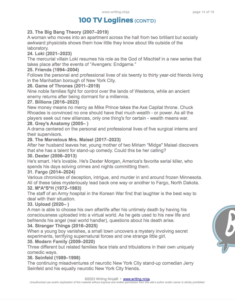
The Anatomy of a Killer Logline: Characters, Conflict, and a Dash of Magic
A logline isn’t a grocery list. It’s a formula, a carefully calibrated blend of who, what, and why. The Netflix Logline Test hinges on three core elements:
- Protagonist: Who is your central character? Give them a name, a trait, or a defining quirk. “A washed-up stuntman” is infinitely more compelling than “a man.”
- Goal: What do they want? This isn’t just any desire—it’s a burning, unrelenting need that drives the story. Think “to avenge his brother’s death” or “to save the last unicorn.”
- Stakes: What happens if they fail? The higher the cost, the higher the tension. “The world will end” beats “they’ll be sad.”
Now, let’s dissect a logline that passes the Netflix Logline Test with flying colors: “A brilliant but reclusive linguist must decode a series of cryptic messages to stop a global cyberattack before the next solar flare wipes out all technology.” 26 words. Three sentences. A protagonist, a goal, and stakes that feel like the world’s ending. That’s the power of precision.
But here’s the catch: your logline must also be unique. Netflix executives hear thousands of pitches. If your idea sounds like a retread of Die Hard or Taken, it’s dead on arrival. The test isn’t just about fitting into 26 words—it’s about standing out in them. How? By injecting a twist, a genre-bending hook, or a character so vivid they leap off the page. “A mild-mannered accountant discovers he’s the heir to a vampire dynasty and must choose between his humanity and his destiny.” Now that’s a logline that demands attention.
Common Pitfalls: When Your Logline Flops (And How to Fix It)
Even the most promising ideas can crumble under the weight of a poorly crafted logline. Here are the most frequent offenders—and how to evade them:
- Vagueness: “A story about love and loss.” No. Be specific. “A grieving widow adopts a stray dog that leads her to the man who caused her husband’s death.” Now we’re talking.
- Passive Protagonists: “A detective investigates a murder.” Boring. “A disgraced detective, haunted by his past, races to solve a murder that mirrors his wife’s unsolved case.” Now we care.
- Weak Stakes: “A teenager must pass a test.” So what? “A teenager must pass a deadly exam that will either save her family from debt or sentence them to a life of servitude.” Now we’re invested.
- Overcomplication: “In a dystopian future, a group of rebels fights against a tyrannical AI overlord while navigating a love triangle and a prophecy about a chosen one.” Too much. Trim it down: “A rebel hacker discovers she’s the key to overthrowing a sentient AI that controls humanity.”
If your logline reads like a Wikipedia summary, it’s time to go back to the drawing board. The Netflix Logline Test isn’t about cramming in every detail—it’s about leaving your audience hungry for more.

From Logline to Binge-Worthy: Turning Your 26 Words into a Netflix Hit
Passing the Netflix Logline Test is just the beginning. The real challenge? Turning that 26-word gem into a full-fledged series or film that keeps viewers glued to their screens. Here’s how to bridge the gap:
- Expand the Hook: Your logline is the bait. The script is the feast. Use the logline’s core conflict as the spine of your story, then layer in subplots, character arcs, and escalating stakes.
- Develop Your Protagonist: Who is this person beyond their goal? What haunts them? What do they fear? The more three-dimensional your lead, the more audiences will root for them.
- Raise the Stakes: The logline hints at the cost of failure. The story must deliver on that promise. Every season, every episode, every scene should escalate the tension.
- Master the Art of the Tease: Netflix thrives on cliffhangers. End each episode (or act) with a question, a twist, or a revelation that makes viewers hit “Next Episode.”
- Embrace the Binge: Modern audiences consume content in gulps. Your story should feel like a single, unbroken narrative—even if it’s broken into episodes. Think of each installment as a chapter in a novel.
Take Squid Game, for example. The logline—“Hundreds of cash-strapped players accept a strange invitation to compete in children’s games—with high stakes.”—is simple, but the show’s brilliance lies in its execution. The characters are vivid, the stakes escalate relentlessly, and the twists keep viewers hooked. That’s the power of a logline that’s just the tip of the iceberg.
The Ultimate Challenge: Can You Sum Up Your Idea in 26 Words?
Now comes the moment of truth. Grab a timer. Set it for 60 seconds. And try to condense your idea into 26 words or less. No cheating. No backtracking. If you can’t do it, your idea isn’t ready for Netflix. It’s not about being clever—it’s about being clear.
Here’s a pro tip: Start with a longer draft, then ruthlessly cut. Remove adjectives. Replace phrases with single words. Eliminate anything that doesn’t serve the core conflict. If you’re left with a sentence that feels like a punch to the gut, you’re on the right track.
And if you fail? Don’t despair. Every great idea starts as a messy draft. The Netflix Logline Test isn’t a gatekeeper—it’s a catalyst. It forces you to refine your vision, to dig deeper, to find the heart of your story. So go ahead. Take the test. Your future binge-worthy series might just hinge on those 26 words.
After all, in the world of streaming, the best ideas aren’t the ones with the most words—they’re the ones that need the fewest.


Leave a Comment