

Is it possible that the ancient trade routes of the Silk Road are experiencing a modern renaissance, this time not with caravans and silk, but through vibrant cultural exchanges and gallery collaborations spanning Seoul to Sharjah? This question teases the imagination, inviting us to ponder how artistic dialogue can transcend geography and reshape global narratives. The challenge? Balancing historic legacy with contemporary innovation to create a new era of interconnected cultural vibrancy.
Revitalizing the Essence of the Silk Road Through Art
The Silk Road historically symbolized not only the exchange of commodities but also the dynamic interplay of ideas, traditions, and artistic expressions. Today, this spirit is resurrected in unprecedented ways, as Seoul and Sharjah emerge as pivotal nodes in a 21st-century cultural nexus. These cities, though geographically distant, are connected by an invigorated pipeline of artistic collaboration, cultural festivals, and literary fairs that evoke the Silk Road’s legendary cosmopolitan essence.
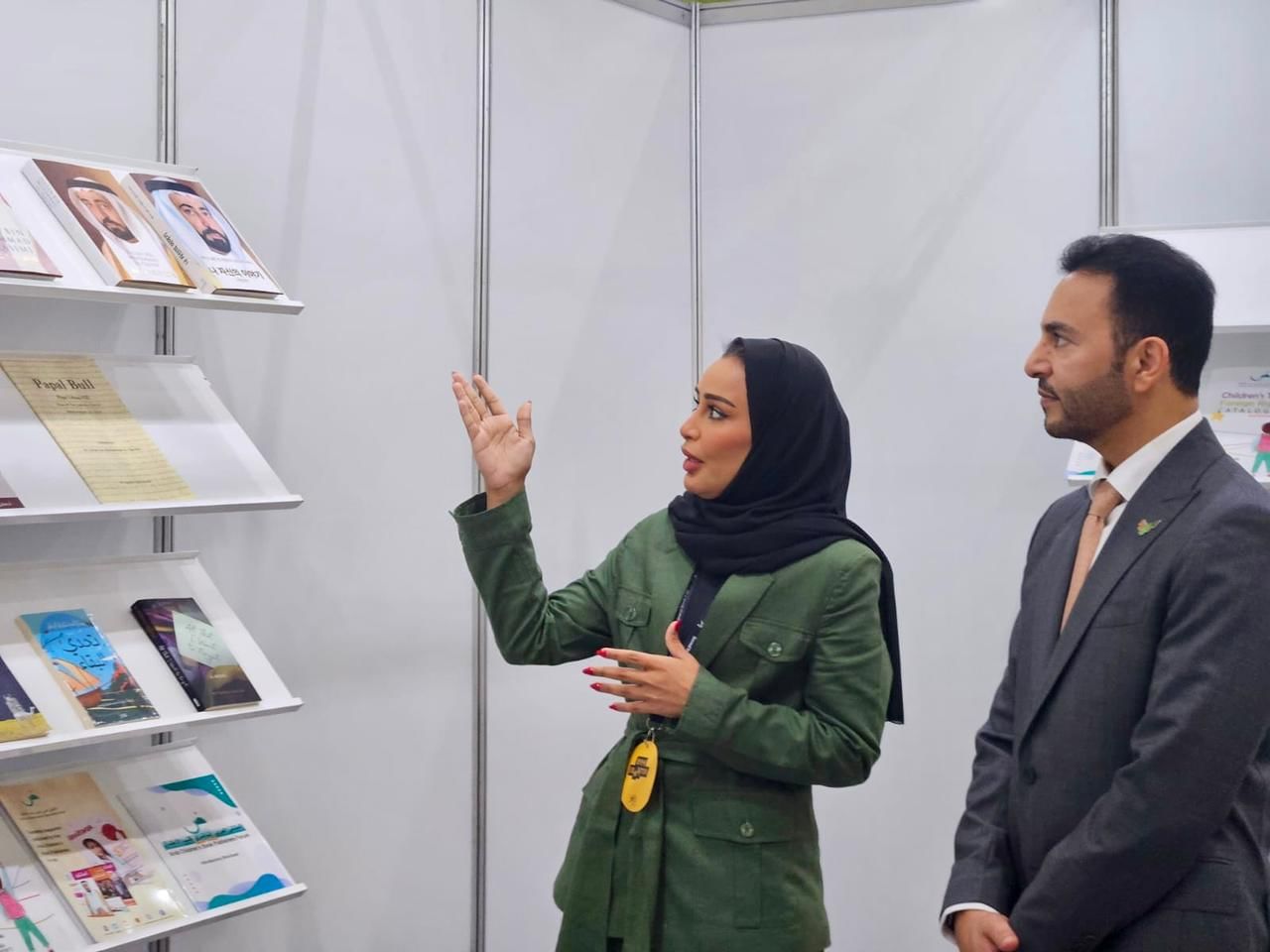
Sharjah’s participation as the Guest of Honor at the Seoul International Book Fair exemplifies this modern dialogue. This engagement transcends mere exhibition; it incarnates an active exchange of literary voices and creative energies that signal a mutual appreciation for diverse storytelling traditions. In this convergence, the galleries and cultural institutions are not just display arenas but dynamic platforms facilitating intercultural synergy.

Seoul: A Beacon of Contemporary Artistic Innovation
Seoul’s art scene boasts a pulsating vibrancy fueled by its synthesis of heritage and futuristic vision. The city’s galleries and cultural institutions continually seek fresh narratives that challenge conventions and embrace multiplicity. Hosting Sharjah as a guest of honor underscores Seoul’s commitment to nurturing cross-cultural narratives that transcend regional confines.
This initiative not only amplifies Korean art’s contemporary voice but also exposes local audiences to the diverse palette of Middle Eastern artistic expression. The resulting interaction cultivates a fertile ground for new collaborations and hybrid artistic forms, posing intriguing questions about identity, tradition, and innovation.
Sharjah: Custodian of Cultural Heritage and Modern Dialogue
Sharjah’s cultural landscape elegantly balances its rich heritage with global artistic trends. As a UNESCO World Book Capital, Sharjah has invested deeply in fostering literary arts and cultural inclusivity. Its participation in the Seoul International Book Fair amplifies this vision, positioning the city as a cultural hub that bridges East and West.
Moreover, Sharjah’s galleries and cultural institutions actively engage in international collaborations that echo the Silk Road’s historical function as a conduit of artistic dialogue. This revitalized network promotes not only artistic showcase but also immersive exchange programs and joint exhibitions, amplifying the dynamism of cultural diplomacy.
Challenges and Opportunities: Navigating Artistic Diplomacy in a Globalized Era
Amidst this flourishing collaboration, a crucial challenge emerges: how to maintain authenticity while embracing hybridization? The tension between preserving unique cultural narratives and creating a universal language of art necessitates a delicate balance. Both Seoul and Sharjah operate at this intersection, endeavoring to cultivate an authentic yet inclusive cultural tapestry.
This collaborative spirit faces another test—reaching wider audiences beyond the art connoisseurs to engage public imagination and foster social cohesion. Strategies must innovate to deepen accessibility, employing technology and interdisciplinary approaches that make the arts compelling for diverse publics. These initiatives could redefine the parameters of the Silk Road’s legacy, transforming it into an inclusive global dialogue hub.
The Role of Technology in Amplifying Cross-Cultural Exchanges
Digital platforms and virtual galleries are now integral to contemporary cultural exchange. Seoul and Sharjah have leveraged technology to extend their collaborative reach, enabling artists and curators to connect beyond physical constraints. Virtual book fairs, online exhibitions, and digital artist residencies facilitate global participation and democratize access to these cultural treasures.
The integration of augmented and virtual reality experiences further enriches this landscape, offering immersive interactions that transcend traditional gallery boundaries. These tools not only democratize art but also create novel spaces for cultural storytelling, enhancing the Silk Road’s metaphorical thread of connectivity.
Looking Ahead: The Silk Road as a Blueprint for Future Collaboration
As the Silk Road narrative evolves, the gallery collaborations between Seoul and Sharjah serve as illustrative prototypes for global cultural partnerships. They demonstrate how cities can harness their unique heritage while embracing intercultural exchange to foster innovative artistic expressions.
This unfolding story challenges us to reconsider cultural boundaries, inviting us to envision a future where art serves as a lingua franca, bridging differences and creating shared spaces of creativity and understanding. It posits that even in a rapidly globalizing world, there is room, indeed a necessity, for thoughtful preservation intertwined with bold innovation.
Conclusion: Weaving a New Tapestry of Cultural Connectivity
The modern iteration of the Silk Road, as seen through the collaborative endeavors of Seoul and Sharjah, presents a compelling narrative of cultural renaissance and artistic diplomacy. These partnerships not only rekindle the historic spirit of exchange but propel it into new realms that challenge and inspire.
Will this new Silk Road surmount the challenges of cultural authenticity and audience engagement to become a perennial conduit for creative exchange? Time will tell. But what remains certain is the vibrant tapestry being woven—thread by brilliant thread—between these culturally rich cities, offering a beacon of hope and possibility for the global arts community.


Leave a Comment