

In the arena of contemporary culture, the collision between politics and art has taken on fascinating manifestations. Among the most vivid and controversial of these intersections is the phenomenon often dubbed “The Politics of the Smear,” a complex confluence of defamation, ideological struggles, and cultural expression. When this collision is framed within the evocative imagery of anarchy—as portrayed through compelling visual media like canvas art—the narrative deepens, embracing not only sociopolitical conflict but also the power of rebellion and dissent. This article delves into the multifaceted dimensions of this intricate relationship, exploring the types of content readers can expect when navigating the tumultuous waters of political smears and anarchistic symbolism on canvas.
The Visual Lexicon of Anarchy on Canvas
Anarchy as a visual motif has long captivated artists and audiences alike. It embodies chaos, resistance, and the rejection of hierarchical authority, often rendered in bold strokes, stark contrasts, and provocative iconography. Canvas art that channels this ethos transcends mere decoration; it becomes a statement, a rallying cry, a reflection of societal unrest. The vibrant works depicting figures and turmoil associated with anarchy demand an immersive engagement. Viewers who encounter these pieces can anticipate a rich visual tapestry that leverages symbolic elements—such as the notorious “A” encircled by a spray-painted guise, the chaotic imagery of rebellion, or iconic characters who personify defiance.

Such visuals invite viewers to journey beyond the surface. Every shade, every brush stroke is laden with meaning, rendering the chaotic spirit of anarchy into a palpable experience. These canvases speak not just in images, but in whispered tales of upheaval and transformation, pulling observers into a dialogue about authority, freedom, and societal fractures.
The Dynamics of Smear Politics: A Contemporary Modus Operandi
Political smearing thrives in the shadows of public discourse, where insinuations and allegations fracture reputations and cloud truth. It is a pernicious technique, wielded mercilessly by figures across the ideological spectrum, seeking to destabilize opponents through character assassination. The landscape is rife with veiled accusations, distorted narratives, and moral ambiguity. In this context, the interplay of smear politics with artistic expression emerges as a potent narrative device.
Imagine a setting where policies and personalities collide, not merely in boardrooms or parliaments, but on a canvas that captures societal angst. The smear evolves from whispered gossip to visceral imagery, forcing an analysis of the mechanisms behind public perception. For readers, this means access to content that unpacks the anatomy of political defamation, exploring its motivations, impacts, and the countermeasures deployed by the accused.
Case Studies Embedded in Iconic Imagery
Through the lens of specific examples, the intricate melding of smear politics and anarchistic art becomes even more vivid. Consider characters who have been immortalized in popular culture as symbols of rebellion and unconventional leadership. Their portraits on canvas do more than celebrate their persona; they highlight a broader commentary on truth, power, and political vilification.
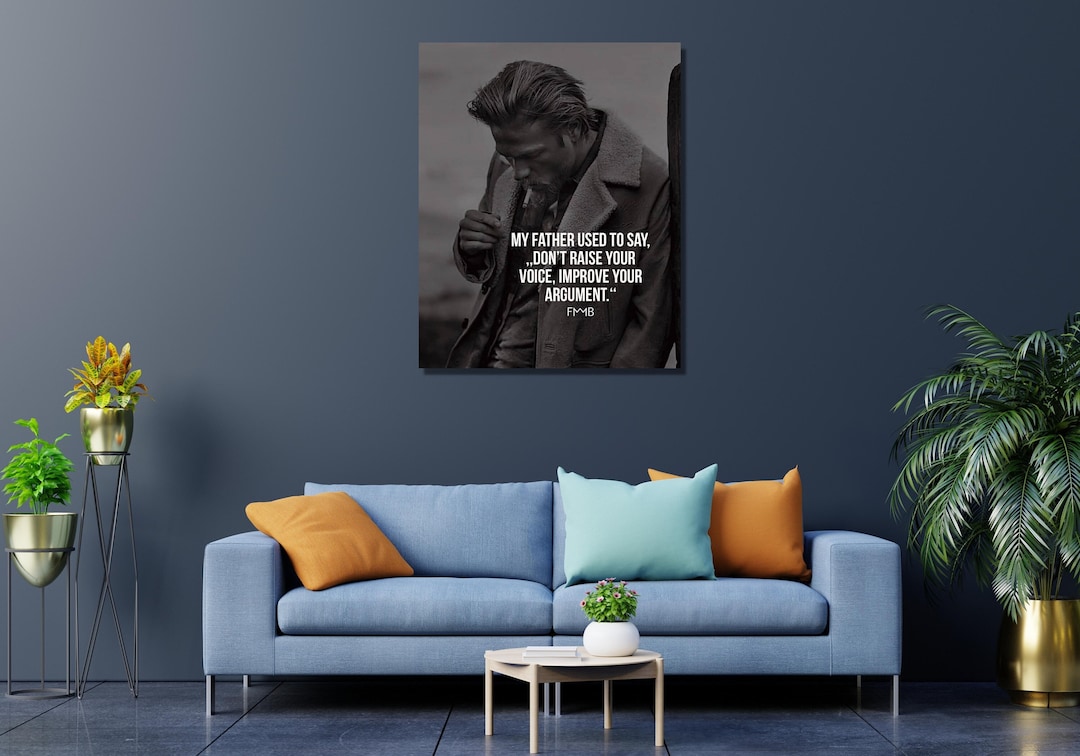
These evocative portraits often come paired with potent quotes or statements emblematic of dissent, underscoring the tension between public image and private conviction. Readers encountering such content encounter a matrix of storytelling, where each element—visual, textual, and contextual—converges to scrutinize the ever-shifting boundaries of political identity and public narrative.
Media, Smears, and the Amplification of Anarchy
The media’s role in magnifying the effects of political smears cannot be overstated. Channels ranging from traditional press to social platforms act as accelerants, turning a spark of accusation into a conflagration of public opinion. This amplification translates into increased relevance for anarchistic themes in art, which reflect the collective disillusionment and skepticism pervasive in society.
Readers will find this area ripe for exploration: how the dissemination of information, often tinged with bias or incomplete facts, creates fertile ground for anarchistic symbols to resonate. The artistic interpretations echo the sentiments of disenfranchisement and challenge the narratives constructed by mainstream powers. The symbiotic relationship between media portrayal and artwork inspires a deeper understanding of how trust and truth are negotiated in the public sphere.
Beyond the Canvas: The Cultural Legacy of Smear Politics and Anarchy
Art and politics do not exist in isolation; they are interwoven into the fabric of collective memory and cultural identity. Smear campaigns shape not only immediate discourse but also historical perception, influencing the way future generations interpret leadership, dissent, and legitimacy. Anarchistic canvas art, as a vessel for these themes, offers a visual archive of societal tensions, preserving the ethos of resistance and the complexities of political strife.

For readers, engaging with this content means encountering art that is simultaneously a historical document and a provocative challenge to entrenched norms. It invites reflection on the potency of imagery as a tool for social critique, and how the aesthetics of anarchy become a soundtrack to political drama.
Conclusion: The Enduring Dialogue Between Power and Rebellion on Canvas
The politics of the smear intersecting with the metaphor of anarchy on canvas crafts an indelible narrative canvas—a vivid tableau of conflict, expression, and societal introspection. From bold artistic representations to the shadowy mechanisms of defamation, this convergence offers a compelling spectrum of content for readers eager to decipher the nuances underpinning political culture and creative resistance.
Diving into these layers, one uncovers the transformational power of art as both a mirror and a mold of political realities. It challenges observers not only to see but to question, pushing the boundaries of what is accepted and what is contested. This ongoing dialogue between power and rebellion continues to fuel creativity and critical thought, ensuring that the politics of the smear and anarchy on canvas remain enduring subjects of fascination and discourse.


Leave a Comment