

There is a certain chaotic sanctity that envelopes the artist’s studio—the archetypal den of creation where order surrenders to inspiration, and the mundane transforms into masterpieces. The studio is not just a room but a labyrinthine sanctum, a holy mess that pulses with possibility and raw, unrefined genius. In an age of sleek digital edges and sanitized minimalism, the reemergence of the artist’s studio as a vibrant, cluttered sanctuary breathes life back into the heart of creativity. It is here, amid the splattered canvases and scattered palettes, that the divine dance of imagination and craft unfolds in unabashed authenticity.
The Studio as a Sacred Ecosystem: A Metaphor for Creation
Imagine the studio as a thriving jungle—an ecosystem meticulously chaotic, where every paintbrush, sketchpad, and fragmented idea is a vital organism. This “holy mess” is not the absence of order but an alternative taxonomy of creativity. Like a wild garden, it thrives on unpredictability and the unforeseen juxtapositions of color, texture, and thought. Each element within it holds a story, a fragment of a larger narrative whispering secrets of the artist’s journey.
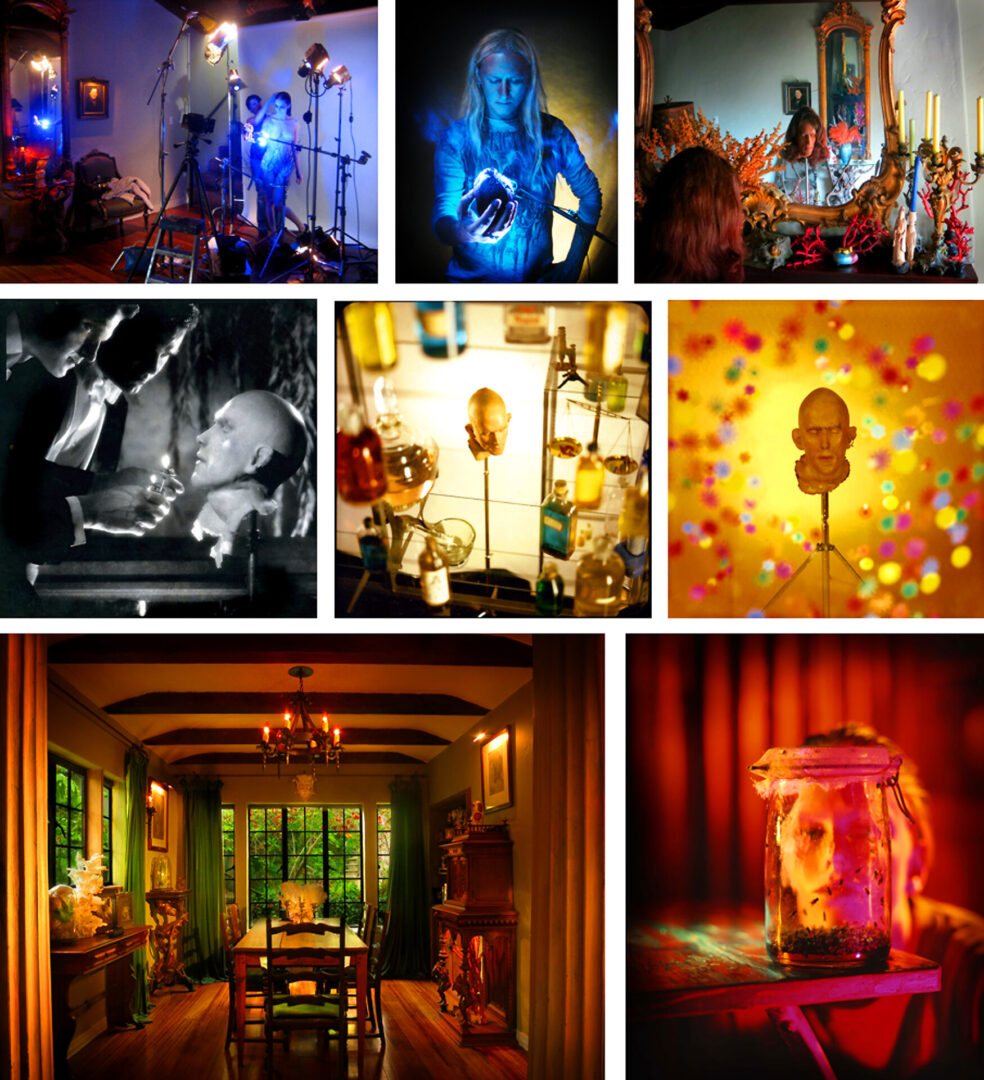
Far from disorder, this labyrinth becomes the soil from which invention blossoms. The scattered remnants—brushes encrusted with hues of previous epics, splatters of paint like constellations on a dark canvas, crumpled sketches teeming with nascent concepts—constitute an intricate map of the creative process. It is a defiant pushback against sterility, an embrace of the beautiful imperfection that makes art so palpably human.
The Intrigue of the Unrestrained Palette
There’s an intoxicating magnetism in observing an artist’s untamed palette of colors and tools sprawled across their studio. This is not simply a space but an alchemist’s lab, where pigments and brushes serve as arcane instruments of transformation. The studio refuses the tyranny of precision and welcomes the unexpected—spills become stars, smudges turn into shadows, and missteps often lead to revelations.
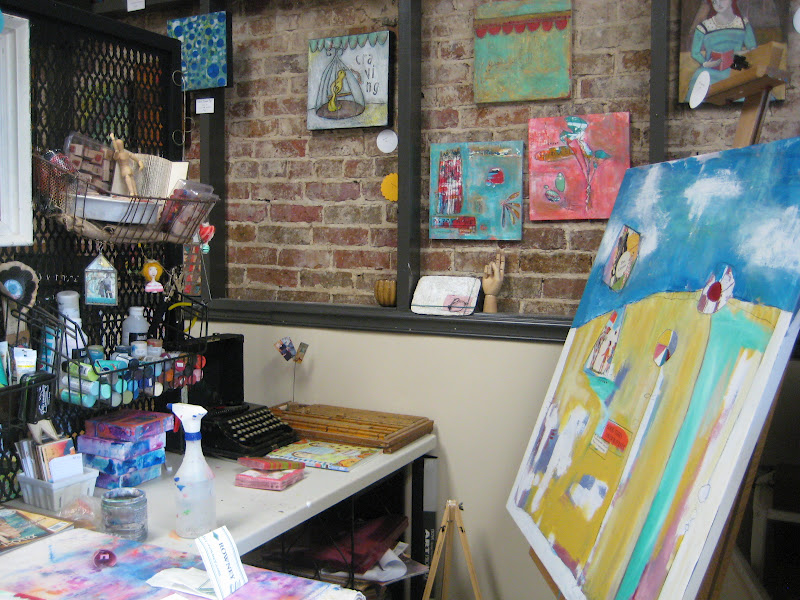
By embracing this disarray, artists sidestep the mechanized repetition of formulas, diving instead into realms of visceral discovery. The twisted skein of wires, half-finished canvases leaning precariously, and paint-stained aprons tell stories of persistence and playfulness. This is a world where creativity thrives on accumulation—layers upon layers, the cerebral and tactile weaving together until art emerges as a cadence of chaos, transformed into coherence.
Lighting the Sacred Space: A Dance of Shadows and Luminescence
Light within the studio is not merely functional—it is an elemental force shaping perception and mood, a cosmic partner dictating the rhythm of creation. The interplay of illumination and shadow lends depth and mystery, turning the space into a temple of contrasts where ideas flicker into life like ephemeral flames.

Strategic shadows carve out niches of intense focus, while bursts of natural light pour over tables cluttered with implements, revealing textures and hues in bold relief. This chiaroscuro effect mimics the very process of artistic conception—clarity emerging from ambiguity, the known from the enigmatic. In these flickering shafts of light lays a metaphor for the artist’s mental landscape, ever shifting, never still.
The Enduring Allure of a Studio’s Holy Mess
In a world dominated by streamlined efficiencies and digital perfection, the resurgence of the artist’s studio as a sanctuary of wholesome disarray is a refreshing revival. It invites both creators and observers to reckon with the beauty that lies within imperfection, the power of unfiltered expression. This holy mess is an unspoken manifesto against homogeneity, a tactile celebration of divergence.
The studio’s untidy splendor encourages risk-taking, honors the serendipitous, and nurtures an intimate dialogue between artist and material. Here, chaos does not hinder creativity; it fertilizes it. The scattered remnants are symbols of passion’s relentless pursuit, the necessary clutter through which clarity eventually crystallizes.
Conclusion: A Reclamation of Creative Sanctity
The return of the artist’s studio as a holy mess signals a profound resurgence of an ancient truth: that creativity flourishes best when freed from rigid constraints. It is a place where the visceral and the visionary collide, a sanctuary that honors the untamed ebb and flow of ideas. Far from a mere workspace, the studio becomes an altar to the artistic spirit, a living mosaic of trials, errors, and triumphs.
Within this sanctuary, chaos is consecrated. The artist’s holy mess is no accident—it is the sacred heartbeat of creation, beating bold and untethered. Every speck of paint, every misplaced tool, every lingering scent of turpentine is a testament to the alchemy of inspiration and sweat. The studio, in all its glorious disarray, beckons creators to embrace the mess, to find holiness in the chaos, and to celebrate the beautiful unpredictability of making art.


Leave a Comment