

The slow art fair is not merely a trend—it is a quiet rebellion against the frenetic pace of modern life, a deliberate pause where art, architecture, and nature converge to restore rather than overwhelm. In an era where art fairs often resemble high-speed bazaars, where collectors dart from booth to booth like bees in a hive, the emergence of biophilic and restorative design principles signals a profound shift. Visitors no longer seek mere spectacle; they crave sanctuary. They yearn for spaces that do not just display art but envelop the senses in a rhythm as gentle as a morning breeze through bamboo. This is the essence of the “slow” art fair: an oasis where time dilates, where the mind unclenches, and where the boundaries between observer and environment dissolve into something far more nourishing than passive admiration.
The allure of such an experience is not accidental. It taps into a deep, almost primal longing for reconnection—with ourselves, with each other, and with the living world that sustains us. In a culture that glorifies productivity and speed, the slow art fair offers a radical counterpoint: the permission to linger, to breathe, to feel. It is not about doing less; it is about experiencing more. And in doing so, it reveals something profound about our collective psyche. We are tired of being spectators to our own lives. We want to be participants. We want to be held.
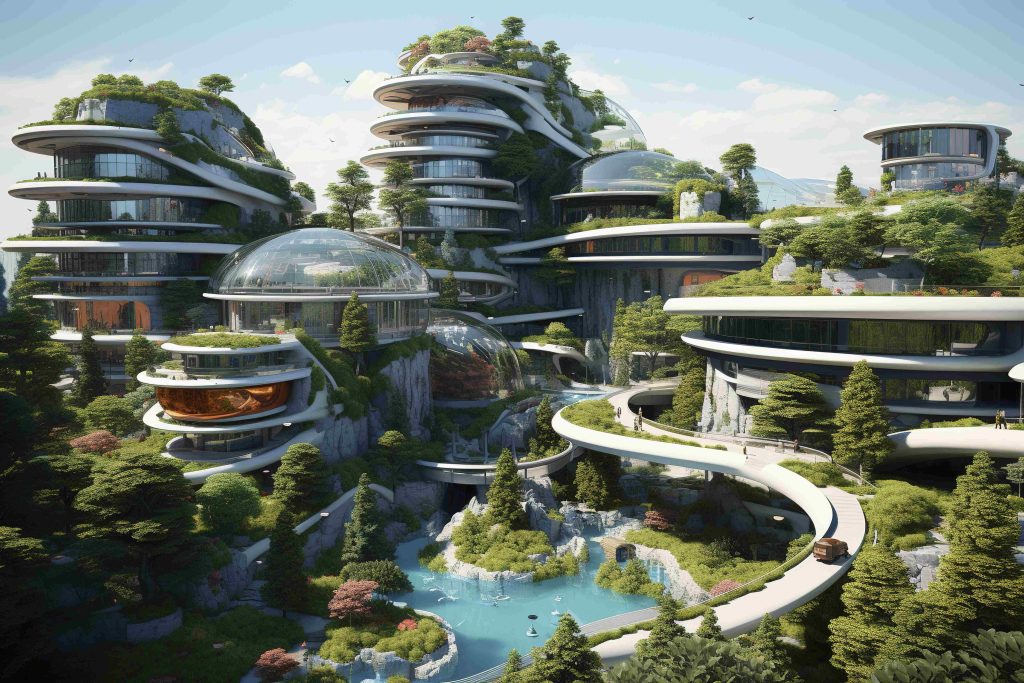

The Art Fair as a Living Ecosystem: Where Walls Breathe and Light Whispers
Imagine stepping into an art fair where the walls are not static barriers but living membranes—porous, adaptive, and alive. This is the promise of biophilic design in exhibition spaces. Architects and curators are increasingly weaving living walls of moss and ferns into gallery structures, their verdant tendrils curling around steel frames like the veins of a leaf. These installations do more than please the eye; they regulate humidity, purify the air, and emit a subtle, earthy fragrance that lingers in the memory long after the visit. The air itself becomes part of the artwork.
Light, too, is no longer a harsh, clinical necessity but a soft, directional guide. Natural light filters through skylights draped in translucent fabric, casting dappled patterns that shift with the sun’s arc. Artificial lighting mimics the gentle gradations of dawn and dusk, avoiding the jarring glare of traditional exhibition halls. The result is an environment where the passage of time is not just acknowledged but celebrated. Visitors move through the fair as they might through a forest at twilight—each step a discovery, each glance a revelation.
This transformation is not merely aesthetic. Studies in environmental psychology confirm what we intuitively sense: spaces that integrate natural elements reduce stress, enhance creativity, and foster a sense of well-being. The slow art fair, therefore, is not just a stylistic choice—it is a wellness intervention. In a world where anxiety and burnout are epidemic, it offers a rare antidote: the chance to slow down without feeling like we are missing out.
The Maze as Metaphor: Losing Yourself to Find Something Greater
There is a peculiar magic in getting lost. Not the panic-inducing disorientation of a labyrinth with no exit, but the deliberate, almost meditative meandering of a maze designed to disarm the mind. The Art Fair Philippines’ 2023 Biophilic Maze was more than an installation; it was an invitation to surrender. Visitors wandered through winding paths lined with towering bamboo, their footsteps muffled by moss, their gaze drawn upward to canopies of woven vines. The maze was not a puzzle to solve but a journey to undergo—a physical manifestation of the slow art fair’s ethos.
Mazes have long been symbols of transformation. In ancient myths, they represent the labyrinth of life, where the hero must confront their fears before emerging enlightened. The slow art fair’s maze does something similar. It strips away the noise of the outside world, forcing visitors to confront the present moment. There are no shortcuts, no distractions—just the rhythm of their own breath and the textures beneath their fingertips. In this way, the maze becomes a metaphor for the entire experience: a deliberate detour from the fast lane, a path that leads not to exhaustion but to renewal.
What makes this approach so compelling is its rejection of the traditional art fair hierarchy. In most exhibitions, the path is linear, the route predetermined, the experience curated to maximize foot traffic and sales. The maze, however, democratizes the journey. It says: you are not here to consume; you are here to connect. And in doing so, it transforms the act of viewing art from a transaction into a pilgrimage.
The Sensory Palette: Touch, Scent, and Sound in the Slow Art Fair
A slow art fair engages all the senses, not just sight. It is a symphony of tactile, olfactory, and auditory experiences designed to ground the visitor in the here and now. Imagine running your fingers over the rough bark of a reclaimed wood sculpture, its surface worn smooth by time and weather. Or inhaling the resinous scent of pine needles mixed with the metallic tang of copper sculptures, a scent that lingers like a memory. Or closing your eyes to the sound of a water feature trickling over smooth stones, its rhythm syncopated by the occasional chime of wind bells.
These details are not mere embellishments; they are essential to the experience. In a world dominated by digital interfaces, where touch is often reduced to a swipe and scent to a synthetic fragrance, the slow art fair offers a tactile awakening. It reminds us that art is not just something to look at—it is something to feel, to hear, to breathe. This multisensory approach does more than enhance enjoyment; it deepens the connection between the viewer and the work. When we engage with art on multiple levels, we are no longer passive observers. We become active participants in a dialogue that transcends the visual.
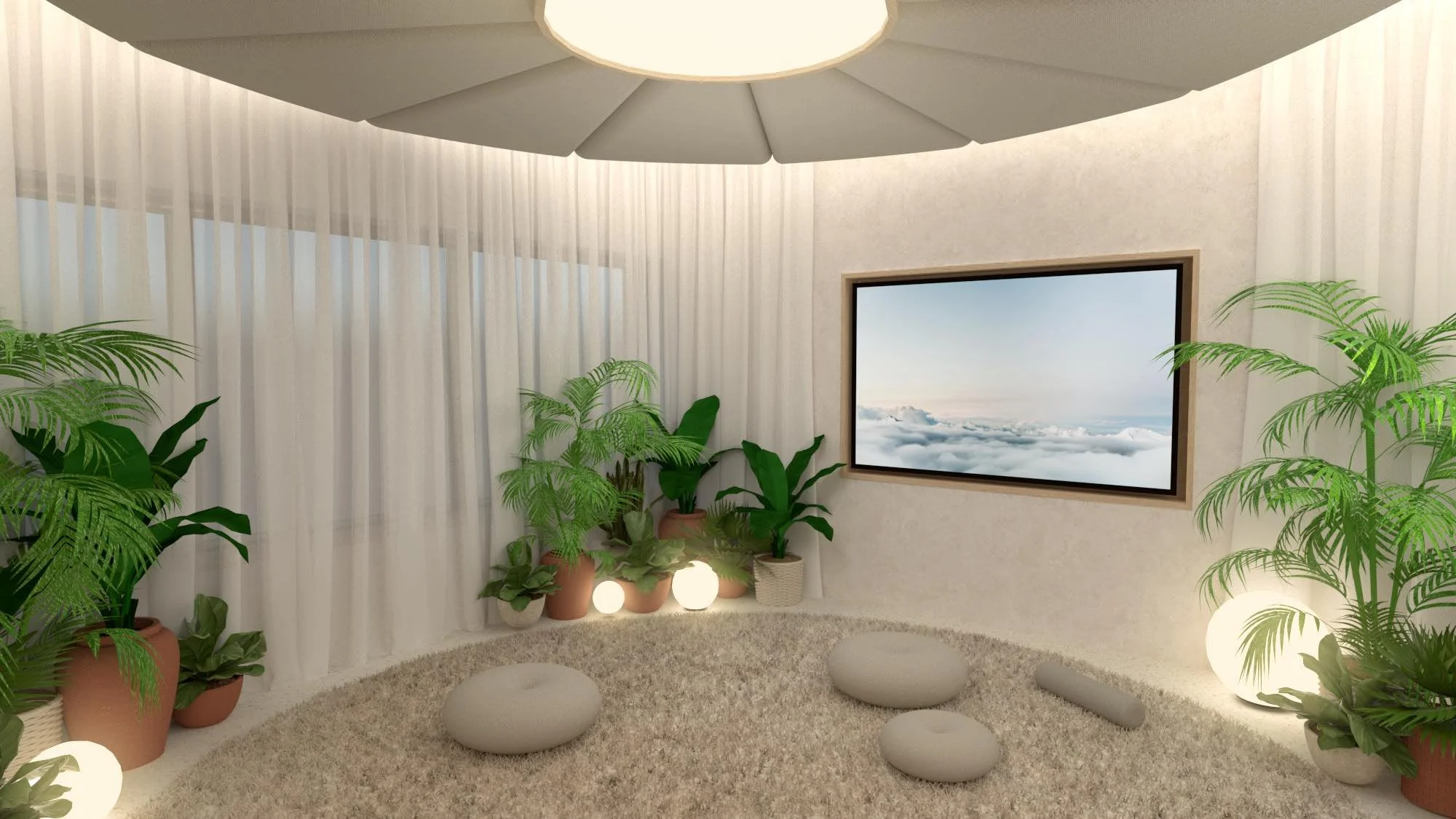
The Psychology of Slowness: Why We Crave the Pause
Our fascination with slow art fairs is not just a fleeting aesthetic preference—it is a psychological necessity. In a culture that glorifies speed, where notifications ping every few minutes and productivity apps track our every move, the act of slowing down is an act of rebellion. It is a declaration that we are more than our output, that our worth is not measured in likes or sales but in presence and depth.
This craving for slowness is rooted in our biology. The human brain is not wired for constant stimulation. It thrives on periods of rest, of reflection, of unstructured time. When we slow down, we allow our default mode network—the part of the brain responsible for creativity and introspection—to activate. We daydream. We make unexpected connections. We remember who we are beyond our roles as consumers or professionals. The slow art fair, therefore, is not just a pleasant diversion; it is a vital reset for the modern mind.
Moreover, the slow art fair addresses a deeper existential longing: the desire to belong. In a world that often feels fragmented and isolating, these spaces offer a sense of community without the pressure of performance. Visitors linger not because they are obligated to, but because they feel at home. They strike up conversations with strangers. They share insights about the art. They leave feeling not just inspired, but connected—to the art, to the environment, and to each other.
The Future of the Slow Art Fair: A Blueprint for Cultural Spaces
The slow art fair is more than a passing trend; it is a blueprint for the future of cultural spaces. As climate change and urbanization intensify, the demand for restorative environments will only grow. Architects and curators are already experimenting with modular, biodegradable structures that can be disassembled and repurposed, leaving minimal environmental impact. Others are incorporating renewable energy sources, such as solar-powered lighting and rainwater harvesting systems, to ensure that the fair’s footprint is as light as its aesthetic.
But the most exciting developments lie in the realm of digital integration. Far from being antithetical to slowness, technology can enhance it. Augmented reality, for example, can provide visitors with layered information about the art—its history, its materials, its ecological impact—without overwhelming them. Interactive installations can respond to the viewer’s presence, creating a dialogue that evolves in real time. The key is to use technology as a tool for connection, not distraction.
The slow art fair also holds lessons for other cultural institutions. Museums, galleries, and even music festivals are beginning to adopt its principles, creating spaces that prioritize well-being alongside aesthetics. The result is a new generation of cultural venues that are not just places to visit, but places to inhabit—to linger, to reflect, to heal.
As we move forward, the slow art fair will continue to evolve, but its core ethos will remain unchanged: the belief that art should not just be seen, but felt; that spaces should not just be traversed, but experienced; that culture should not just be consumed, but savored. In a world that moves too fast, the slow art fair offers a radical proposition: that beauty is not found in speed, but in stillness. That meaning is not discovered in haste, but in patience. And that the most profound art is not the one that demands our attention, but the one that invites us to pause—and simply be.


Leave a Comment