

The Shakespearean stage is a battleground of intimacy and power, where a single word can shift the tectonic plates of a scene. Among the most electrifying linguistic tools at Shakespeare’s disposal are the pronouns “thou” and “you”—tiny linguistic switches that ignite emotional earthquakes between characters. These pronouns are not mere grammatical relics; they are emotional accelerants, social dividers, and psychological mirrors that reveal the hidden currents of affection, dominance, and social hierarchy. To wield them with precision is to unlock the alchemy of Shakespearean drama, transforming a flat exchange into a volcanic eruption of feeling. Whether you’re an actor, a director, a student, or a lover of language, understanding the “Thou vs. You” code is like possessing a decoder ring for the human soul as it was expressed in the 16th and 17th centuries.
The Hidden Grammar of Intimacy: When “Thou” Becomes a Kiss
In the Elizabethan world, “thou” was not just a pronoun—it was a whisper of closeness, a linguistic caress reserved for the most sacred and tender bonds. When Romeo turns to Juliet and murmurs, “Henceforth I never will be Romeo,” he doesn’t say “you.” He says “thou,” collapsing the social distance between them in an instant. This choice signals vulnerability, affection, and a daring disregard for the rigid class structures of Verona. In modern terms, it’s as if he’s saying, “I drop all pretense; I am nothing but my raw self before you.”
But intimacy is not always gentle. “Thou” could also be a blade—wielded by a king to a subject, a father to a child, or a lover scorned. When Lear rages at Cordelia with “Thou art a boil, a plague-sore,” the word becomes a curse, a verbal slap that strips away all pretense of familial love. The shift from “you” to “thou” in such moments is a seismic event, revealing the true nature of power and pain beneath the surface of polite speech. To understand “thou” is to understand the paradox of Shakespearean emotion: it can be both a sanctuary and a storm.
The Power Play of “You”: When Politeness Hides a Knife
Conversely, “you” is the armor of formality, the shield behind which characters hide their true intentions. When Iago whispers poison to Othello with smooth, insincere civility—“I am your own for ever”—he uses “you,” maintaining the veneer of loyalty while plotting betrayal. The word becomes a mask, a social lubricant that smooths over the jagged edges of mistrust. In courtly settings, “you” is the currency of respect, but it can also be a tool of manipulation, a way to keep others at arm’s length while pretending to honor them.
Even in moments of supposed equality, “you” can betray hierarchy. When Beatrice challenges Benedick with “You are a rare parrot-teacher,” the word underscores their verbal sparring match, a dance of wit where neither yields ground. Here, “you” is not a sign of affection but of intellectual parity—a battlefield where words are the weapons and pride is the prize. To master the use of “you” is to navigate the treacherous waters of social performance, where every syllable can either disarm or destroy.

The Class Divide: When Pronouns Draw Blood
Shakespeare’s world was one of rigid social stratification, and pronouns were the lightning rods that conducted the electricity of class tension. A servant addressing a noble with “thou” was an act of rebellion; a noble using “you” to a servant was a gesture of condescension. In Henry V, the king’s shift from “you” to “thou” when speaking to common soldiers is a masterclass in political theater—he strips away the armor of rank to forge a fleeting bond of camaraderie. Yet, when Pistol addresses the French princess with “I kiss thy foot,” the word choice is grotesque, a parody of intimacy that exposes the hollow nature of his flattery.
These linguistic power plays are not confined to history. They echo in modern power dynamics, from boardrooms to social media, where the choice between “you” and “thou” (or their modern equivalents) still signals who holds the upper hand. To ignore this code is to miss the subtext of every Shakespearean scene—where a single word can mean the difference between deference and defiance, between love and loathing.
Gender, Romance, and the Alchemy of “Thou”
In matters of the heart, “thou” is the language of lovers, dreamers, and the desperate. When Helena in A Midsummer Night’s Dream pleads, “I love thee not, therefore pursue me not,” the word choice is raw and unfiltered, stripping away the polite fictions of courtship. It’s the difference between a love letter that begins “Dearest You” and one that begins “My Dearest Thou”—the latter feels like a vow, a surrender of self. Shakespearean romance thrives on this linguistic intimacy, where “thou” becomes a synonym for devotion, possession, and even obsession.
Yet, romance is not always mutual. When a suitor overuses “thou” in an attempt to force intimacy, it can feel like emotional suffocation. The shift from “you” to “thou” must be earned, not demanded. In Twelfth Night, Viola’s disguise as Cesario complicates the pronouns—when Orsino addresses her with “thou,” it’s a moment of dangerous proximity, a flirtation that borders on the illicit. The pronouns become a minefield, where the wrong word can detonate the fragile trust between characters.
Directors and Actors: The Pronoun as Performance Tool
For actors, the choice between “thou” and “you” is a performance revolution. A director might instruct an actor to begin a scene with “you,” maintaining a cool, detached tone, only to have them pivot to “thou” in a moment of emotional climax—suddenly, the scene ignites. This shift can be physicalized: a character might step closer, lower their voice, or even touch the other as they drop the formal “you” in favor of the intimate “thou.” Conversely, a character might freeze another with a sudden “you,” freezing the moment in a block of ice.
Consider the difference in delivery between Hamlet’s “Get thee to a nunnery” and his later “I loved Ophelia.” The first is a dismissal, a shove toward damnation; the second is a whispered confession, a surrender to grief. The pronouns are the punctuation marks of the soul, guiding the audience through the labyrinth of a character’s heart. To ignore them is to leave half the story unspoken.
Modern Echoes: Why This Code Still Matters Today
The Shakespearean “thou” vs. “you” code is not a relic—it’s a living language of power and emotion that persists in modern speech. Think of the difference between addressing a stranger as “you” versus using their first name, or the intimacy of texting “u” versus spelling out “you.” These are echoes of the same linguistic dance Shakespeare perfected. In business, “you” can signal professionalism or coldness; in friendships, “thou” might appear in playful slang or affectionate nicknames. The code has evolved, but its DNA remains the same: pronouns are the DNA of human connection.
Even in digital communication, where tone is often lost, the choice of pronoun can carry weight. A lover’s text that begins with “Hey you” feels distant; one that starts with “Hey thou” feels like a secret shared only between two souls. The Shakespearean code is alive in every text message, every email, every whispered endearment—it’s the ancient rhythm beneath the modern words.
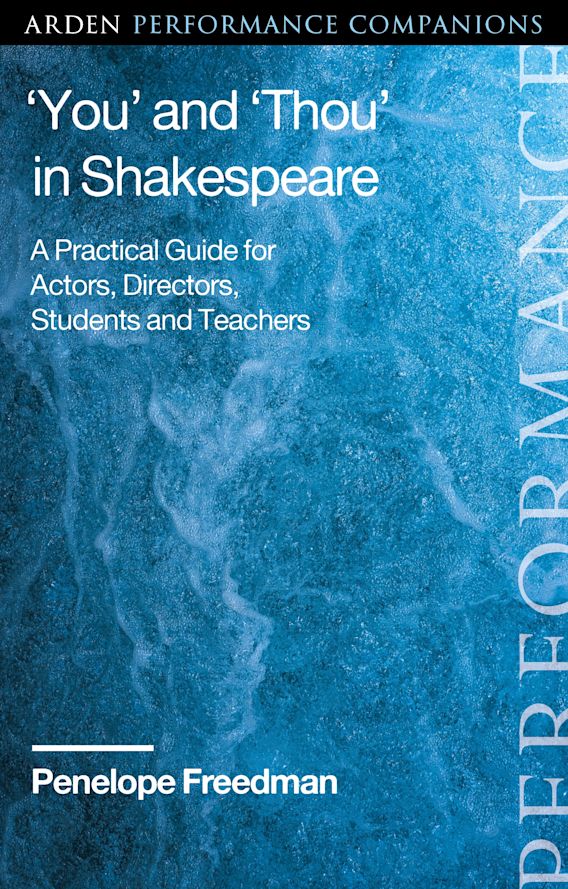
The Final Curtain: Mastering the Code of the Heart
To wield the Shakespearean “thou” and “you” is to hold a scalpel in one hand and a love letter in the other. These pronouns are not just grammatical choices—they are emotional detonators, social landmines, and bridges to the human soul. Whether you’re stepping onto the stage, analyzing a text, or simply navigating the complexities of modern communication, understanding this code is to unlock a deeper layer of human connection. It’s the difference between a polite exchange and a passionate confession, between a command and a plea, between a mask and a mirror.
So the next time you encounter a Shakespearean scene—or any scene where words matter—listen closely to the pronouns. They are the heartbeat beneath the dialogue, the pulse of power and passion that makes the words come alive. Master them, and you master the art of making every word feel like a revelation.


Leave a Comment