

The Silence between Stanzas: Breath Beat and the Unspoken
There exists a liminal space in poetry—where the ink dries not on the page, but in the air. It is the silence between stanzas, a pause so deliberate it becomes a stanza of its own. This is not emptiness, but a vessel, a breath held between words, a heartbeat suspended in the rhythm of thought. To read poetry is to dance with absence as much as presence; the unsaid hums louder than the said, and the white space on the page is not blank, but alive with potential. Here, we explore the profound interplay of silence and sound, the architecture of pause, and the unspoken truths that linger in the margins of verse.

The Breath as Metronome: How Silence Structures Rhythm
Every poem is a metronome, its ticking not in seconds, but in breaths. The silence between stanzas functions as the rest in music—it does not interrupt the melody, but defines it. Consider the haiku: its three lines are not just words, but pauses. The first line sets the tempo; the second bends it; the third releases it into silence. That silence is not absence—it is the echo of the frog’s leap into the pond, the space where meaning ripples outward. In free verse, the absence of meter makes the silence even more potent; the reader must intuit the rhythm, feel the pulse of the poem in their chest. The poet does not dictate the tempo—she invites the reader to breathe with her.
This breath-beat is not merely technical. It is spiritual. In Sufi poetry, the silence between lines is where the divine whispers enter. Rumi’s couplets often hang suspended, their endings trailing into nothingness, as if the poem itself is a doorway—and the reader must step through the threshold of silence to arrive at understanding. The pause is not a void; it is a sanctuary. It is where the reader’s mind wanders, where metaphors bloom unprompted, where the poem continues beyond the page.
The Unspoken as Co-Author: What Lies in the White Space
Poetry is not a monologue—it is a duet between speaker and reader, and the silence is the third voice. What is left unsaid is often more powerful than what is spoken. In Emily Dickinson’s work, the dashes are not punctuation; they are silences, pauses so pregnant with meaning that the reader must supply the missing words. “Hope is the thing with feathers— / That perches in the soul—” The dash after “feathers” is not a grammatical flourish—it is a breath, a moment where the reader must imagine the bird alighting, where the soul trembles in anticipation. The unspoken becomes the co-author of the poem.
This phenomenon is not limited to lyric poetry. In epic verse, the silence between stanzas can carry the weight of entire histories. Consider the gaps in Homer’s epics—the spaces between battles where the poet does not describe the carnage, but lets the reader’s imagination fill the void. The unsaid becomes a mirror: the reader sees not only what the poet shows, but what they fear to name. In this way, silence is not a lack—it is a revelation. It is where the reader’s psyche meets the poet’s, where the poem transcends language and becomes experience.

Silence as Subversion: The Politics of the Unvoiced
In a world that demands constant speech, silence is an act of resistance. Poetry that embraces the unsaid often challenges dominant narratives. Consider the work of Audre Lorde, whose poems frequently pivot on what is omitted—what cannot be named, what must be whispered. In “Power,” she writes of a child murdered by police, and the silence that follows is not just a pause—it is a scream. The absence of resolution is not a flaw; it is a mirror held up to injustice. The reader is forced to confront not only the violence described, but the silence that surrounds it—the silence of complicity, of systemic erasure.
Similarly, in contemporary spoken word, the silence between lines is where the audience’s discomfort lives. When a poet pauses after a line about grief or trauma, the silence is not empty—it is a vacuum that pulls the listener into the emotional landscape of the poem. The unsaid becomes a shared wound, a collective breath held in solidarity. Silence, in this context, is not passive—it is an accusation, a plea, a demand for witness.
The Visual Silence: Typography and the Architecture of Absence
Poetry is not only heard—it is seen. The layout of a poem on the page is a visual symphony of presence and absence. E.E. Cummings’ poems, with their fragmented lines and scattered punctuation, force the reader to navigate silence as much as sound. The white space between words is not decorative—it is structural. It dictates the pace, the emphasis, the emotional weight of each line. In George Herbert’s “Easter Wings,” the poem’s shape mirrors its subject: the lines grow thinner as the speaker’s spirit seems to lift, then expand again as hope returns. The silence between stanzas is not just temporal—it is spatial. It shapes the poem’s body.
Modern digital poetry takes this further. In kinetic typography or interactive web poems, silence can be a dynamic element—pauses that stretch or contract based on user interaction, white space that pulses like a heartbeat. The reader does not just read the poem—they conduct it, shaping its silences as much as its sounds. The visual silence becomes a participatory act, a collaboration between poet, technology, and reader.
The Reader’s Silence: The Most Intimate Pause
Ultimately, the silence between stanzas is not just the poet’s domain—it belongs to the reader. When we finish a stanza and pause before the next, we are not merely waiting for words. We are listening. We are remembering. We are feeling. The most profound silence in poetry is the one that occurs after the last line, when the poem has ended but its resonance lingers. That silence is where the reader’s own life meets the poem’s life. It is where memory and imagination intertwine.
Some poems demand this silence. They are not meant to be consumed quickly, but savored slowly. The reader must sit with the unsaid, let it settle into their bones. In this way, poetry is not a transaction—it is a transformation. The silence between stanzas is the crucible where meaning is forged.
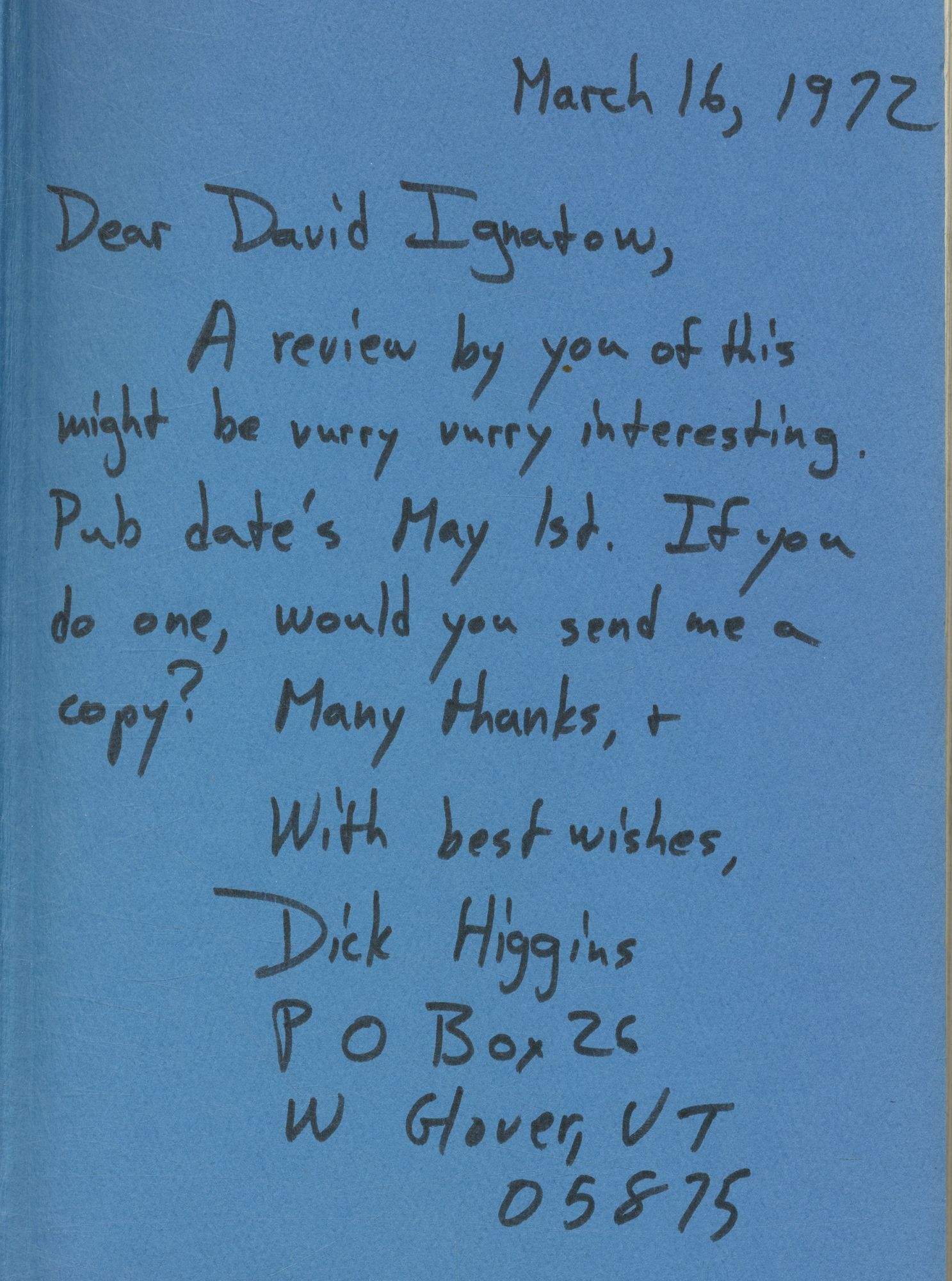
To read poetry is to learn the language of silence. It is to understand that what is not said is often more eloquent than what is. The silence between stanzas is not a gap—it is a bridge. It connects the poet’s intention to the reader’s intuition. It turns absence into presence, pause into pulse, and the unsaid into the most powerful utterance of all.
The next time you read a poem, do not rush past the silence. Stop. Breathe. Listen. The poem is still speaking—even when it says nothing at all.


Leave a Comment