

There’s a very particular aroma wafting through art studios today—a sharp, evocative scent that whisks painters and creators alike back to a time when craftsmanship was an intimate, tactile dialogue between artist and medium. It’s the unmistakable smell of turpentine, an ancient solvent known as much for its pungent fragrance as for its indispensable role in oil painting. But why this renaissance of studio practice now? Why is turpentine, once sidelined by modern products and safer alternatives, regaining its scent-marked prominence in creative spaces? The answer is more than nostalgic—it heralds a profound shift in artistic values and methodologies.
The Olfactory Signature of Creation
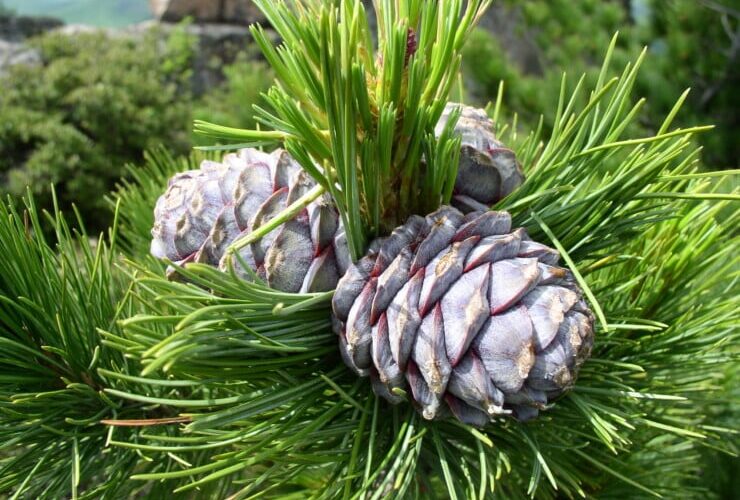
Imagine stepping into a studio where the air hums with possibility. That complex medley of piney sharpness and resinous undertones is more than just a scent; it is a sensory tether to the very act of making. Turpentine, derived from the resin of pine trees, has long been a faithful companion to artists, its aroma an olfactory hallmark that stimulates the senses and sharpens focus. This distinctive smell evokes an almost ritualistic moment—the paintbrush dips, the canvas engages, and the interplay of color and solvent unfolds. Today’s renewed enthusiasm for turpentine symbolizes not only a return to traditional methods but an embrace of a more immersive artistic experience.

Reviving Traditional Techniques in a Digital Age
We live entangled in a digital labyrinth, where pixels and screens often replace the tactile joy of tangible materials. However, a new wave of artists is pushing back, seeking to reclaim the authenticity inherent in physical media. The use of turpentine is emblematic of that impulse. Unlike odorless mineral spirits or synthetic substitutes, turpentine humbles the artist into a mindful engagement—it requires ventilation, respect, and a pace suited to drying times and brushwork finesse.
This revival fosters a slower, more deliberate creative rhythm. It represents a counterbalance to the instantaneous gratification commonly found in digital art. Embracing turpentine’s robust scent and volatile nature is a conscious choice to dwell deeper within the processes of mixing, thinning, and layering oils—a sensory dialogue that cannot be replicated by any digital interface.
A Multisensory Catalyst for Inspiration
There is something almost alchemical about how turpentine’s pungent character can spark inspiration. It acts as a multisensory catalyst, awakening not just the artist’s visual faculties but their entire sensory circuit. The scent has been described as both bracing and grounding, providing a peculiar kind of creative clarity.
Psychologically, olfactory stimuli are among the strongest triggers for memory and emotion. The smell of turpentine can transport artists to bygone eras, recalling the master painters of the Renaissance or the impressionists who first explored its potential. This connection to history enriches the contemporary practice, threading creative acts with deep cultural resonance and a sense of continuity.
Balancing Tradition and Safety: The Modern Turpentine Debate
Despite its storied past, turpentine’s robust smell and toxicity concerns have caused many studios to sideline it in favor of less fragrant, supposedly safer alternatives like mineral spirits. Yet, the pendulum seems to be swinging once more. Artists are now equipped with better knowledge and practices for safe handling—adequate ventilation, gloves, and responsible storage—which mitigates risk without sacrificing the sensual richness that turpentine affords.
This balance between honoring tradition and embracing modern safety protocols represents a mature studio practice, one that values both the materiality of art and the wellbeing of the artist. The return to turpentine is not recklessness, but a mindful reclamation of materials once deemed essential.

The Environmental Dialogue: Natural Versus Synthetic
In an era increasingly conscious of ecological impact, turpentine offers a narrative rooted in natural origins. Extracted from pine resin, it contrasts with synthetic solvents born from petrochemicals. This natural pedigree appeals to artists who wish their practice to resonate ethically as well as aesthetically. The use of turpentine can be seen as a small but meaningful gesture towards sustainability, a nod to materials inspired by and drawn from nature.
Yet this does not gloss over environmental concerns. Industry and artists alike are investigating sustainable forestry practices and low-impact harvesting techniques to ensure that turpentine production remains responsible. The dialogue surrounding turpentine is evolving, entwined with broader conversations about art’s ecological footprint and the stewardship of resources.
Why Studio Practice Is Back in Vogue
The embrace of turpentine is emblematic of a larger movement: artists revisiting the studio as a sanctuary of creation—a place where process is as revered as product. In this sense, the pungent scent is a symbol of a creative ethos that prizes patience, craft, and sensory engagement over speed and digital convenience. It’s a declaration that art is not just what we see when we’re done; it is what we feel, smell, and experience while making.
In bringing turpentine back into the fold, artists are also reconnecting with craft traditions, inviting a renaissance of skills that might otherwise dissolve into the ether of modern convenience. This resurgence challenges the art community to re-examine the value of substance and sensory depth, sowing seeds for a richer, more embodied creative future.
Ultimately, the smell of turpentine is no longer just a nostalgic sidebar—it is a herald of studio practice’s reawakening. It invites artists and admirers alike to reconsider what it means to engage with art on a profoundly sensory level, to embrace the aromas and textures that shape the creative journey. As turpentine’s sharp whispers once again fill the air, they promise not only a shift in perspective but a rekindling of the intimate, messy, beautiful magic of hands-on making.


Leave a Comment