

Surrealist abstraction is a profound journey into the subconscious, where the intangible whispers of the mind find tangible expression. It is a realm where conventional forms dissolve and enigmatic shapes emerge, beckoning viewers to delve beyond the surface of reality and into the labyrinth of dreams, memories, and uncharted thoughts. This genre transcends the limitations of representational art by fusing abstraction with the surreal, creating works that mesmerize, confound, and provoke introspection. The following exploration ventures into the multifaceted content that surrealist abstraction offers, inviting an immersive experience that oscillates between ambiguity and revelation.
Exploring the Dreamscape: Visual Narratives in Surrealist Abstraction
At its core, surrealist abstraction serves as a visual language for the subconscious. The imagery often defies logical interpretation, instead embracing ambiguity and fluidity. Viewers encounter a tapestry of symbols, forms, and textures that resonate on a pre-verbal level, reminiscent of the cryptic landscapes found in dreams. These compositions do not merely depict but rather embody the elusiveness of thought and feeling. The forms morph and intertwine, evoking sensations of dissonance and harmony simultaneously.
One compelling aspect is the coexistence of familiar and alien elements within a single frame. For instance, skeletal motifs rendered in minimalist abstraction might surface, conjuring notions of mortality and transformation with stark yet poetic elegance. These visual narratives are not fixed stories but open-ended provocations. The audience is encouraged to trace their own subconscious pathways, engaging in a dialogue that is intensely personal and perpetually evolving.

The Materiality of the Immaterial: Textures and Mediums in Surrealist Abstraction
Surrealist abstraction is not confined to visual ambiguity alone; it also delves deeply into the tactile and material qualities of art. Artists often employ unconventional mediums and textures to bridge the gap between the intangible subconscious and physical reality. Layered paints, collage elements, and mixed media enhance the sensory complexity of these works. Such techniques generate a palpable tension, where the surface becomes an arena for the subconscious to assert itself.
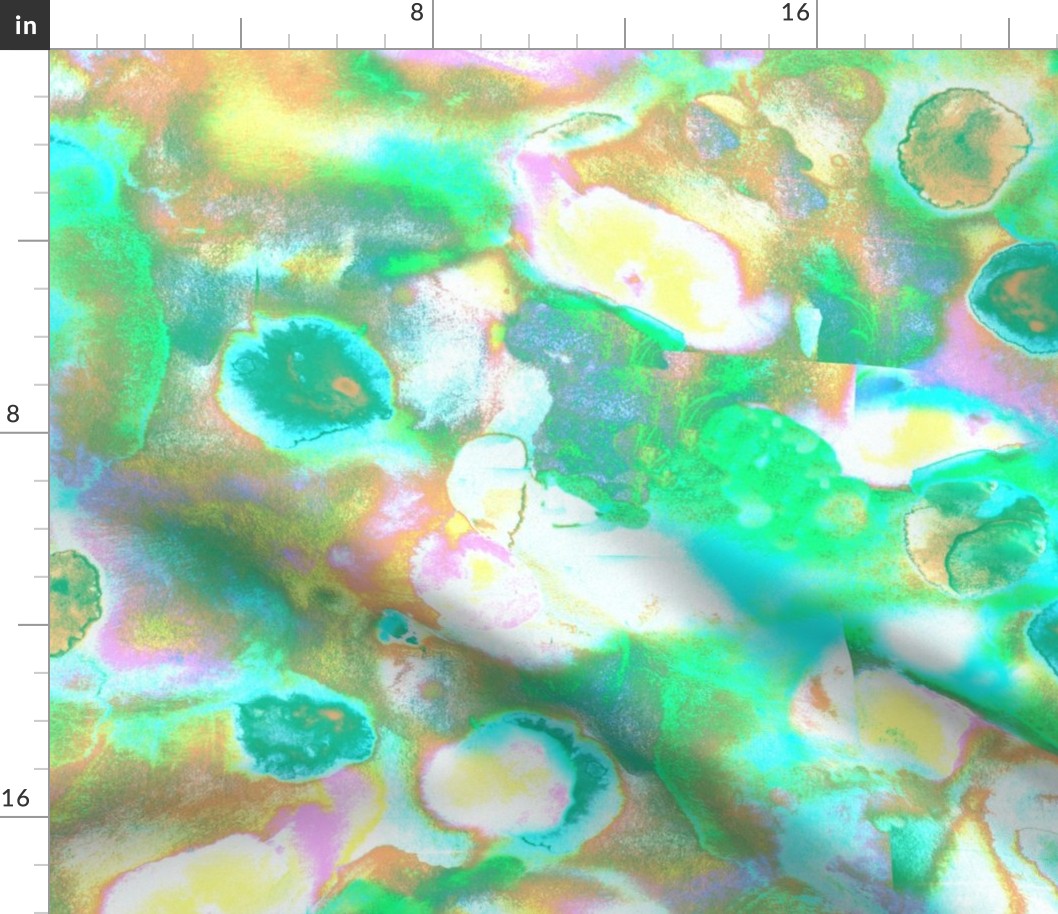
Water abstraction presents another fascinating avenue within this domain. Fluidity, transparency, and the play of light imbue the medium with an inherent symbolism. Water’s mutable nature mirrors the ephemeral and ever-changing landscape of the mind’s undercurrents. When translated into fabric design or large-scale installations, these water abstractions create immersive environments that stir an almost hypnotic contemplation. Textural interplay, from smooth gradients to rough, chaotic brushwork, manifests the invisible emotional currents beneath conscious control.
Ambiguity as a Creative Catalyst: The Role of Enigmatic Forms
Enigma is a cornerstone of surrealist abstraction. Unresolved shapes, obscured figures, and cryptic juxtapositions fuel an ongoing interpretive process. This deliberate ambiguity challenges the contemporary appetite for clarity and resolution. Rather than offering definitive answers, surrealist abstraction inhabits a liminal space, inviting viewers to embrace uncertainty and discover meaning through intuition and emotional resonance. The art becomes a metaphorical mirror, reflecting the fragmented and multifarious nature of the human psyche.
Through this lens, ambiguity is not a barrier but a gateway. It stimulates cognitive dissonance that compels sustained engagement, pushing the observer to oscillate between recognition and estrangement. The enigmatic configurations, which may be rooted in biomorphic or geometric abstraction, hint at subconscious archetypes or suppressed desires. This interplay between the known and unknown is essential to the alluring power of surrealist abstraction, making each encounter a unique and transformative experience.

The Psychological Resonance: Surrealist Abstraction as Inner Cartography
Beyond aesthetic appreciation, surrealist abstraction functions as a form of inner cartography, mapping the contours of psychological depth. The abstraction acts as a conduit between conscious awareness and the shadowy vastness of unconscious impulses. Viewers may sense an uncanny familiarity within the cryptic imagery, as if confronting fragments of their own psyche rendered visible. This resonance triggers introspection and emotional catharsis, elevating the experience from mere observation to personal revelation.
The dynamic tension between recognizable elements and amorphous abstractions mirrors the constant flux of identity and memory. Surrealist abstractions often evoke a sense of temporal dislocation, where past, present, and potential futures coalesce into a singular psychical landscape. This temporal ambiguity fosters a deeply immersive engagement, as the viewer’s psyche interacts with the artwork’s multilayered symbolism. It is here that art transcends its material bounds to become a potent vehicle for psychological exploration and healing.
The Cultural and Historical Inflections of Surrealist Abstraction
The roots of surrealist abstraction are deeply intertwined with the broader surrealist movement of the early 20th century, which sought to liberate human creativity from rational constraints. Influenced by Freudian psychoanalysis and dreams’ symbolic language, artists pioneered a radical approach that defied traditional aesthetics and narrative conventions. Over time, surrealist abstraction has evolved, embracing new technologies, cultural dialogues, and global perspectives.
Today, it thrives as a dynamic, pluralistic field. Contemporary artists reconfigure its visual vocabulary to address issues such as identity, existentialism, and environmental consciousness. The abstraction becomes a universal dialect, capable of communicating complex inner realities across diverse contexts. This continued evolution reflects surrealism’s enduring commitment to exploring the unseen dimensions of human experience—those elusive realms where the subconscious reveals itself most vividly.
In sum, surrealist abstraction is an extraordinary artistic practice that brilliantly manifests the invisible workings of the subconscious mind. Through enigmatic forms, rich textures, and evocative symbolism, it challenges perceptions and invites profound introspection. Whether through minimalist skull abstractions evoking mortality, fluid water-inspired patterns suggesting emotional fluidity, or cryptic compositions that embody ambiguity, surrealist abstraction opens portals to a world beyond logic.
This art form compels viewers to relinquish certainty, embrace mystery, and embark on a personal voyage into the depths of consciousness. It is an ever-unfolding narrative where art and psyche converge—resonating with the ineffable, enigmatic, and profoundly human experience of the subconscious made visible.


Leave a Comment