

In a world where headlines scream for attention and information floods our screens like a relentless tide, the art of seeing the news differently has never been more vital. The Surrealist’s Guide to the News is not just another digest of current events—it is a radical reimagining, a kaleidoscopic lens through which the mundane becomes magnificent, and the ordinary transforms into the extraordinary. This is not about skimming headlines; it’s about diving into the undercurrents of stories, uncovering the hidden poetry in political upheavals, and finding the surreal in the seemingly mundane. Prepare to have your perception shattered, your curiosity piqued, and your worldview expanded as we embark on a journey where news is not just read—it is experienced.
Imagine, if you will, a newspaper where the ink bleeds into dreams, where the layout is not a grid of facts but a constellation of ideas. This is the surrealist approach: a defiance of linearity, a celebration of the unexpected. It’s about seeing the news not as a series of disjointed events but as a tapestry of interconnected narratives, where a single headline can unravel into a labyrinth of meaning. The surrealist doesn’t just consume the news—they dance with it, twist it, and let it twist them in return. This guide is your invitation to do the same.
The News as a Canvas: Painting with Headlines
Every news story is a brushstroke on the vast canvas of reality. The surrealist doesn’t just observe the painting; they step into it, becoming both artist and subject. Take, for instance, a routine report on urban development. To the average reader, it’s a story about concrete and steel, zoning laws and economic growth. But to the surrealist, it’s a narrative about the collision of nature and human ambition, a modern-day myth where skyscrapers become the towers of Babel and green spaces are the last refuges of the wild. The language of news is not just informative—it’s poetic, if only we dare to read it that way.
Consider the way headlines are structured. They are designed to grab attention, to distill complex events into bite-sized provocations. But what if we treated them like haikus? What if we stripped them of their usual context and let them stand alone, like fragments of a larger, unseen poem? A headline like “Climate Protesters Disrupt Major Highway” becomes more than a statement of fact—it’s a clash of ideologies, a symphony of dissent, a moment frozen in the eternal struggle between progress and preservation. The surrealist sees the poetry in the protest, the rhythm in the riot, the melody in the march.
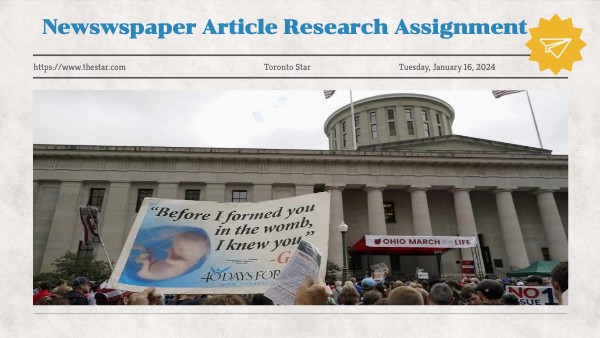
The surrealist approach to news is not about ignoring the facts—it’s about transcending them. It’s about asking not just “what happened?” but “what does it mean?” and “how does it feel?” A report on a political scandal isn’t just a sequence of events; it’s a dark comedy, a tragedy, a farce. The surrealist doesn’t just report the news—they interpret it, they embellish it, they let it seep into their subconscious until it emerges as something entirely new. This is the power of the surrealist lens: it turns the news from a static image into a living, breathing entity, pulsing with possibility.
The Hidden Symmetry: Finding Patterns in the Chaos
Surrealism thrives on the unexpected, the uncanny, the patterns that lurk beneath the surface of reality. The news, with its endless stream of events, is a treasure trove of hidden symmetries waiting to be discovered. The surrealist doesn’t just read the news—they play a game of connect-the-dots, drawing lines between seemingly unrelated stories to reveal the grand design beneath. A drought in one region, a sudden surge in immigration in another, a rise in food prices globally—these are not isolated incidents but threads in a larger, interconnected web of cause and effect.
Take, for example, the way economic trends mirror natural phenomena. A stock market crash can feel like an earthquake, a sudden and violent disruption of the status quo. A rise in unemployment might resemble a forest fire, spreading rapidly and leaving behind a landscape of desolation. The surrealist sees these parallels not as mere metaphors but as invitations to explore the deeper currents of human behavior. Why do markets fluctuate like tides? Why do societies collapse like sandcastles in a storm? The news provides the raw material; the surrealist provides the imagination to shape it into something profound.
This approach is not about finding conspiracy theories lurking in every headline—it’s about recognizing the inherent drama in the world around us. The surrealist sees the news as a script, a story waiting to be told, with heroes and villains, conflicts and resolutions. A political campaign isn’t just a race for power; it’s a Shakespearean tragedy, a Greek epic, a modern-day morality play. The surrealist doesn’t just follow the plot—they rewrite it, they reinterpret it, they let it evolve into something entirely their own.
To master the art of finding patterns in the chaos, the surrealist employs a technique they call “lateral reading.” This means looking beyond the obvious, searching for the threads that connect disparate stories. A report on a new AI breakthrough might seem unrelated to a story about a labor strike, but the surrealist sees the common thread: the tension between innovation and tradition, the fear of obsolescence, the eternal dance between man and machine. The news is not a series of isolated events—it’s a symphony, and the surrealist is the conductor, drawing out the hidden melodies.
The Language of Dreams: Decoding the Subtext of News
Surrealism is, at its core, a language of dreams. It speaks in symbols, in metaphors, in the language of the subconscious. The news, too, is a language of dreams—it’s not just what is reported, but how it’s reported, the subtext that lingers between the lines. The surrealist doesn’t just read the news; they decode it, they interpret it, they let it speak to them in the way dreams speak to the sleeping mind.
Consider the way news stories are framed. A protest is not just a gathering of people—it’s a “mob,” a “riot,” a “sea of humanity.” A political leader is not just a person—he’s a “strongman,” a “visionary,” a “tyrant.” The language of news is not neutral; it’s loaded with connotations, with biases, with the unspoken agendas of those who write it. The surrealist sees through this veneer of objectivity, recognizing the poetry in the propaganda, the art in the agenda-setting.
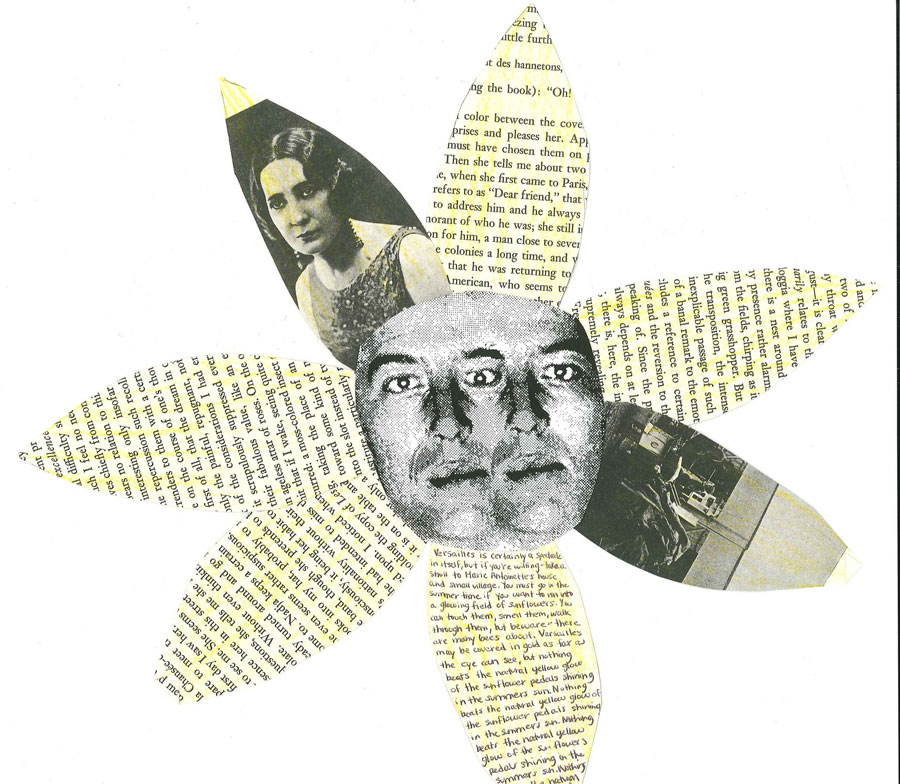
This decoding process is not about dismissing the news as mere fiction—it’s about embracing its inherent subjectivity. The surrealist sees the news as a collaborative work of art, a tapestry woven by journalists, politicians, and the public alike. A headline is not just a statement of fact; it’s an invitation to imagine, to interpret, to dream. The surrealist doesn’t just consume the news—they co-create it, adding their own layer of meaning, their own brushstroke to the canvas.
The language of dreams is also the language of the absurd. The surrealist revels in the contradictions, the ironies, the moments where reality seems to mock itself. A story about a politician promising transparency while surrounded by secrecy. A report on a company touting its environmental credentials while polluting the planet. These are not just contradictions—they are invitations to explore the deeper truths of human nature. The surrealist sees the absurd not as a flaw in the system but as a feature, a reminder that the world is not as orderly as we’d like to believe.
The Art of the Unseen: Elevating the Mundane to the Extraordinary
The surrealist’s greatest trick is to take the mundane and elevate it to the extraordinary. The news is full of such moments—stories that, on the surface, seem unremarkable but, upon closer inspection, reveal a hidden depth. A report on a local festival becomes a celebration of community, a microcosm of human connection. A story about a new bridge being built is not just about infrastructure—it’s about the way humans bridge divides, both literal and metaphorical. The surrealist sees the extraordinary in the everyday, the magic in the mundane.
This approach is not about ignoring the serious issues of the world—it’s about seeing them in a new light. A story about a natural disaster is not just a tale of destruction; it’s a testament to human resilience, a reminder of our fragility and our strength. A report on a scientific breakthrough is not just a story about progress; it’s a glimpse into the infinite possibilities of the human mind. The surrealist doesn’t just report the news—they transform it, they elevate it, they let it shine a light on the hidden corners of reality.
The art of the unseen is also about finding beauty in the unexpected. A photograph of a crowded subway car becomes a study in human density, a ballet of bodies moving in unison. A story about a new species discovered in the depths of the ocean is not just a scientific achievement—it’s a reminder of the vast, unexplored mysteries of our planet. The surrealist sees the world as a gallery of wonders, and the news is their guidebook to this endless exhibition.
To practice the art of the unseen, the surrealist employs a technique they call “slow reading.” This means taking the time to savor each story, to let it marinate in the mind, to see it from every angle. A headline about a new restaurant opening is not just a story about food—it’s a story about culture, about economics, about the way we nourish not just our bodies but our souls. The surrealist doesn’t just read the news—they live it, they breathe it, they let it become a part of their own personal mythology.
The Call to Action: Becoming a Surrealist in a Linear World
The surrealist’s guide to the news is not just a theoretical exercise—it’s a call to action. In a world that demands linearity, that rewards predictability, that punishes deviation, the surrealist dares to be different. They see the news not as a chore to be endured but as an adventure to be embraced. They don’t just consume the news—they engage with it, they play with it, they let it transform them.
To become a surrealist in a linear world, start by questioning the narratives presented to you. Don’t just accept the headlines at face value—dig deeper, ask why, seek the hidden meanings. Look for the patterns, the connections, the contradictions. Treat the news like a puzzle, a mystery, a work of art waiting to be interpreted. And most importantly, don’t be afraid to let your imagination run wild. The surrealist doesn’t just read the news—they rewrite it, they reinvent it, they let it become a part of their own personal mythos.
This is not about escaping reality—it’s about embracing it in all its chaotic, surreal glory. The news is not just a series of facts; it’s a story, a dream, a work of art. And you, dear reader, are not just a passive observer—you are a participant, a co-creator, a surrealist in your own right. So pick up the newspaper, turn on the news, scroll through your feed—and let the surrealist within you take the wheel. The world is waiting to be seen through a new lens. Are you ready to look?


Leave a Comment