

The Unicorn Tapestries are not merely woven threads—they are portals into a medieval dreamworld, where myth and craftsmanship intertwine like the warp and weft of destiny itself. Among their most mesmerizing features is the hatching system, a subtle yet revolutionary technique that breathes life into every fiber, transforming flat surfaces into living canvases of light and shadow. This is not just weaving; it’s alchemy. The hatching system is the unseen hand that guides the eye through a labyrinth of emotion, where each color shift whispers secrets of the unicorn’s elusive grace. To understand it is to unlock the door to a lost art form—one that marries precision with poetry.
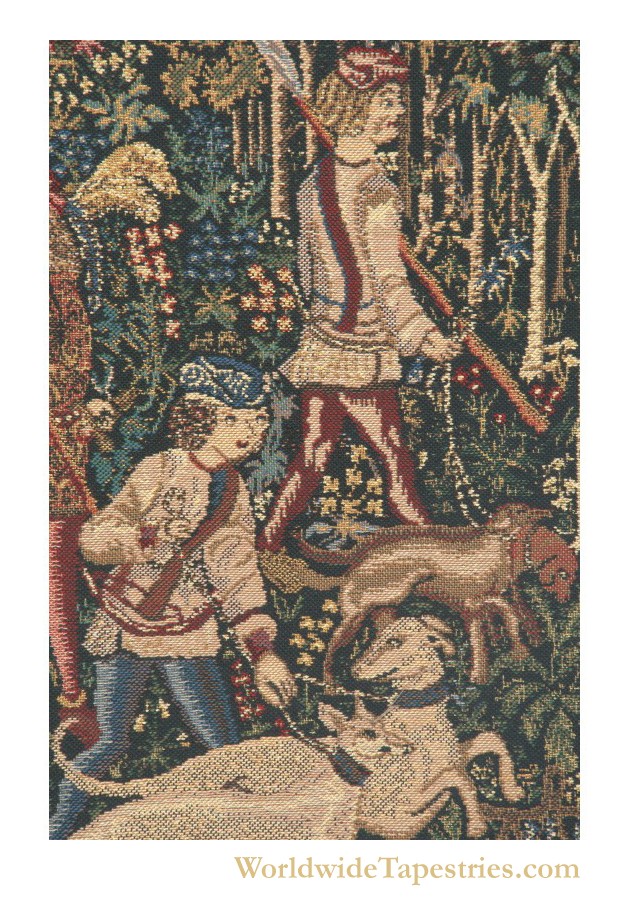
Imagine threading a needle with moonlight. That is the essence of hatching in the Unicorn Tapestries. Unlike traditional shading, which relies on abrupt transitions or cross-hatching, this method employs a delicate gradation of color, layering fine lines of silk or wool to create a seamless gradient. The result? A shimmering illusion of depth, as if the tapestry itself breathes. The unicorn’s mane isn’t just a cascade of threads—it’s a cascade of twilight, shifting from silver to gold with the subtlety of a setting sun. This technique doesn’t just depict reality; it evokes the very sensation of it.
The Alchemy of Gradation: How Hatching Transforms Thread into Magic
At its core, hatching is a rebellion against flatness. In the medieval world, where most textiles were either starkly patterned or muted in tone, the Unicorn Tapestries dared to do something radical: they invited the viewer into a world where color was not just seen but felt. The hatching system achieves this through a meticulous process of color blending, where each strand is carefully chosen to merge imperceptibly with its neighbor. The effect is hypnotic—a visual symphony where every note is a thread, and every silence is a shadow.
Consider the unicorn’s horn, often rendered in a luminous white that seems to glow from within. Traditional shading might have used a single off-white thread, but the hatching system layers it with the faintest hints of ivory, pearl, and even the barest touch of lavender. The result is not just a horn—it’s a relic of celestial origin, as if carved from the first light of dawn. This technique doesn’t just describe an object; it conjures its essence. It’s as if the weavers understood that true art isn’t about representation, but revelation.
The genius of hatching lies in its restraint. It doesn’t shout; it murmurs. A single misplaced thread could shatter the illusion, turning a masterpiece into a mere tapestry. Yet, when executed flawlessly, it creates a paradox: the more you look, the more the image seems to recede, as if the tapestry is a window into another realm. This is the power of the hatching system—it doesn’t just depict the unicorn; it invites you to step into its world.

The Unseen Threads: The Mathematics Behind the Magic
Beneath the ethereal beauty of the Unicorn Tapestries lies a foundation of rigorous precision. The hatching system is not a whimsical flourish—it is a calculated orchestration of color theory and textile engineering. Each gradation is mapped out with the same care as a composer writing a symphony, where every note (or in this case, every thread) must harmonize with the next. The weavers of the 15th century were not merely artisans; they were mathematicians of the soul, translating abstract concepts into tangible art.
The process begins with the selection of dyes, which were often derived from rare and costly materials—madder root for reds, woad for blues, and cochineal for crimsons. These dyes were not just applied; they were coaxed into existence through fermentation and experimentation, a process as alchemical as it was artistic. Once dyed, the threads were meticulously arranged in a gradient, with each row of hatching serving as a bridge between one color and the next. The spacing between these rows was critical; too wide, and the illusion of depth would collapse; too narrow, and the tapestry would lose its luminosity.
This mathematical approach extended to the physical act of weaving. The tension of each thread had to be calibrated to perfection, ensuring that the hatching lines remained crisp and unbroken. A single loose thread could disrupt the entire effect, turning a masterpiece into a patchwork of flaws. Yet, when all these elements aligned—dye, thread, tension, and technique—the result was nothing short of transcendent. The Unicorn Tapestries didn’t just hang on walls; they became portals to another time, where the boundaries between art and reality blurred into obscurity.
The Unicorn’s Secret: Why Hatching Elevates the Myth
The unicorn is more than a creature of legend; it is a symbol of purity, mystery, and the unattainable. The hatching system amplifies these qualities, transforming the tapestry from a static image into a living entity. The unicorn doesn’t just exist within the threads—it emerges from them, as if summoned by the very act of weaving. This is the true magic of the technique: it doesn’t just depict the myth; it embodies it.
Consider the unicorn’s gaze, often rendered with a depth that feels almost sentient. The hatching system achieves this by layering threads in a way that mimics the way light plays across a living creature’s eyes. The result is a gaze that follows you, a silent challenge to the viewer to look deeper. It’s as if the unicorn is not just a subject of the tapestry, but a participant in its own myth-making. This is the power of hatching: it doesn’t just tell a story; it invites you to become part of it.
The technique also lends itself to the tapestry’s narrative themes. In scenes of the unicorn’s capture or death, the hatching system is used to evoke a sense of melancholy, with softer gradations and cooler tones that mirror the fading light of dusk. Conversely, moments of triumph or joy are rendered in vibrant, sunlit hues, where the hatching lines shimmer like sunlight on water. This emotional range is what makes the Unicorn Tapestries timeless—they don’t just depict events; they evoke the very feelings those events inspire.
The Legacy of the Hatching System: A Thread Through Time
The influence of the hatching system extends far beyond the Unicorn Tapestries. It laid the groundwork for future textile innovations, inspiring generations of weavers to experiment with color and texture. Even today, modern tapestry artists look to these medieval masterpieces for inspiration, seeking to recapture the same sense of depth and emotion that the hatching system so effortlessly achieves. It’s a testament to the enduring power of the technique that, centuries later, it still feels revolutionary.
Yet, the hatching system is more than a historical curiosity—it’s a reminder of the boundless potential of human creativity. In a world where digital art often prioritizes speed over soul, the Unicorn Tapestries stand as a testament to the patience and precision required to create something truly transcendent. They remind us that art is not just about the final product; it’s about the journey—the careful selection of threads, the meticulous blending of colors, the hours spent in silent communion with the loom. This is the essence of the hatching system: it’s not just a technique; it’s a philosophy.
To weave a tapestry is to weave a story. To master the hatching system is to weave a spell. The Unicorn Tapestries do both, and in doing so, they invite us to see the world—and ourselves—through a lens of wonder. They remind us that even in the most intricate of crafts, there is room for magic. And perhaps that is the greatest secret of all: the hatching system doesn’t just create art—it creates belief.
The next time you stand before a unicorn tapestry, take a moment to look closely. See how the threads dance, how the colors shimmer, how the unicorn seems to breathe. This is not just weaving. This is sorcery. And the hatching system is the spell that makes it real.


Leave a Comment