

In the sprawling expanse of the global art scene, the allure of tiny art fairs continues to captivate collectors and enthusiasts alike. These intimate gatherings, often overshadowed by their colossal counterparts, seem to harbor a magnetic pull—a nuanced charm that goes beyond the mere transaction of artwork. As we stride into 2026, the tiny art fair remains a crucible of discovery, connection, and unfiltered artistic expression. What explains the fascination with these modest venues, and where should one look to engage with such events this year? Let’s embark on a detailed exploration of the tiny art fair landscape, uncovering where to buy in 2026 and why these miniature marketplaces matter more than ever.
The Compact Canvas: Why Tiny Art Fairs Resonate Deeply
It’s often remarked how tiny art fairs create an almost paradoxical experience—limited in scale but limitless in impact. The intimacy these fairs offer fosters an environment where art isn’t just displayed but almost breathed in by visitors. Unlike the overwhelming vastness of major shows, here, every piece tells a story that can be absorbed in a quiet moment of contemplation. Perhaps it is this very modesty that nudges art lovers to peer closer, pay more attention.
Beyond the aesthetic intimacy lies a potent economy of attention and interaction. The reduction in physical space sharpens focus. Exhibitors and collectors alike become participants in a nuanced dance—a dialogue about value, vision, and vulnerability. These fairs amplify the voices of artists who might otherwise remain subterranean in art’s vast ecosystem, presenting their works against a backdrop of personal connection rather than spectacle.
Art Karlsruhe 2026: The Enduring Pulse of a Pioneering Fair
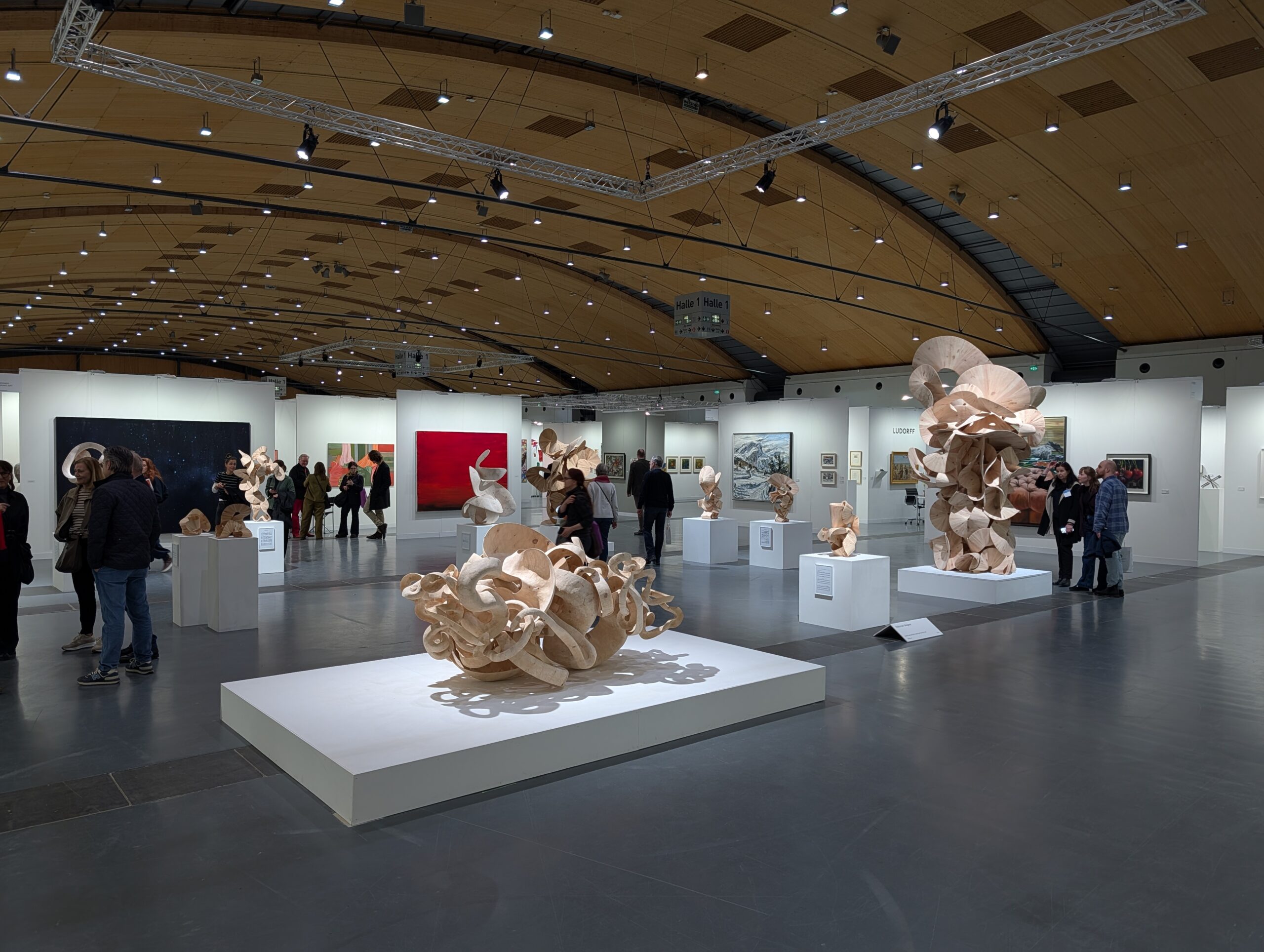
Since its inception, Art Karlsruhe has evolved significantly, yet it retains a certain intrinsic appeal that defies clear categorization. This fair’s 2026 iteration showcases why it still matters, solidifying its reputation as a beacon for those who cherish art beyond the trend-driven marketplace. Its scale remains restrained relative to mega fairs, inviting a discerning clientele to engage with modern and contemporary art from innovative galleries and artists.
What distinguishes Art Karlsruhe is its synthesis of tradition and avant-garde, making it a fertile breeding ground for emerging collectors and seasoned aficionados alike. Visitors often comment on the palpable sense of discovery—where a casual glance might reveal a nascent masterpiece, or a serendipitous encounter with a sculptor blossoming into a favorite figure. The fair’s atmosphere cultivates a rare authenticity amid an art world often criticized for commercial excess.
Inala Fair: Celebrating Community and Cultural Richness

Inala Fair, set within a vibrant community backdrop, embodies the spirit of local engagement with art. The 2026 event continues to draw not just buyers but families, neighbors, and artists who cherish the melding of creativity with cultural heritage. Unlike fairs that prioritize spectacle, Inala Fair feels more like a jubilant fête—where art is woven seamlessly into the fabric of everyday life.
This fair’s charm lies in its genuine inclusivity. Artists share their stories openly, often live, infusing their pieces with narrative texture that sparks deeper resonance. Patrons leave not merely with objects but with enriched understanding, having participated in a cycle of cultural transmission. For those wishing to invest in art that carries tangible social meaning, Inala Fair offers a potent portal.
Peer Inside This Tiny Art Fair: Hidden Gems and Bold Statements
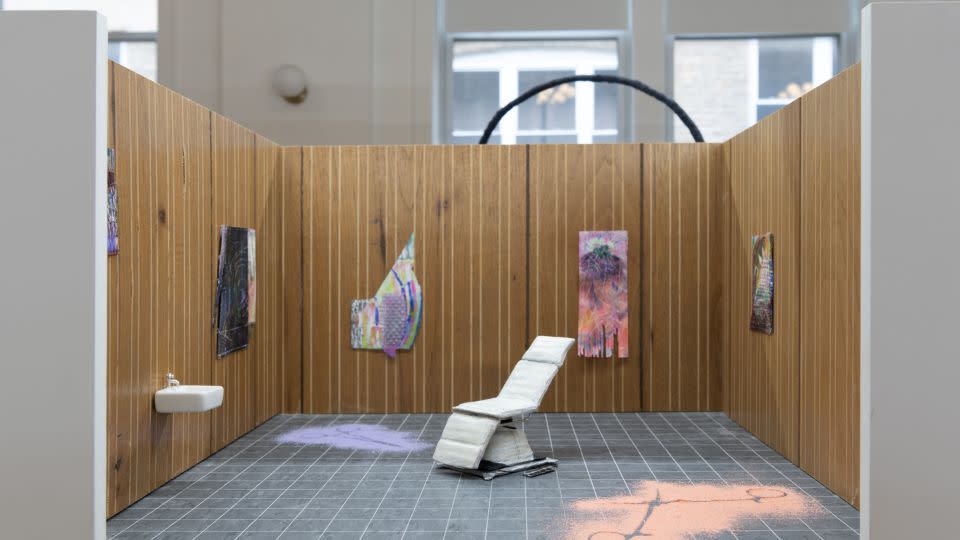
There exists a certain enchantment in stepping through the threshold of a tiny art fair where major artists reveal their quieter, often more experimental sides. These spaces serve as veritable laboratories for innovation—where emerging trends take root and established creators shed their usual veneers to present thought-provoking, bold statements.
In 2026, the tiny art fair is increasingly synonymous with discovery. Attendees frequently express the thrill of stumbling upon artworks that defy mainstream penetration. The walls here don’t just frame art; they frame narratives of risk, reinvention, and resilience. Investment in such fairs is less transactional and more participatory, inviting buyers to become custodians of evolving artistic legacies.
The Dynamics of Buying: How to Navigate Tiny Art Fairs in 2026
Purchasing art at tiny fairs demands a blend of intuition, research, and open-hearted dialogue. Unlike large fairs where the volume of works can be daunting, tiny fairs encourage slower exploration and meaningful interaction with artists and curators. Approach with curiosity—ask about intention, provenance, and process. Experience suggests that such conversations often unlock value that transcends mere market price.
2026 sees a burgeoning integration of digital tools even within intimate fairs. Virtual previews and augmented reality assist collectors craving pre-event familiarization, helping them prioritize and plan selectively. However, the undeniable magic of witnessing original artworks in situ remains the anchor of the tiny fair experience.
Moreover, these fairs often foster connections extending beyond purchase—studio visits, artist talks, and follow-up commissions are commonplace. This continuity nurtures relationships that can define one’s collecting journey for decades.
Looking Ahead: The Future of Tiny Art Fairs
Little signs point to the waning of tiny art fairs anytime soon. If anything, their necessity grows—offering refuge from saturation, a spotlight for underrepresented voices, and a haven for those seeking authenticity in art. Their compactness will continue to nurture ecosystems where experimentation thrives and where art remains intimately human rather than industrialized.
In the age of rapid digital saturation and fleeting attention, tiny art fairs remind us that true engagement requires proximity, patience, and passion. As 2026 unfolds, these fairs promise to be not just marketplaces, but sanctuaries for those who see art as a dialogue—and buying at such fairs as an act of meaningful participation.
In summation, the tiny art fair is a potent paradox. Small in scale yet expansive in influence. Modest in setting but grand in potential. 2026 offers ample opportunities to dive into these vibrant worlds—whether in the established halls of Art Karlsruhe, the community-rich lanes of Inala Fair, or the eclectic gatherings where major artists reveal their inner impulses. These fairs invite us to look closer, listen deeper, and ultimately buy not just art, but a piece of a larger, living narrative.


Leave a Comment