

In the evolving landscape of visual culture, portraiture in 2026 occupies a curious junction—a nexus where familiarity entwines with estrangement, creating a poignant tension that captivates the beholder. This phenomenon, often described as the “uncanny valley of the self,” evokes an uneasy fascination as images approach realism yet diverge subtly enough to unsettle. It is a space not merely of likeness but of psychological depth, where the self is both revealed and refracted through layers of artistic interpretation and technological mediation. The persistence of our fixation on this warped mirror reveals a deeper yearning: to understand identity, presence, and the uncanny liminality between human and artificial representation.
The Emergence of the Uncanny in Contemporary Portraiture
The uncanny valley, a term originally coined in robotics and computer animation, aptly describes the discomfort elicited when a humanoid object almost—but not quite—appears human. Portraiture today harnesses this dynamic, crafting images that hover just beyond the threshold of authentic depiction. This evolving aesthetic is not a mere byproduct of advancements in digital rendering or hyperrealistic techniques; it is a deliberate exploration into the fraught relationship between self-perception and external representation.
Artists and photographers increasingly deploy techniques that blend the hyperreal with subtle distortions—minute aberrations in gaze, skin texture, or anatomical proportion—to provoke a lingering sense of disquiet alongside familiarity. This tension invites viewers to confront the fragile boundary separating the real from the imagined, a boundary that is profoundly relevant in an age saturated with digital avatars and synthetic identities. The uncanny valley of the self challenges us to reconsider what it means to be present in an image and how identity can be fractured and reconstructed through visual art.

Technological Mediation and the Shifting Self
Advances in imaging technology, AI-driven enhancements, and augmented reality tools have expanded the artist’s palette beyond traditional mediums. These tools facilitate the creation of portraits that layer reality with synthetic elements, orchestrating a complex interplay between the authentic self and its artificial doppelgänger. This mediation is key to understanding the modern uncanny valley of portraiture: it is not merely about likeness, but about how technology reframes and often fragments the notion of selfhood.
The proliferation of virtual environments and social media profiles has multiplied the selves we inhabit. Portraiture now contends with these multifaceted identities, often symbolizing hybrid avatars that straddle corporeal presence and digital abstraction. Through techniques like deep learning facial re-synthesis or algorithmic makeup application, images may mirror the subject perfectly yet betray something beyond the tactile reality—a spectral semblance or ghostly echo that hints at the mechanization of identity.
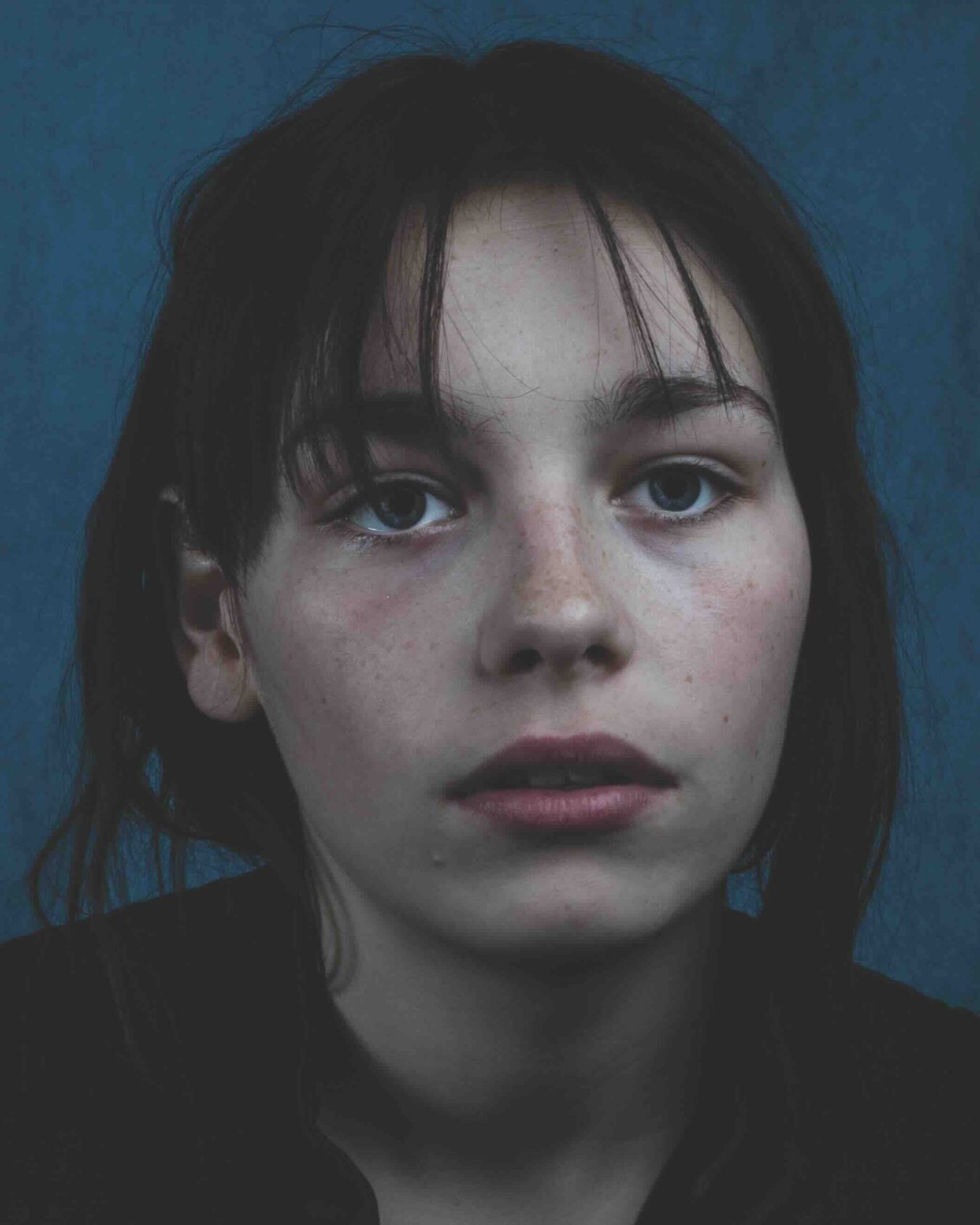
The Psychological Resonance Behind the Fascination
Why does the uncanny valley grip our attention so persistently in the realm of self-portraiture? The answer lies not just in visual intrigue but in a deep-seated psychological resonance. Human beings are wired to detect anomalies in familiar patterns—especially faces—because they serve as crucial communication tools. When the brain encounters an image that is almost human but subtly off, it triggers complex emotional responses ranging from empathy to aversion.
Portraiture exploiting this tension taps into our existential anxieties about presence, mortality, and the mutable nature of identity. The fractured self, presented through uncanny imagery, becomes a metaphor for the fragmented experience of contemporary life—where boundaries between physical and virtual selves blur, and authenticity is perpetually renegotiated. This makes each portrait not just a depiction but a site of cognitive and emotional engagement, inviting viewers to interrogate their own understandings of personhood and embodiment.
The Role of Surrealism and Dreamlike Aesthetics
Artists increasingly incorporate surreal and dreamlike elements to amplify the uncanny effect within portraiture. By introducing mystical motifs and distorted realities—such as blending animalistic features or altering facial structures—they evoke a liminal realm between the ordinary and the phantasmal. This not only intensifies the sense of otherness but also enriches the portrait’s narrative complexity.
Such surrealism functions as a conduit to explore subconscious fears and desires. The mystifying goat’s visage, the ethereal distortion of human features—all serve as symbolic gestures toward the self’s polymorphic nature. These artistic strategies underscore that the uncanny valley of the self is not a mere visual oddity but a profound expression of identity’s elusive and protean qualities in the 21st century.

Future Trajectories: Toward a Post-Human Portraiture
The trajectory of portraiture appears poised to venture deeper into the territory where human, machine, and imagination collide. As AI becomes more adept at crafting images indistinguishable from reality—yet tinged with subtle distortions—the uncanny valley will simultaneously narrow and expand, cultivating new artistic modes and philosophical inquiries. Portraiture in 2026 is not merely about capturing the visage; it is about interrogating the essence of identity itself amidst a kaleidoscope of shifting technological and cultural paradigms.
In this burgeoning era, the self cannot be confined to a stable, monolithic image. Portraits will continue to serve as dynamic interfaces between individual subjectivity and collective cultural consciousness, weaving narratives that both mirror and distort reality. This metamorphosis invites an ongoing dialogue—one where viewers and creators alike must navigate the complex emotional topography of the uncanny valley, fostering a richer understanding of what it means to be human, or post-human, on the digital frontier.
Ultimately, the uncanny valley of the self in portraiture reflects a profound cultural moment. It evokes the simultaneous desire to recognize ourselves and the creeping awareness that our images might house something eerily other. It is this dialectic—between connection and estrangement, reality and simulation—that ensures portraiture remains a vital canvas upon which the mysteries of identity continue to be both rendered and unraveled.


Leave a Comment