

In the vast panorama of contemporary art, a compelling and somewhat disquieting resurgence has begun to unfold within the realm of figurative painting. This new wave, far from nostalgic replication, challenges traditional aesthetics and beckons viewers into a labyrinth of unsettling imagery and profound psychological undercurrents. It promises not just a shift in perspective, but an invitation to interrogate what it means to see and to be seen in an era saturated with digital detachment. The unsettling new wave of figurative painting is not merely about form or technique; it is a bold exploration that piques curiosity and forces a re-examination of identity, reality, and the human condition.
The Resurgence of Figurative Painting: A Complex Revival
Once perceived as a relic overshadowed by abstraction and conceptual art, figurative painting is now experiencing a renaissance marked by complexity and innovation. This resurgence eschews the polished, idyllic representations of yesteryear, instead embracing distortion, ambiguity, and eeriness. Artists are increasingly drawn to the figure—not as a mere vessel of human form—but as a conduit for exploring existential angst, subconscious fears, and societal fractures.
Unlike the hyper-realistic tendencies of earlier figurative work, these new painters opt for a visceral immediacy that unsettles as much as it captivates. Deliberate awkwardness in posture, fragmented anatomy, and unnerving facial expressions become signatures rather than anomalies. This technique subverts expectation and refuses facile comprehension, compelling viewers to confront discomfort as an entry point to deeper understanding.

Psychological Intricacies: Faces and Figures that Speak in Shadows
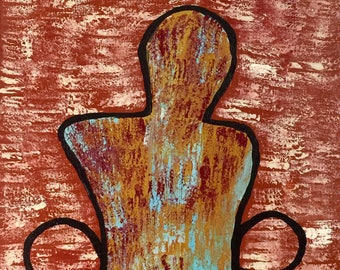
At the heart of this movement lies the potent utility of the human face and body as psychological landscapes. Artists studiously manipulate expression and form to evoke unease—eyes that avoid the gaze, mouths frozen in ambiguous half-smiles, limbs contorted beyond natural possibility. These elements conjure an immersive experience where the familiar morphs into the uncanny, activating the viewer’s subconscious fears and curiosities.
This psychological dimension taps into a spectrum of latent anxieties: alienation within hyper-connected societies, the fragmentation of identity, and the pervasive sense of invisibility despite constant exposure. The figures are not merely portraits; they become mirrors reflecting the fragmented self. Their ambiguity fosters a dialogue, an unspoken narrative rich with existential tension that invites viewers to explore their own internal dissonance.
Formal Innovations: Melding Tradition with Disruption
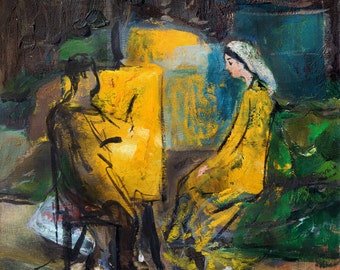
While firmly rooted in the traditions of figurative representation, this emergent wave pioneers formal innovations that rupture conventions. Brushwork alternates between meticulous detail and frenetic abstraction, where sections of canvas dissolve into chaos. Color palettes oscillate between muted, oppressive tones and sudden bursts of chromatic dissonance, further intensifying the unsettling atmosphere.
The interplay of light and shadow is manipulated beyond classical chiaroscuro, casting figures into liminal spaces where identity and environment blur. This treatment underlines the disintegrating boundaries between self and other, reality and nightmare. Such formal experimentation heightens the emotional resonance, making the artwork a dynamic, breathing entity that eludes static interpretation.
Cultural Context: A Mirror to Contemporary Anxieties
This unsettling new figurative movement cannot be divorced from the cultural and sociopolitical tumult of the present day. In a world rife with uncertainty—marked by rapid technological change, political polarization, and ecological crisis—these paintings capture collective unease. They offer no reassurance; instead, they hold a mirror to societal fractures, reflecting the psychological toll of living through turbulent times.
Moreover, the resurgence can be seen as a response to the dominance of digital imagery and curated identities. By foregrounding flawed, distorted human forms, these artists confront the sanitized, filtered visuals proliferating on social media. The works assert the necessity of embracing imperfection, complexity, and vulnerability in an age obsessed with perfection and superficiality.
Invitation to Contemplation: The Viewer’s Active Role
The unsettling nature of these works demands active engagement. They are not passive decorations but provocative stimuli that implicate the viewer in the conversation. Each distorted face, each fractured body, is a cipher waiting to be decoded—a portal into hidden narratives and suppressed emotions.
This participatory aspect elevates the viewing experience into a form of existential inquiry. It challenges the audience to shed complacency and exercise empathy, seeing beyond surface discomfort to the human truths embedded within. In this way, the new wave of figurative painting transcends mere aesthetic delight, becoming a catalyst for personal and collective reflection.
Conclusion: A Bold Horizon in Figurative Art
The unsettling new wave of figurative painting heralds a bold horizon in contemporary art—one where distortion and discomfort are not liabilities but potent tools. This movement invigorates the genre with a fresh urgency and an unflinching gaze into the complexities of modern existence. It challenges perception, piques curiosity, and ultimately redefines how we engage with the human form on canvas.
By inhabiting a space between recognition and alienation, clarity and ambiguity, these works promise not just a shift in artistic perspective but a profound invitation: to embrace the unknown, to confront the unsettling, and to discover a renewed language for the human spirit. As this new wave continues to evolve, it will doubtless provoke debate, inspire awe, and deepen our collective understanding of what it means to be human in an uncertain world.


Leave a Comment