

The Venice Biennale 2026 is not just another edition of the world’s oldest and most prestigious art exhibition—it is a sonic shift, a deliberate descent into the undercurrents of artistic expression. Titled In Minor Keys, this iteration promises to unravel the symphony of subtlety, the poetry of restraint, and the raw power of what lies beneath the surface. Forget the crescendos of spectacle; this is an invitation to attune your senses to the whispers, the hesitations, and the unspoken harmonies that define the human experience. As the curtain rises on this grand stage, the Biennale dares us to listen closer, to feel deeper, and to embrace the beauty of the incomplete, the unresolved, and the quietly profound.
Art, in its purest form, has always been a dialogue between the seen and the unseen. The Venice Biennale, with its labyrinthine pavilions and labyrinthine ideas, has long been the stage for this conversation. But in 2026, the script is rewritten. The theme In Minor Keys is not merely a title—it is a manifesto. It signals a departure from the dominant narratives of grandeur and spectacle, instead urging artists and audiences alike to explore the margins, the shadows, and the spaces where meaning lingers just out of reach. This is not an exhibition of bold declarations but of delicate revelations, where each piece is a note in a larger, more intricate composition.
The Curatorial Vision: A Symphony of Subtlety
The curatorial team behind In Minor Keys has crafted a vision that is as much about absence as it is about presence. The theme itself is a musical metaphor, evoking the minor scale—a structure that, despite its perceived melancholy, holds a depth of emotion and complexity that major keys often cannot. This is not a Biennale of exuberance but of introspection, where the artworks are not meant to shout but to murmur, to resonate in the quiet corners of the mind long after the viewer has moved on.
At its core, the curatorial approach is a rejection of the tyranny of the obvious. Instead of grand installations that demand attention, the Biennale will feature works that invite contemplation, that play with ambiguity, and that challenge the viewer to fill in the blanks. This is an exhibition where silence is not the absence of sound but a deliberate compositional choice. The artists selected for this edition are those who understand the power of restraint, who see beauty in the incomplete, and who believe that art’s true magic lies in what it does not say.
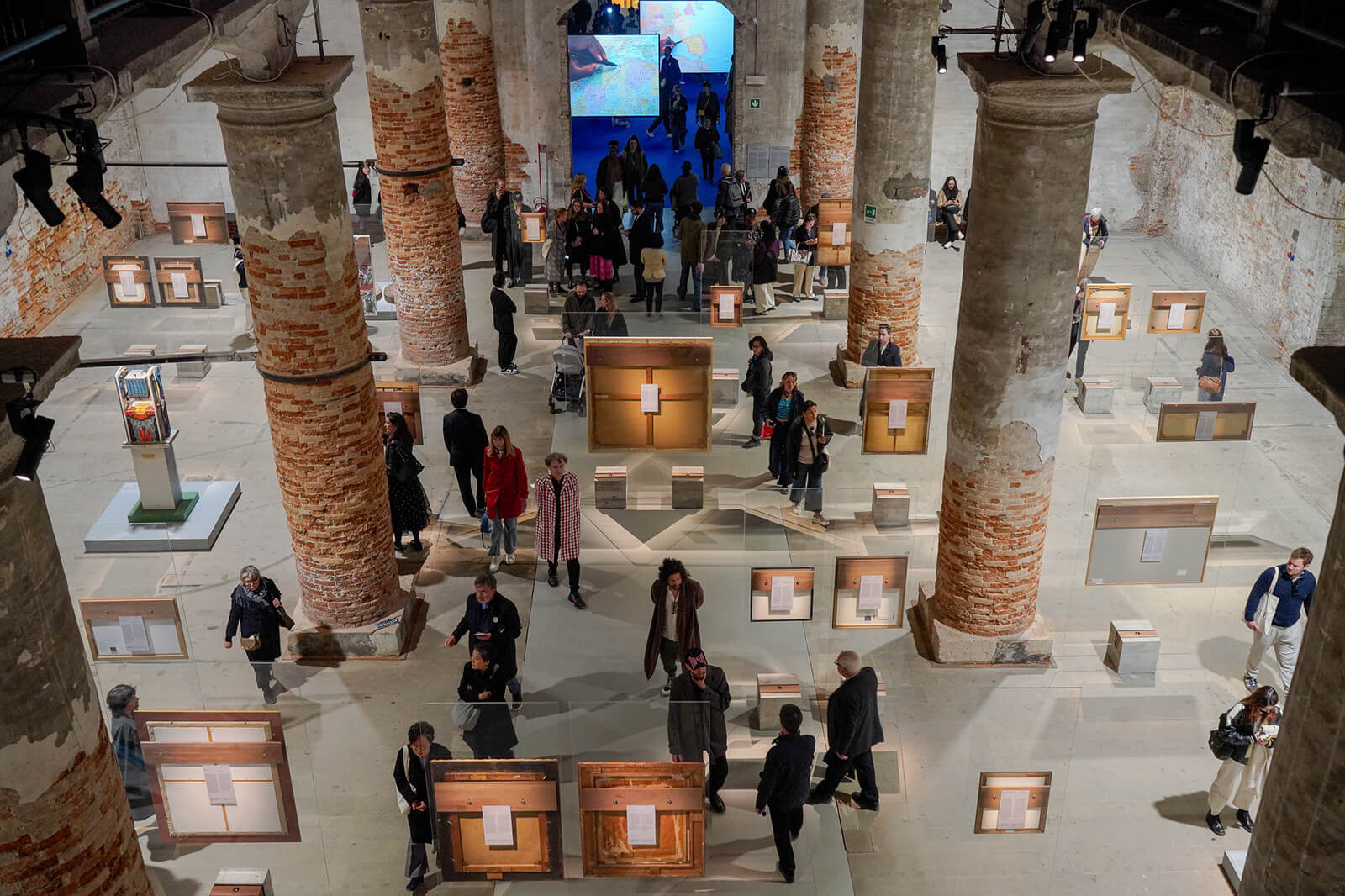
The pavilions themselves will be transformed into spaces of sonic and visual hush. Lighting will be subdued, textures will be tactile yet understated, and the flow of visitors will be guided not by the need for spectacle but by the desire for discovery. The Biennale’s historic venues, from the Giardini to the Arsenale, will become chambers of resonance, where each artwork is a note in a larger, evolving symphony.
The Artists: Masters of the Unspoken
The roster of artists participating in In Minor Keys reads like a who’s who of those who have mastered the art of the unsaid. These are creators who understand that the most powerful statements are often those that leave room for interpretation, who see the blank canvas not as a void but as an invitation. Among them are painters who work in monochrome palettes, sculptors who craft forms that seem to dissolve into their surroundings, and installation artists who play with negative space in ways that feel almost spiritual.
One can imagine the works of these artists as variations on a theme, each exploring the minor key in its own way. There will be pieces that evoke the quiet despair of a rainy afternoon, others that capture the fleeting joy of a moment shared in silence, and still more that delve into the existential weight of solitude. The artists have been chosen not just for their technical skill but for their ability to evoke emotion without resorting to bombast. Their works are not meant to be consumed at a glance but to be experienced, to be revisited, to be lived with.
This is also an exhibition that embraces the ephemeral. Expect to see works that are fragile, transient, or even invisible—pieces that exist only in the mind of the viewer or that rely on the passage of time to reveal their full meaning. The Biennale will be a place where art is not just observed but felt, where the boundaries between the physical and the metaphysical blur, and where the act of looking becomes an act of listening.
The Experience: A Journey Through the Uncharted
To walk through the Venice Biennale 2026 is to embark on a journey that is as much about the self as it is about the art. The experience is designed to be immersive, not in the sense of overwhelming the senses but in the sense of drawing the visitor inward. The layout of the exhibition will be nonlinear, encouraging meandering and serendipitous discovery. There will be no prescribed path, no map to follow—only the gentle guidance of the artworks themselves.
The venues will be transformed into labyrinths of light and shadow, where each turn reveals a new layer of meaning. The Giardini’s historic pavilions will house works that play with scale and perspective, making the familiar feel strange and the strange feel intimate. The Arsenale, with its vast, industrial spaces, will become a cathedral of quietude, where large-scale installations echo the vastness of the human condition. Even the canals of Venice will play a role, with floating artworks that drift like memories, visible only from certain angles or at specific times of day.
This is an exhibition that demands patience. There will be no rush to see everything, no checklist to complete. Instead, the Biennale invites visitors to slow down, to pause, to breathe. The artworks are not meant to be rushed past but to be lingered over, to be returned to, to be puzzled over. The curators have designed the experience to be meditative, a respite from the noise of the modern world, a place where one can reconnect with the inner self.
The Legacy: A New Language for Art
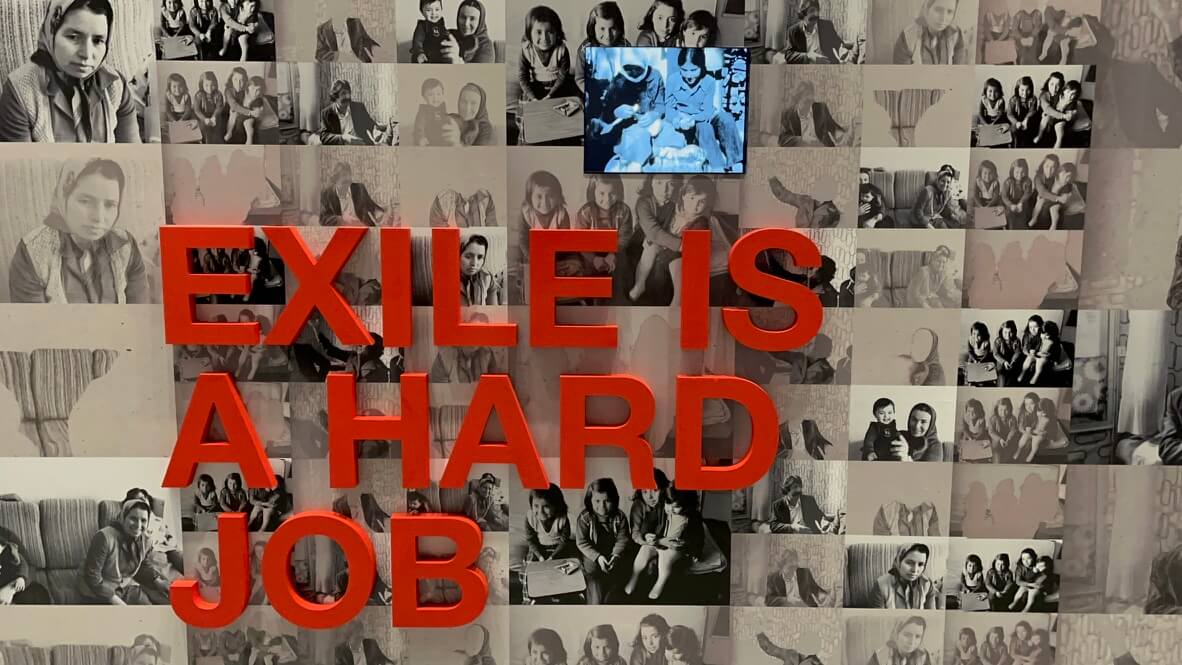
The Venice Biennale 2026 is more than an event—it is a statement. It is a declaration that art does not always need to be loud to be powerful, that subtlety can be just as revolutionary as spectacle, and that the most profound experiences often lie in the spaces between the notes. This Biennale will leave a legacy not just in the artworks it showcases but in the way it challenges our expectations of what art can be.
For artists, In Minor Keys offers a new language, one that values nuance, ambiguity, and the unspoken. It is an invitation to explore the edges of their craft, to push the boundaries of what is considered “art,” and to trust in the intelligence and sensitivity of their audience. For audiences, it is a chance to rediscover the joy of looking, of listening, of feeling. It is a reminder that art is not just something to be consumed but something to be experienced, something to be lived with.
The Biennale’s impact will extend far beyond its physical venues. It will inspire conversations, spark debates, and perhaps even shift the course of contemporary art. It will challenge curators to rethink their approaches, collectors to reconsider their acquisitions, and critics to refine their language. Most importantly, it will invite a new generation of artists and art lovers to embrace the power of the minor, the subtle, and the unseen.
The Venice Biennale 2026 is not just an exhibition—it is a promise. A promise to see the world differently, to listen to the quiet voices, to find beauty in the margins. It is an invitation to step into the minor keys and discover the harmony that lies within. As the lights dim and the whispers of the artworks fill the air, one thing becomes clear: this is not just a Biennale. This is a revelation.


Leave a Comment