

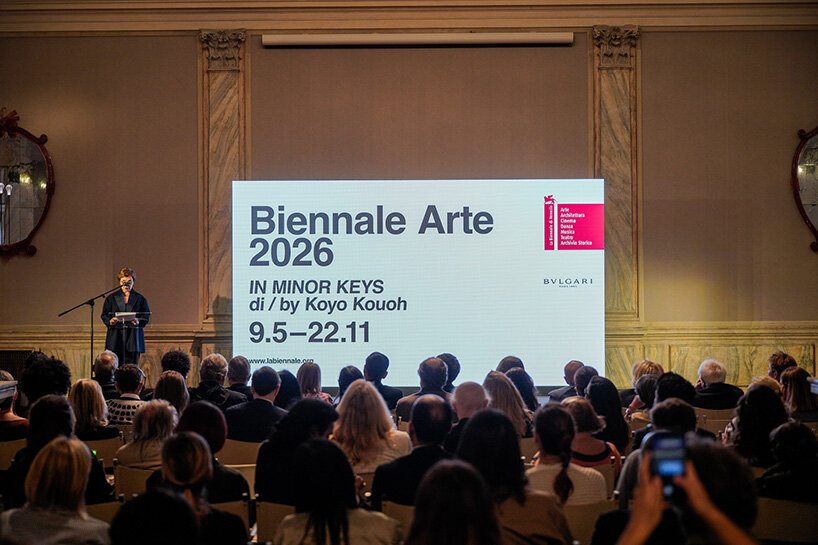
The art world is often captivated by themes that echo through time, resonating with collective psyches and undercurrents of human experience. One such thematic beacon is the Venice Biennale’s 2026 marquee, “In Minor Keys.” This evocative theme promises to reshape gallery exhibitions far beyond its initial unveiling, casting a nuanced glow over the trajectory of curatorial practices well into 2027. The “Venice Effect”—a term coined to describe the ripple of influence emanating from Venice’s artistic epicenter—reveals how subtle tonalities, familiar yet elusive, compel both artists and audiences toward deeper engagement. But why does this minor-key motif strike such a universal chord? And how will it sculpt the aesthetic ethos of future galleries? Let’s embark on a journey through the intricate symphony of “In Minor Keys” and its transformative implications.
Decoding the Fascination: The Allure of “Minor Keys” in Art
To the untrained eye, “minor keys” might evoke straightforward musical associations—melancholy, introspection, or melancholy undertones. Yet, in the realm of visual expression, it signifies a broader metaphorical canvas. The term gestures toward subtle tensions, nuanced emotions, and an exploration of shadows instead of mere light. This speaks to a prevailing observation: there is an insatiable thirst for art that resists grandiosity and instead immerses viewers in complexity and enigma.
The appeal, then, lies in the magnetic pull of the understated. Galleries that once championed bold, overt narratives now increasingly embrace art that murmurs rather than shouts, inviting viewers to inhabit a space where ambiguity reigns. This shift hints at deeper reasons behind our collective fascination—a yearning for vulnerability, quiet contemplation, and the gray areas of human experience often overlooked in contemporary culture.
The Venice Effect: Curatorial Impacts and Gallery Evolution
The Venice Biennale functions as a crucible for artistic innovation, setting trends that manifest globally. As the “In Minor Keys” theme permeates, galleries are poised to evolve dramatically in terms of both content and presentation. Expect a recalibration toward exhibitions that privilege intricacy over immediacy, mood over motif. Curators will seek works that engage through subtle interplay—light and shadow, color gradations, and spatial tension—crafting immersive environments that demand slow, deliberate viewing.
This recalibration also challenges conventional modes of storytelling within exhibition spaces. Narrative linearity gives way to fragmented, poetic expressions. Installations may utilize dimmer lighting or subdued palettes, creating atmospheres that evoke the somber yet rich tonalities inherent in minor keys.
Artistic Expression: From Melancholy to Mystique
Artists responding to this theme probe emotional depths. Their creations often reflect liminality—moments suspended between despair and hope, clarity and obscurity. This emotional ambivalence resonates with contemporary sensibilities shaped by global tensions and uncertainties. The evocation of minor keys in art allows for explorations of loss, memory, and even political undercurrents without descending into didacticism.
Moreover, the theme catalyzes interdisciplinary approaches. Music, literature, and visual arts intermingle, elevating multisensory experiences. It encourages artists to experiment with form, texture, and improvisation, expanding the palette of human expression in contemporary galleries. Thus, this minor key is not simply a tone; it is a dynamic, evolving language that dialogues with myriad cultural and existential questions.
Audience Reception: The Power of Subtlety
Visitors to exhibitions inspired by “In Minor Keys” often experience a shift in perception. The subliminal atmospheres compel a slower pace, encouraging moments of introspection. The galleries transform from mere viewing spaces into sanctuaries of quietude and reflection. This deeper engagement is paradoxically both challenging and comforting, offering a respite from the barrage of overstimulation prevalent in daily life.
The communal experience within these spaces also takes on new dimensions. Shared silence replaces the traditional conversational roar. Audiences bond over unspoken emotions, united by the tension and release characteristic of the minor mode. The “Venice Effect,” therefore, is as much about transforming the spectator’s psychology as it is about redefining artistic norms.
Beyond Venice: The Ripples Leading Up to 2027
The resonance of “In Minor Keys” will not remain confined to Venice or even to 2026 alone. As galleries worldwide absorb this influence, the theme’s echoes will manifest throughout 2027, shaping exhibition programming, commissioning practices, and artist residencies. Museums might adopt more thematic approaches focused on nuance and complexity, fostering continuous dialogues with audiences about the emotional undercurrents latent in art.
Commercial galleries, too, might pivot toward works that challenge traditional notions of beauty and immediacy, embracing pieces that reward sustained contemplation. These shifts could redefine market dynamics, with collectors valuing emotional resonance and conceptual depth over spectacle.
Conclusion: Embracing the Subtle Symphony of Minor Keys
The Venice Biennale’s visionary theme “In Minor Keys” is poised to engender profound transformation across global galleries and artistic communities. It beckons a collective reorientation toward subtlety, complexity, and introspection—qualities often eclipsed by the glare of overt expression. This is the “Venice Effect” incarnate: a quiet yet powerful manifestation of how art navigates the intricate terrains of human emotion and cultural identity.
As 2027 unfolds, galleries shaped by this ethos will offer audiences experiences that linger long after leaving the exhibition space—an enduring reminder that sometimes, the most profound truths resonate not in major chords but in the delicate harmonies of minor keys.


Leave a Comment