

Picture this: You’re hunched over your DAW, eyes darting between a muddy bassline and a piercing vocal, tweaking knobs like a mad scientist. Every EQ adjustment feels like a shot in the dark—boost here, cut there, hoping for the best. But what if I told you there’s a secret weapon, a volume-match hack that could rewrite your entire approach to EQ? This isn’t just another mixing trick. It’s a paradigm shift, a sonic epiphany that will make your decisions feel effortless and your mixes feel alive.
Imagine EQing with the precision of a surgeon, where every cut and boost is backed by unshakable logic. No more guessing. No more second-guessing. Just pure, unadulterated clarity. That’s the power of volume-matching. It’s the difference between stabbing in the dark and walking through a well-lit studio with a map in hand. Ready to see sound like you’ve never seen it before? Let’s dive in.
The Silent Saboteur in Your Mixes: Why Your Ears Lie to You
Your ears are magnificent, but they’re also traitors. They lie to you in the most insidious ways. When you boost a frequency, your brain perceives it as louder, even if the actual volume hasn’t changed. Conversely, when you cut a frequency, it feels quieter, even if the decibels remain identical. This phenomenon, known as the Fletcher-Munson effect, is the reason your mixes sound brilliant in your studio but fall apart on a phone speaker.
But here’s the kicker: volume-matching neutralizes this deception. By ensuring the perceived loudness of a sound remains constant before and after EQ adjustments, you strip away the illusion. No more chasing phantom loudness. No more mistaking a boost for a fix. Just raw, unfiltered truth. It’s like turning on the lights in a room you’ve been fumbling around in for years.
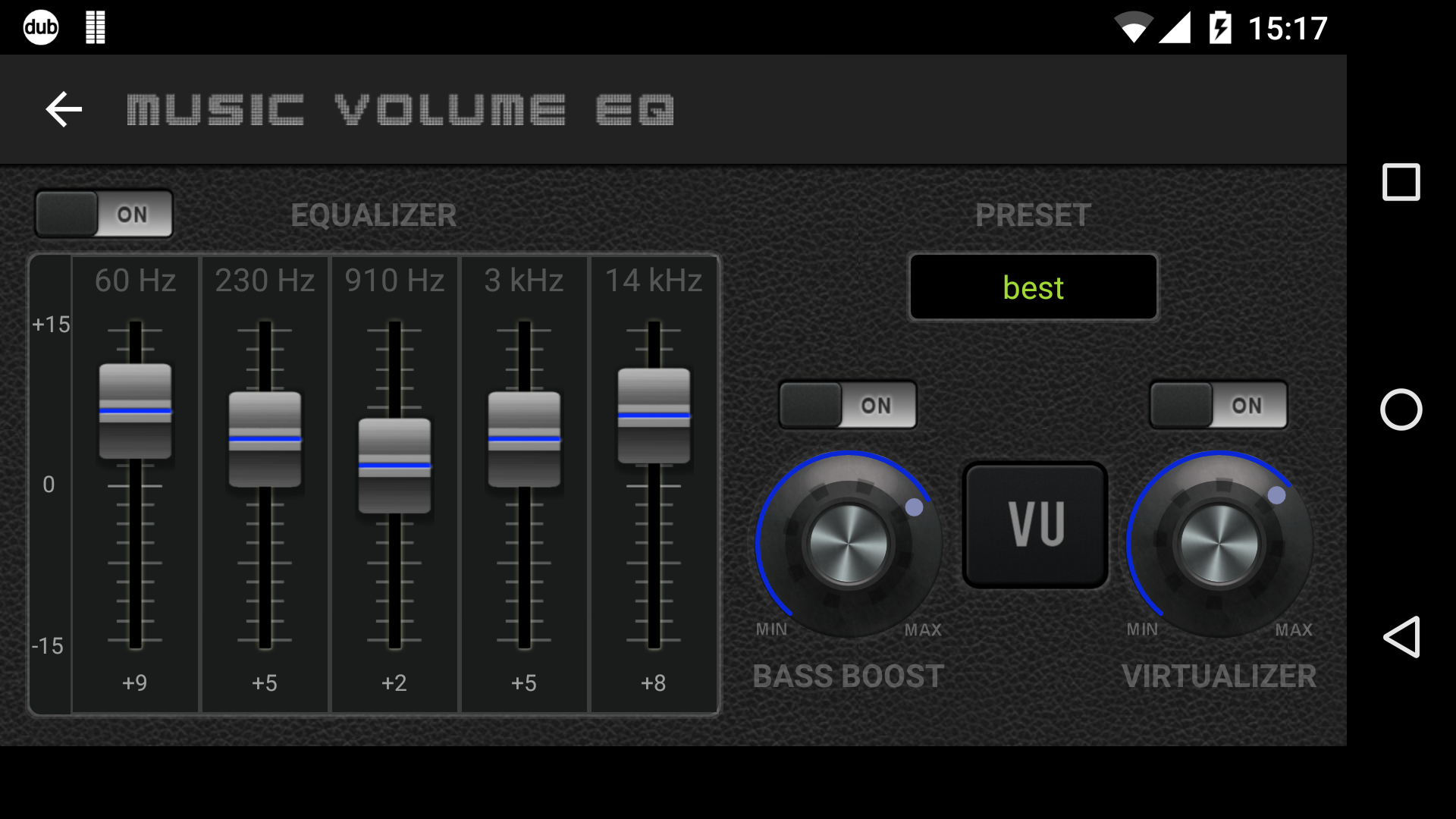
The Volume-Match Hack: How to Turn Your EQ into a Precision Instrument
The hack is disarmingly simple: before you touch a single EQ knob, you match the volume of the track you’re working on to a reference point. Most DAWs let you do this with a gain staging plugin or even the track’s fader. The goal? Ensure the track sounds the same volume before and after your EQ adjustments. If it gets louder, you’ve likely boosted a frequency that’s tricking your ears. If it gets quieter, you’ve cut something critical.
But here’s where the magic happens: once you’ve volume-matched, you can EQ with confidence. Need to tame a honky vocal? Cut the offending frequency, then volume-match again. If the track doesn’t change in perceived loudness, you’ve nailed it. If it does, you’ve just uncovered a hidden layer of your mix that needs attention. It’s like having a sonic lie detector strapped to your workflow.
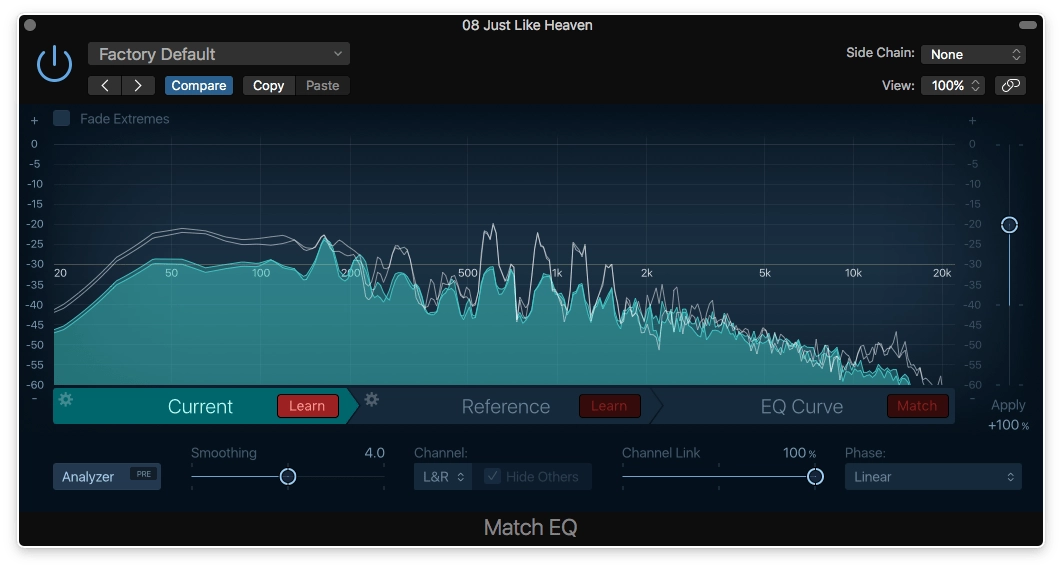
Pro tip: Use a spectrum analyzer alongside volume-matching to visualize the changes. Watch how the frequencies shift in real-time as you adjust. It’s not just about hearing the difference—it’s about seeing it, too. This dual approach turns EQ from a guessing game into a data-driven art form.
The Psychology of Perceived Loudness: Why Volume-Matching Feels Like a Superpower
Our brains are wired to equate loudness with importance. That’s why a poorly mixed track with exaggerated highs and lows can feel more “exciting” than a balanced one—even if it’s objectively worse. Volume-matching breaks this psychological trap. By removing loudness from the equation, you force yourself to focus on what truly matters: clarity, balance, and emotional impact.
Think of it like this: You’re at a concert, and the lead singer’s voice cuts through the mix effortlessly. You don’t need the volume cranked to hear them. That’s the power of volume-matching in action. It teaches you to prioritize the right frequencies, not just the loudest ones. Your mixes will breathe. Your instruments will sit in their own space. And your listeners? They’ll feel the difference, even if they can’t put their finger on why.

From Mud to Magic: Real-World Applications of Volume-Matching
Let’s say you’re mixing a track with a bassline that’s fighting for space with the kick drum. Your first instinct might be to boost the bass to give it more presence. But after volume-matching, you realize that cutting a few dB around 200Hz actually makes the bass feel more powerful—because it’s no longer masking the kick. The result? A low-end that’s tight, punchy, and full of life.
Or consider a vocal that’s getting lost in the mix. You might be tempted to boost the highs to make it stand out. But volume-matching reveals that a subtle cut around 300Hz clears up the muddiness, allowing the vocal to shine without artificial enhancement. Suddenly, your mix feels less like a collage of sounds and more like a cohesive story.
Volume-matching isn’t just for individual tracks, either. Apply it to your entire mix when you’re balancing instruments. Want to know if your drums are too loud compared to the guitars? Volume-match the entire drum bus to the guitar bus. If the drums get quieter when you do this, you’ve just discovered that your mix is top-heavy. Adjust accordingly, and watch your tracks transform from cluttered to crystalline.
The Uncommon Pitfalls: When Volume-Matching Backfires (And How to Fix It)
Like any tool, volume-matching can be misused. One common mistake is relying on it too heavily without trusting your ears. Volume-matching is a guide, not a gospel. If your gut tells you a boost is necessary, don’t ignore it just because the volume didn’t change. Use it as a checkpoint, not a crutch.
Another pitfall is over-correcting. If you’re constantly volume-matching after every EQ adjustment, you might be chasing your own tail. The goal isn’t to eliminate all perceived loudness changes—it’s to minimize them so you can focus on the real issues. Think of it like tuning a guitar: you don’t keep tweaking the strings until they’re perfect; you adjust until they’re in tune, then move on.
And let’s not forget the dreaded phase issues. Volume-matching can sometimes expose phase cancellation problems that were lurking beneath the surface. If you notice your mix sounding hollow or thin after volume-matching, check for phase conflicts between tracks. A little phase alignment might be all you need to restore the magic.
Beyond EQ: The Ripple Effect of Volume-Matching on Your Entire Workflow
The benefits of volume-matching extend far beyond EQ. Once you start using it consistently, you’ll notice it seeping into every aspect of your mixing process. Compression? Volume-match before and after to ensure your gain reduction is doing what you think it’s doing. Saturation? Same principle. Even automation becomes more intentional when you’re hyper-aware of perceived loudness.
It’s like upgrading from a flip phone to a smartphone. Suddenly, everything feels more intuitive, more connected. Your mixes will have a newfound sense of cohesion. Your decisions will feel less arbitrary. And your workflow? It’ll become a well-oiled machine, humming along with precision and purpose.
Imagine finishing a mix and feeling like you’ve just uncovered a hidden layer of your track. The bass is tighter. The vocals are clearer. The entire arrangement breathes. That’s the power of volume-matching. It doesn’t just fix your EQ decisions—it transforms the way you hear sound.
So, the next time you’re staring at an EQ plugin, hesitating over a boost or a cut, remember this: your ears are lying to you. But volume-matching? It’s the truth serum your mixes have been begging for. Try it. You won’t just fix your EQ decisions—you’ll redefine them.


Leave a Comment