

The zine, in its humble yet audacious form, has long been the rebellious cousin of the traditional portfolio. It’s tactile, unapologetically raw, and brimming with personality—qualities that make it an unforgettable medium for showcasing creative work. Unlike the sterile, pixel-perfect grids of a digital portfolio, a zine is a physical artifact, a handcrafted vessel that carries the essence of its creator. It’s cheap to produce, endlessly customizable, and, when done right, leaves an indelible mark on whoever flips through its pages. For artists, designers, photographers, and writers, the zine offers a playground where constraints breed creativity, and where the act of creation itself becomes part of the narrative.
But what makes the zine such a potent tool for portfolio-building? It’s the fusion of form and function, where the medium is as much a statement as the content it carries. A zine can be a manifesto, a visual diary, a curated selection of work, or even a collaborative experiment. It’s a format that thrives on imperfection, where the quirks of handmade production—uneven folds, ink smudges, or handwritten annotations—add layers of authenticity. In a world saturated with digital noise, the zine stands out as a tactile rebellion, a deliberate choice to slow down and engage with art in a way that feels intimate and intentional.
The Zine as a Visual Storytelling Canvas
For visual artists and photographers, a zine is more than a portfolio—it’s a narrative device. The sequential nature of a zine allows for a curated journey through images, where each spread can tell a story, evoke an emotion, or build a theme. Unlike a static website or a PDF, a zine forces the viewer to engage physically: to turn pages, to linger on details, to feel the weight of the paper in their hands. This tactile experience transforms passive viewing into an active dialogue between creator and audience.
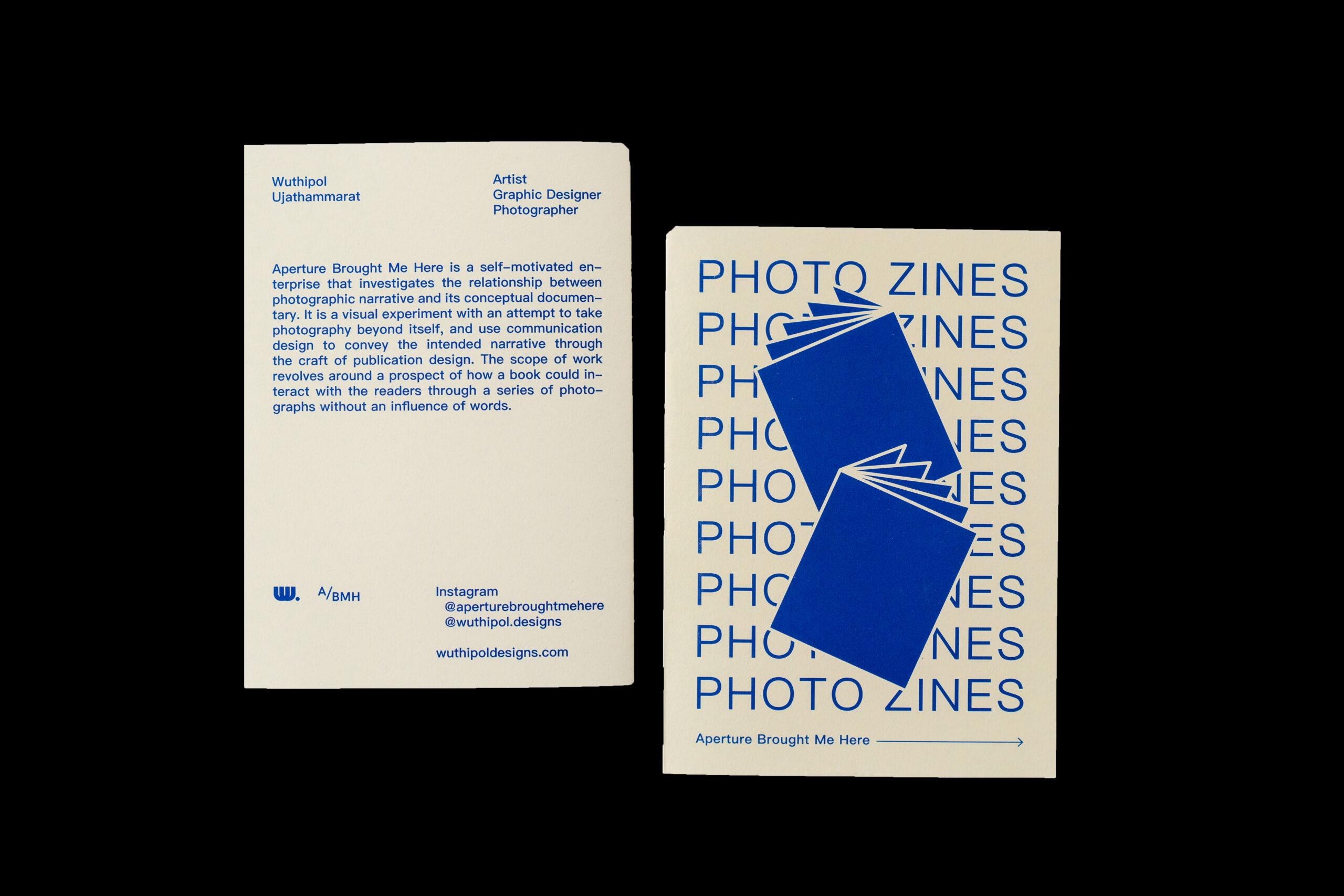
Consider the PhotoZine format, where a series of photographs are bound together to create a cohesive visual narrative. The layout isn’t just about displaying images; it’s about choreographing their flow. A well-designed zine might juxtapose a stark black-and-white photograph with a burst of color on the facing page, or use negative space to let a single image breathe. The constraints of the zine’s format—its limited page count, its physical dimensions—encourage creative problem-solving. How do you guide the viewer’s eye? How do you balance text and image? How do you make each spread feel intentional? These are the questions that elevate a zine from a simple collection of work to a compelling visual experience.
Photographers, in particular, have embraced the zine as a way to present their work in a more immersive context. A digital portfolio can showcase hundreds of images, but a zine distills a body of work into a curated selection, often with a specific theme or mood. The physicality of the zine also allows for experimental techniques—risograph prints, hand-bound signatures, or even unconventional paper stocks—that can’t be replicated online. The result is a portfolio that feels like an extension of the artist’s vision, not just a digital placeholder.
Text and Image: The Hybrid Portfolio
Writers and poets have long used zines as a way to merge text and image into a single, cohesive piece. For those who work across disciplines—illustrators who write, designers who craft poetry, or artists who blend visual and written narratives—the zine offers a space to experiment with hybrid forms. A zine can be a graphic novel, a poetry chapbook, or a visual essay, where the interplay between words and images creates a rhythm that’s uniquely its own.
Take, for example, a zine that combines hand-drawn illustrations with short, evocative poems. The images don’t just illustrate the text; they expand on it, adding layers of meaning that might not be present in the words alone. The tactile nature of the zine also invites the reader to interact with the content in a way that’s impossible with a digital document. They might trace their fingers over the embossed cover, or pause to admire the texture of the paper. These small, sensory details become part of the reading experience, making the zine feel like a treasure to be savored.
For designers, the zine is a playground for typography and layout. The constraints of the format—limited space, physical binding—force designers to think creatively about how text and image interact. A well-designed zine might use a grid system to organize content, or it might break the grid entirely to create a sense of chaos or spontaneity. The choice of typeface, the weight of the paper, the way the pages are cut or folded—all of these elements contribute to the zine’s personality. In a world where digital design often prioritizes uniformity, the zine celebrates the idiosyncratic and the handmade.

The Collaborative Zine: A Community of Voices
Zines have always been a medium of collaboration and community. Unlike a solo portfolio, which often feels like a monologue, a zine can be a dialogue—a conversation between multiple creators, each contributing their own voice to the whole. Collaborative zines are a way to build connections, share ideas, and create something greater than the sum of its parts. They can take many forms: a themed anthology where each contributor submits a spread, a zine swap where artists exchange handmade copies, or a group project where everyone contributes to the same publication.
The collaborative zine is also a powerful tool for emerging artists who are looking to build their network. By contributing to a zine, they gain exposure to new audiences and connect with other creators who share their interests. The zine becomes a bridge between artists, a way to cross-pollinate ideas and styles. It’s a format that thrives on diversity, where each contributor’s unique perspective adds to the richness of the final product.
For those who are new to zine-making, collaborative projects offer a low-stakes way to experiment. There’s no pressure to create a perfect portfolio; instead, the focus is on the joy of making and the connections that form along the way. The zine becomes a living document, a snapshot of a moment in time that reflects the collective energy of its creators.
Zines as Manifestos: Making a Statement
Beyond their role as portfolios, zines have a long history as tools for activism and self-expression. They’ve been used to challenge norms, critique society, and amplify marginalized voices. A zine can be a manifesto, a political statement, or a call to action—all wrapped up in a format that’s accessible, affordable, and deeply personal. For artists who want their work to do more than just look pretty, the zine offers a way to infuse their portfolio with meaning and purpose.
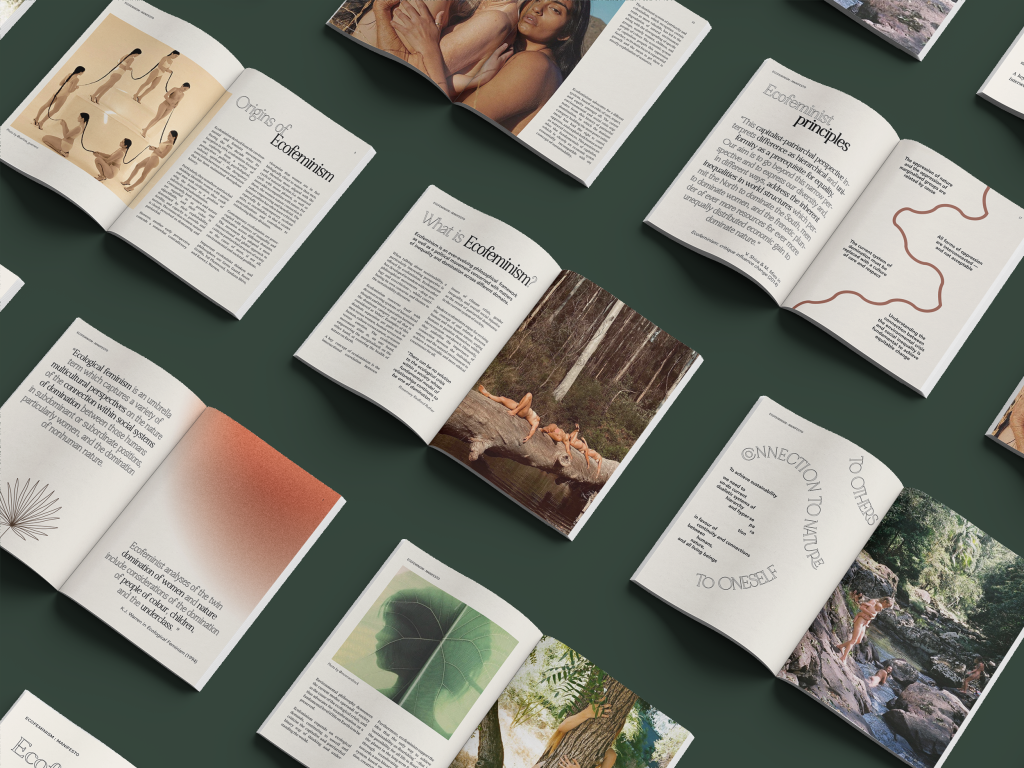
Consider a zine that explores themes of ecofeminism, like the one that uses bold typography, collage, and handwritten notes to convey its message. The zine doesn’t just present images or text; it invites the reader to engage with the ideas on a visceral level. The tactile experience of holding the zine—feeling the rough edges of the paper, seeing the ink bleed through—becomes part of the message. It’s a reminder that art isn’t just something to be consumed; it’s something to be experienced.
The manifesto zine is also a way to assert an artist’s identity and values. In a world where portfolios are often judged by their professionalism and polish, a zine that embraces imperfection and raw emotion can feel like a breath of fresh air. It’s a declaration that the artist’s work isn’t just about skill or technique; it’s about passion, conviction, and a willingness to take risks. For those who want their portfolio to stand out, the manifesto zine is a powerful tool for making a statement that lingers long after the pages are closed.
The DIY Ethos: Why Zines Matter in a Digital World
At its core, the zine is a celebration of the DIY ethos—a rejection of the idea that art must be polished, expensive, or professionally produced. In an era where digital tools make it easy to create flawless portfolios, the zine reminds us that imperfection has its own beauty. It’s a format that values process over product, where the act of making is just as important as the final result. For artists who are tired of the pressure to conform to digital standards, the zine offers a liberating alternative.
The affordability of zines is another key factor in their appeal. Unlike a printed book or a high-end portfolio, a zine can be produced for just a few dollars. The materials are simple—paper, ink, a stapler, or a needle and thread—and the production process can be as hands-on or as streamlined as the creator desires. This low barrier to entry makes zines an ideal medium for experimentation, allowing artists to test new ideas without the fear of failure.
But perhaps the most compelling reason to embrace the zine as a portfolio is its ability to create unforgettable experiences. In a world where digital content is ephemeral, a zine is a tangible artifact that can be held, shared, and cherished. It’s a piece of the artist’s world that the viewer can take home, a physical reminder of the work they’ve seen. For collectors, zines become treasures to be displayed on shelves or passed between friends. For artists, they’re a way to leave a lasting impression.
The zine is more than just a portfolio—it’s a declaration of intent, a love letter to the tactile, and a rebellion against the sterile perfection of the digital world. It’s a format that invites creativity, fosters community, and leaves a mark that’s impossible to ignore. Whether you’re an artist, a writer, a designer, or simply someone who loves the feel of paper in your hands, the zine offers a way to share your work in a way that’s personal, affordable, and unforgettable. So why not pick up a pair of scissors, some paper, and a roll of tape? The world needs more handmade portfolios—and yours could be the next one to change the game.


Leave a Comment