

In the quiet hum of a sketchbook’s blank pages, there lies a universe of untapped potential. Every doodle, every scribble, every half-formed shape is a whisper of creativity waiting to be amplified into something extraordinary. What if I told you that a single tool could bridge the chasm between casual scribbling and refined artistry? Not a magic wand, not a divine intervention—just a simple, unassuming instrument that has transformed the way artists perceive their own work. This is the story of how one tool can elevate your doodles from the ephemeral to the eternal, turning fleeting marks into lasting masterpieces.
Imagine holding a pencil that doesn’t just draw lines but unlocks the hidden architecture of your imagination. Picture a tool that doesn’t just trace your thoughts but sculpts them into tangible form. This isn’t a fantasy. It’s the reality of sketching—the art of transforming the mundane into the magnificent, one stroke at a time. Whether you’re a seasoned artist or a curious beginner, the right tool can redefine your relationship with the blank page. It’s not about talent; it’s about perspective. And that perspective begins with a single, deliberate choice.
The Alchemy of Perception: Why Your Doodles Hold Hidden Genius
Doodles are often dismissed as mindless scribbles, the byproducts of idle hands and wandering minds. Yet, beneath their chaotic surface lies a raw, unfiltered expression of creativity. Every line, every smudge, every accidental overlap is a fragment of your subconscious, waiting to be decoded. The key isn’t to suppress these marks but to harness their energy and channel it into something intentional.
Consider the way children draw—unburdened by rules, they see shapes in everything. A squiggle becomes a dragon. A circle morphs into a sun. Their art is alive with possibility because they haven’t yet learned to constrain their imagination. The same principle applies to adult doodlers. The moment you stop judging your marks and start exploring them, you unlock a wellspring of artistic potential. The tool you choose becomes the translator between chaos and clarity, turning abstract gestures into deliberate compositions.
But how do you bridge this gap? How do you take a random scribble and transform it into a piece that resonates with depth and intention? The answer lies in the tool’s ability to respond to your touch, to amplify your gestures, and to reveal the hidden structures within your marks. It’s not about perfection; it’s about connection—the connection between your hand, your mind, and the page.

The One Tool That Changes Everything: Mastering the Sketching Medium
Not all tools are created equal. A dull pencil will stifle your creativity; a flimsy pen will betray your intentions. The right tool, however, becomes an extension of your hand, responding to your every nuance with precision and grace. For those seeking to elevate their doodles, the ideal instrument is one that balances control and spontaneity—a medium that can both guide and surprise you.
Enter the humble graphite pencil, the unsung hero of the sketching world. Its versatility is unparalleled. With a single pencil, you can render delicate whispers of light or bold declarations of shadow. You can sketch with the finesse of a calligrapher or attack the page with the vigor of a sculptor. The key lies in understanding its potential—how varying pressure, angle, and technique can transform a simple line into a symphony of texture and tone.
But why stop at graphite? The world of sketching tools is vast and varied. Charcoal offers a raw, expressive quality, perfect for bold, gestural marks. Ink pens provide crisp, definitive lines that demand precision. Even unconventional tools like ballpoint pens or markers can yield stunning results when wielded with intention. The secret isn’t in the tool itself but in how you use it to interrogate your own creativity. Each medium has its language, and mastering that language unlocks new dimensions in your art.
Experiment. Play. Fail. The process of discovery is where the magic happens. Try sketching with your non-dominant hand. Use unconventional surfaces like textured paper or even wood. The more you push the boundaries of your tool, the more you’ll uncover the hidden layers of your own artistic voice.
The Language of Lines: Decoding Your Doodles’ Secret Messages
A doodle is never just a doodle. It’s a conversation between your hand and your mind, a dialogue that reveals your subconscious desires, fears, and curiosities. The lines you draw are more than marks—they’re a visual vocabulary, a code waiting to be deciphered. By learning to read this code, you can transform even the most chaotic scribbles into coherent, compelling art.
Consider the difference between a tentative line and a confident stroke. The former hesitates, flickers, and fades—it speaks of doubt and uncertainty. The latter asserts itself with authority, carving a path across the page with purpose. Your tool becomes the interpreter of these gestures. A well-sharpened pencil can coax confidence from your hand, while a blunt tip might encourage you to embrace the softness of uncertainty. The tool doesn’t just draw lines; it shapes your relationship with them.
Texture is another dimension of this visual language. A smooth, continuous line conveys fluidity and grace, while a broken, staccato stroke suggests tension or fragmentation. Cross-hatching can imply depth and density, while loose, gestural marks evoke movement and energy. By becoming fluent in this language, you gain the power to communicate complex ideas with a few deft strokes. Your doodles stop being random and start being intentional.
But how do you develop this fluency? Start by studying your own marks. Keep a sketchbook dedicated solely to doodling—no pressure, no rules. Let your hand wander freely, and then step back to analyze what you’ve created. What emotions do the lines evoke? What stories do they suggest? Over time, you’ll begin to see patterns, themes, and motifs that reflect your inner world. The tool becomes a mirror, reflecting not just your hand’s movements but your soul’s whispers.
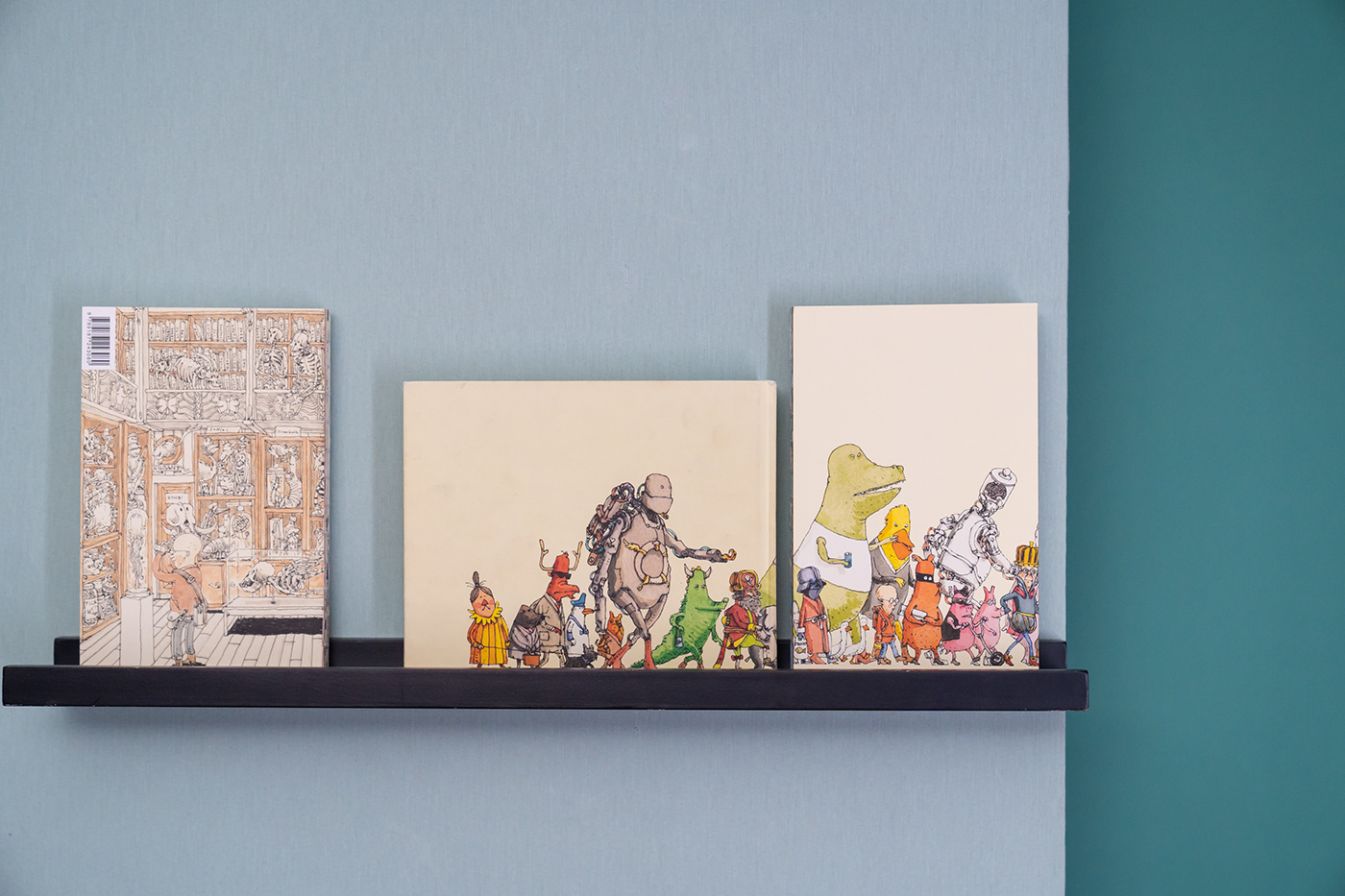
From Doodles to Masterpieces: The Art of Intentional Mark-Making
The leap from doodling to fine art isn’t about abandoning spontaneity—it’s about infusing it with intention. It’s the difference between scribbling a face and sculpting one with light and shadow. It’s the transformation of a random squiggle into a dragon’s coiled tail, rendered with deliberate strokes and anatomical precision. The tool you choose is the catalyst for this metamorphosis, the bridge between chaos and composition.
Begin with a simple exercise: take a random doodle and refine it. Start with a loose, gestural sketch—perhaps a figure, an animal, or an abstract shape. Then, with your tool of choice, begin to build upon it. Add layers of shading. Define edges. Introduce texture. What started as a fleeting mark becomes a study in form and light. The process is meditative, almost alchemical. You’re not just drawing; you’re coaxing art from the void.
Another technique is to work in reverse. Instead of adding to your doodle, subtract from it. Use an eraser to carve out highlights, to reveal the underlying shapes. This approach forces you to see your marks in a new light, to find the hidden structures within the chaos. It’s a reminder that art isn’t just about what you add—it’s about what you choose to reveal.
But perhaps the most powerful method is to embrace imperfection. Fine art isn’t about flawless execution; it’s about authenticity. A wobbly line, a smudged edge, an unexpected texture—these are the hallmarks of a human touch. Your tool should amplify your voice, not suppress it. Let it guide you, but don’t let it dictate. The best art is a collaboration between artist and medium, a dance of control and surrender.
The Psychological Shift: How Your Tool Reshapes Your Creative Identity
Artists often talk about the “flow state”—that magical moment when time dissolves, and the hand moves in perfect harmony with the mind. But flow isn’t just about skill; it’s about mindset. The tool you choose can either hinder or enhance this state. A tool that feels foreign or unwieldy will disrupt your flow, while one that feels like an extension of your body will propel you into it.
Consider the difference between sketching with a mechanical pencil and a traditional wood-cased pencil. The mechanical pencil offers precision and consistency, but it lacks the tactile feedback of its wooden counterpart. The wood-cased pencil, with its weight and texture, becomes a partner in your creative process. It slows you down. It invites you to savor each mark. In this slowness, you find depth. In this partnership, you find your voice.
Your tool also shapes how you perceive yourself as an artist. A fine-tip pen might make you feel like a meticulous draftsman, while a chunky charcoal stick could evoke the spirit of a bold, expressive painter. The way you hold your tool, the pressure you apply, the marks you leave—all of these choices feed into your creative identity. They tell you, and the world, who you are as an artist.
But this identity isn’t fixed. It evolves with every sketch, every experiment, every failure. The tool becomes a mirror, reflecting not just your technical skills but your emotional journey. A shaky line might reveal anxiety; a bold, sweeping stroke could signal confidence. By paying attention to these nuances, you gain insight into your own creative psyche. You learn to trust your instincts, to embrace your quirks, and to celebrate your uniqueness.
The Final Stroke: Embracing the Journey from Doodle to Art
The path from doodle to fine art is not a straight line—it’s a winding, unpredictable journey filled with detours, dead ends, and unexpected discoveries. But that’s the beauty of it. Every mark, every mistake, every happy accident is a step forward. The tool you choose is your compass, guiding you through the labyrinth of your own creativity.
So pick up your pencil. Let it dance across the page. Embrace the chaos. Trust the process. The art is already there, waiting to be uncovered. All you need is the courage to see it—and the right tool to bring it to life.
Your blank page is no longer a void. It’s a universe of possibilities. And the first line you draw is the beginning of something extraordinary.


Leave a Comment