

In the labyrinthine world of art, where every brushstroke whispers a story and every canvas cradles a universe, the artist’s CV is more than a mere ledger of achievements—it is a silent symphony, a curated anthology of one’s creative odyssey. Yet, far too often, artists mistake this document for a pedestrian resume, a dry recitation of exhibitions and accolades. But galleries? They hunger for something far more elusive. They seek the essence of the artist, distilled into a form that is as evocative as it is informative. What galleries truly crave is not a chronological ledger of your past, but a living manifesto of your artistic soul—a document that doesn’t just list where you’ve shown, but reveals why you matter.
The artist’s CV is not a resume. It is a curatorial manifesto, a whispered invitation into the inner sanctum of your creative psyche. It is the first brushstroke of trust between you and the gallery, the initial handshake before the dance begins. To wield it effectively, you must understand that galleries are not merely repositories for art; they are alchemists, transforming raw talent into cultural currency. And like any alchemist, they are drawn to the spark—not the smoke.
The Myth of the Chronological Ledger: Why Linearity is the Enemy of Art
Picture this: a gallery director, their eyes glazed from a day of studio visits and portfolio reviews, flips through yet another CV where the artist’s career unfolds like a train timetable—2015: First Solo Show. 2017: Group Exhibition at X Gallery. 2019: Residency in Y City. The pattern is predictable, the narrative linear, the impact… negligible. This is the chronological trap, a snare that ensnares far too many artists. Galleries are not historians. They are visionaries. They do not want to read your life story; they want to feel your artistic pulse.
Instead of a rigid timeline, consider structuring your CV as a topographical map of your creative terrain. Highlight the peaks of your practice—the residencies that ignited new directions, the collaborations that birthed unexpected dialogues, the themes that recur like motifs in a symphony. Let the gallery see the landscape of your mind, not just the milestones along the way. A CV that reads like a poetic topography is one that lingers in the memory long after the meeting ends.
Think of your CV as a constellation rather than a timeline. Each point of light—a solo show, a publication, a workshop—should not merely exist in isolation but connect to the others, forming a pattern that reveals the deeper currents of your work. Galleries are drawn to artists whose careers are not just a series of events, but a narrative arc—one that suggests growth, evolution, and a relentless pursuit of the unknown.
The Hidden Language of Selection: What Galleries Actually Scan For
When a gallery director’s gaze skims your CV, they are not reading—they are hunting. They are scanning for clues, for the subtext that reveals whether you are a cultural interlocutor or a mere participant in the art world’s revolving door. The first thing they notice is not the number of exhibitions, but the calibre of the venues. A solo show at a storied institution carries more weight than a dozen group shows at pop-up galleries. But even that is not enough. They are looking for provenance—the invisible threads that connect your work to a larger cultural conversation.
Consider the pedigree of your affiliations. A residency at a prestigious institution like Yaddo or MacDowell is not just a line on a CV; it is a seal of approval, a testament to your work’s resonance. Similarly, publications in respected journals or features in influential blogs signal that your practice is not operating in a vacuum. But here’s the twist: galleries also prize emerging dialogues. They are drawn to artists who are not just repeating the language of their peers, but expanding it. If your CV includes collaborations with writers, musicians, or scientists, highlight them. These are not just side projects; they are cross-pollinations, evidence that your art is part of a broader ecosystem.
Another subtle but critical element is the temporal rhythm of your career. Galleries are wary of artists whose CVs resemble a machine-gun burst—one exhibition after another, with no pause for reflection or evolution. They are drawn to those who exhibit strategically, who allow their work to breathe, to mature, to ripen like fruit on the vine. A gap between exhibitions is not a void; it is a gestation period, a time when the artist is not just producing, but digesting their own work. This is the kind of artist galleries want to nurture—the one who is not just prolific, but profound.
The Art of Omission: What to Leave Out (And Why Silence Can Be Eloquent)
In the quest to impress, artists often fall into the trap of overloading their CVs with every minor achievement, every workshop attended, every mention in a local newsletter. But galleries are not impressed by volume; they are intimidated by it. A CV that resembles a telephone directory is a CV that has lost its way. The art of omission is not about hiding weaknesses; it is about curating your narrative with surgical precision.
First, strip away the fluff. Remove any line that does not directly contribute to the story of your artistic evolution. Did you assist another artist for a month? Unless that collaboration led to a significant breakthrough in your practice, it does not belong here. Did you participate in a group show at a café? Unless the venue has a reputation for fostering emerging talent, it is better left unsaid. Every line should serve a purpose—either to elevate your profile or to illuminate your artistic trajectory.
Second, embrace strategic silence. There are moments in an artist’s career that are better left unspoken. A failed exhibition, a rejected proposal, a residency that didn’t pan out—these are not weaknesses, but they are not strengths either. Galleries are not looking for perfection; they are looking for authenticity. However, if you choose to omit something, do so with intention. The absence of a line can sometimes speak louder than its presence, especially if it forces the reader to fill in the blanks with their imagination.
Finally, avoid the temptation to pad. It is tempting to inflate your CV with awards you didn’t win, residencies you didn’t complete, or exhibitions you barely participated in. But galleries have a sixth sense for disingenuousness. They can smell the desperation in a padded CV, and it repels them more than any omission ever could. Instead, focus on quality over quantity. A CV with five lines of undeniable significance is far more compelling than one with twenty lines of questionable relevance.
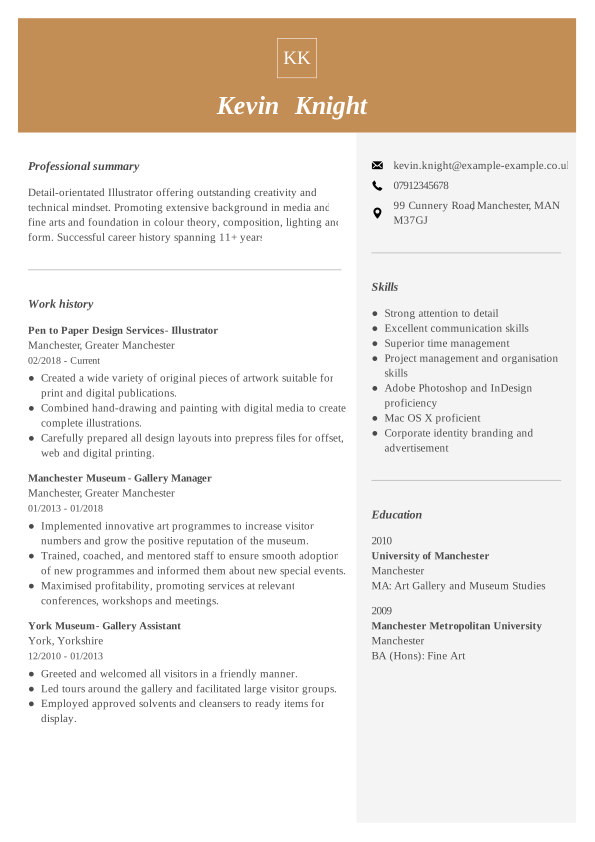
The Visual Alchemy: How Design Transforms a CV into a Work of Art
A CV is not just a document; it is a visual manifesto. The way it looks is as important as what it says. Galleries are, after all, run by artists and curators who understand the power of aesthetic cohesion. A CV that is poorly designed—cluttered, inconsistent, or visually stifling—sends a message before a single word is read: I do not care about presentation. Conversely, a CV that is a harmonious composition signals that you are an artist who understands the language of form.
Begin with typography. The fonts you choose should reflect the tone of your work. A minimalist, sans-serif font may suit a conceptual artist, while a serif font with character might appeal to a painter with a classical bent. Avoid anything too decorative or whimsical; your CV should be legible first, artistic second. Consistency is key—stick to one or two fonts throughout, and use hierarchy to guide the reader’s eye. Your name should be the most prominent element, followed by your contact information, then your career narrative.
Next, consider layout and white space. A CV that is crammed with text is a CV that is screaming for attention—and not in a good way. White space is not emptiness; it is breathing room, a visual pause that allows the reader to absorb your achievements without fatigue. Group related information together—exhibitions, residencies, publications—and use dividers or subtle lines to create separation. If you are unsure where to start, study the CVs of artists you admire. Notice how they balance density with clarity, how they make the most of every inch of the page.
Finally, embrace the power of imagery. While your CV should primarily be text-based, a carefully chosen visual element can elevate it from functional to memorable. This could be a small, high-quality image of a signature work, a subtle background texture that complements your artistic style, or even a minimalist logo or monogram. The key is restraint. The image should enhance the document, not distract from it. Think of it as a visual punctuation mark—a moment of quiet intensity in an otherwise straightforward text.
The Unspoken Contract: How to Tailor Your CV for Each Gallery
Here is a truth that many artists resist: your CV is not a static document. It is a living entity, one that should shift and adapt depending on the audience. A CV sent to a contemporary gallery in Berlin will not—and should not—look the same as one sent to a traditional gallery in Kyoto. Galleries are not monolithic; they are cultural ecosystems, each with its own values, aesthetics, and expectations. To ignore this is to treat your CV as a broadcast rather than a conversation.
Start by researching the gallery’s exhibition history. What themes recur in their programming? Are they known for supporting emerging artists, or do they focus on mid-career practitioners? Do they lean toward a specific medium or conceptual approach? Your CV should reflect an understanding of these nuances. If the gallery has a history of showcasing socially engaged art, highlight any community-based projects or collaborations with non-art institutions. If they favor interdisciplinary practices, emphasize any cross-disciplinary work you’ve undertaken.
Next, consider the tone of the gallery’s communications. Is their website sleek and minimalist, or warm and inviting? Do they use formal language in their press releases, or a more conversational tone? Your CV should mirror this energy. A gallery that values intellectual rigor will appreciate a CV that is concise and precise, while one that prioritizes emotional resonance might respond better to a document that is more narrative-driven. The goal is not to mimic the gallery’s style, but to harmonize with it—to create a CV that feels like a natural extension of their curatorial voice.
Finally, personalize your artist statement. While your CV is the backbone of your submission, the artist statement is the soul. It is the place where you articulate not just what you do, but why you do it. Tailor this statement to each gallery, referencing their past exhibitions or artists they’ve shown. Show them that you have done your homework, that you see your work not as an isolated entity, but as part of a larger dialogue. A well-crafted artist statement can transform a CV from a mere list into a compelling narrative—one that galleries will want to be part of.
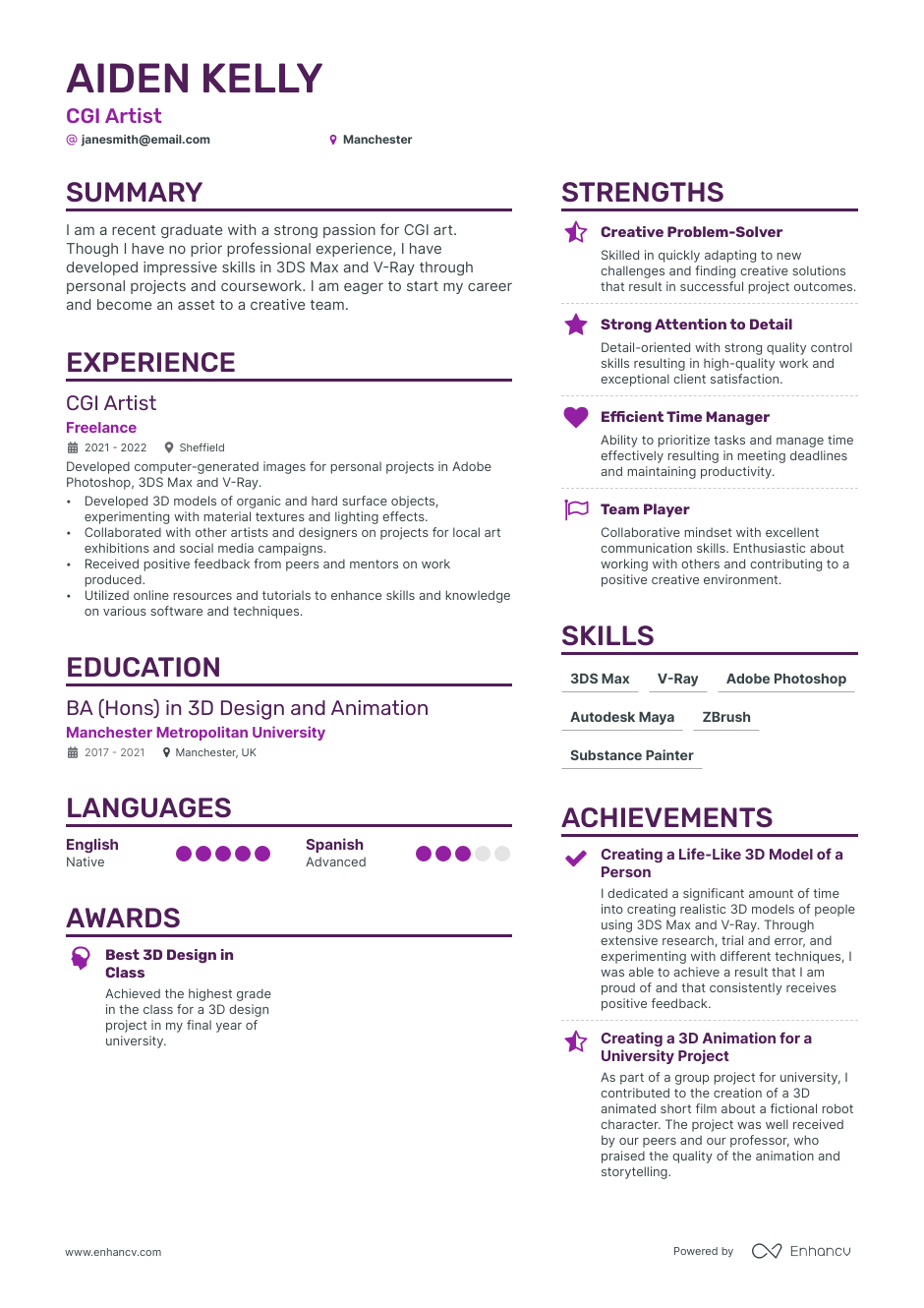
Beyond the CV: The Art of the Follow-Up (And When to Let Go)
Even the most meticulously crafted CV is only the beginning of the journey. The art of the gallery submission is not just about what you send, but how you engage with the process. The follow-up is where many artists stumble—either by being too aggressive or too passive. The key is to strike a balance between persistence and patience.
First, set a timeline for follow-ups. If you haven’t heard back within two to three weeks of submitting your materials, send a polite email to confirm receipt. Keep it brief and professional: “Thank you for considering my submission. I wanted to ensure it reached you safely.” This is not the time to reiterate your achievements or plead your case. It is simply a gentle nudge, a reminder that you exist.
If you still don’t hear back after a month, it is time to let go. Galleries are inundated with submissions, and silence does not always mean disinterest. It may mean they are still deliberating, or that your work is not the right fit for their current programming. The art world is a mercurial beast; what doesn’t work today may be perfect tomorrow. Instead of fixating on one gallery, use the time to refine your materials, research new opportunities, and continue making work that excites you.
And remember: rejection is not failure. It is a filter, a natural part of the process that separates the artists who are serious from those who are merely persistent. Every “no” is a step closer to the “yes” that will change everything. The galleries that ultimately say yes are not just choosing your CV; they are choosing your vision. They are betting on your ability to contribute something new to the cultural conversation. And that is a responsibility worth honing your CV for.
In the end, the artist’s CV is not a document to be perfected, but a conversation to be initiated. It is the first handshake, the first eye contact, the first moment of connection between you and the gallery. Make it count. Make it sing. Because in the art world, where first impressions are everything, your CV is not just a piece of paper—it is your opening act.


Leave a Comment