

Is the intricate world of miniature art making a surprising comeback in today’s contemporary art schools? Once considered a niche or even antiquated skill, miniature painting and model creation are now captivating the imaginations of a new generation of artists and educators alike. But why have institutions of higher learning rekindled their dedication to such a meticulous and demanding craft? What challenges and opportunities does this revival pose for aspiring creatives?
The Renaissance of Miniature Techniques: A Response to Modern Artistic Needs
The resurgence of miniature techniques in art schools is neither accidental nor nostalgic. It represents a deliberate counterbalance to the rapid proliferation of digital media and mass-produced art forms. As students are inundated with large-scale digital canvases and transient visual content, the painstaking attention to detail demanded by miniature art offers a tangible, almost meditative contrast. This immersion in precision fosters patience, focus, and a profound appreciation for craftsmanship—a triad rarely emphasized in today’s fast-paced creative environments.
Institutions recognize that miniature art, by nature, challenges artists to rethink scale and perception. Students must train their eyes and hands to work within minute spatial confines, refining dexterity while cultivating an acute sensitivity to subtle tonal shifts and textural nuances. This training nurtures a heightened visual acuity that enhances skills across diverse artistic disciplines. Thus, miniature techniques serve as an invaluable foundation, sharpening artistic tools that transcend genre boundaries.
Mastering Patience and Precision: The Hidden Virtues of Miniature Art
Delving into miniature art is more than a technical exercise; it is a profound involvement in the philosophy of patience and precision. The deliberate slowness encourages a mindful practice that counters the contemporary culture of immediacy. Here, every brushstroke matters immensely, demanding unwavering concentration. This teaches students resilience and humility—essential traits for any artist seeking longevity in their craft.
Moreover, the complexity involved in miniature painting and model creation cultivates an intimate connection between artist and medium. The artist becomes acutely aware of the inherent properties of pigments, brushes, and surfaces, mastering their interplay in ways that larger formats might obscure. This intimate dialogue fosters not only technical proficiency but also personal expression that shines through the microcosm of the artwork.

Miniature Techniques as a Bridge Between Tradition and Innovation
Art schools are increasingly conscious of the importance of preserving historical techniques while pushing creative boundaries. Miniature art, steeped in centuries of rich cultural and artistic heritage, offers a unique toolbox that bridges past and present. As students master these methods, they engage in an ongoing dialogue with artistic traditions from far-flung corners of the globe, from Persian miniatures to European illuminated manuscripts.
Simultaneously, the challenge lies in how to integrate these venerable techniques with modern materials and thematic explorations. For example, combining traditional miniature painting with multimedia elements or contemporary narratives introduces fresh perspectives that invigorate both the genre and its practitioners. This fusion creates a dynamic learning environment where reverence for history coexists with innovation and experimentation.
Pedagogical Shifts: Why Art Educators Are Embracing Miniature Art
The pedagogical embrace of miniature techniques reflects broader shifts in educational philosophy. Contemporary art education is increasingly interdisciplinary, encouraging students to merge skill sets and embrace diverse mediums. Miniature art classes provide an ideal platform to develop fine motor skills and a disciplined mindset while encouraging conceptual thinking.
Furthermore, miniature art’s compact scale encourages the exploration of narrative density. Students learn to tell compelling stories within confined spaces, honing their abilities to communicate complex ideas economically and evocatively. This skill is exceedingly valuable not just within traditional art forms but also in graphic design, illustration, and even digital interfaces where storytelling must be concise and impactful.
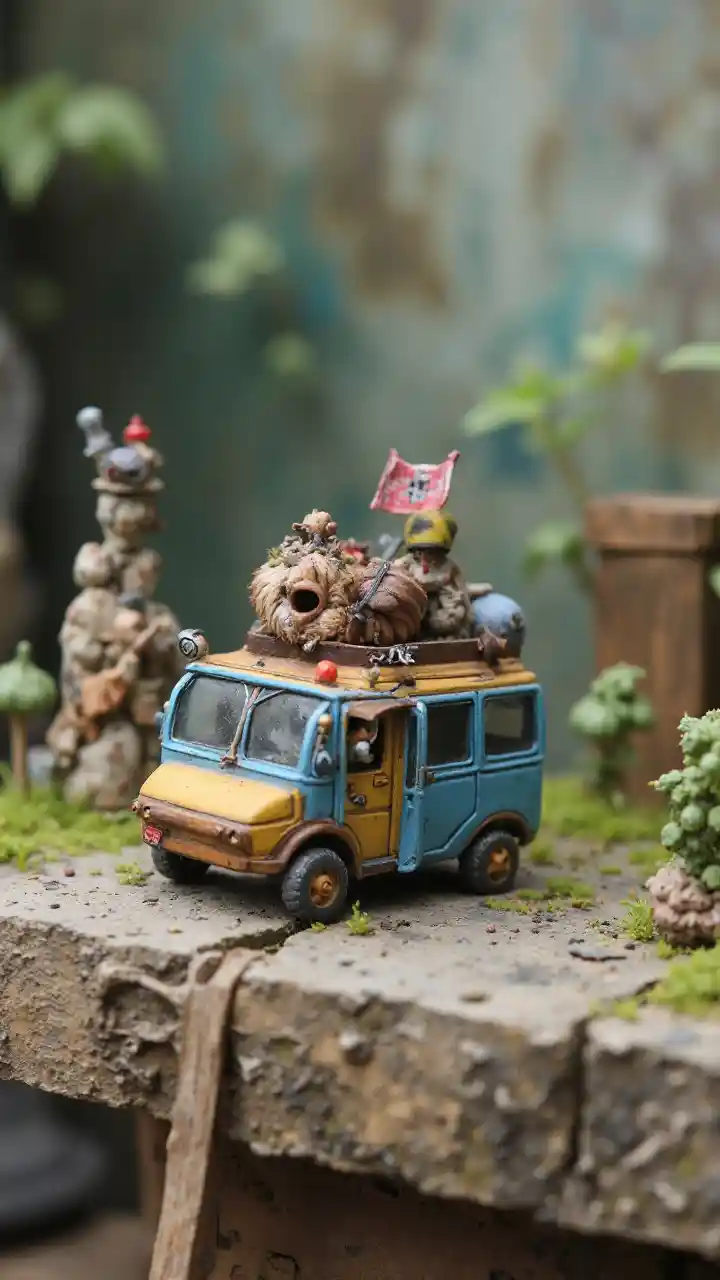
Miniature Workshops: Hands-On Experience Revitalizing Artistic Engagement
Workshops focusing on miniature painting techniques have emerged as vital components of art curricula, offering immersive, hands-on experiences that invigorate student engagement. These workshops demystify the complexities of scale and technique, breaking down the artistic process into accessible, manageable segments. They provide an essential space for experimentation and fail-safe practice, allowing students to develop confidence and mastery in an encouraging environment.
The workshop setting also fosters a communal learning atmosphere where peer feedback and collaborative problem solving flourish. Students share discoveries on brush handling, pigment preparation, and compositional balance, creating an ecosystem of mutual growth. These live interactions ignite enthusiasm and often inspire students to pursue miniature art more seriously, whether as a primary focus or a complementary skill set.

Future Prospects: Miniature Art as a Gateway to Diverse Creative Careers
The meticulous nature of miniature art equips students with transferable skills highly prized across an array of creative industries. From animation and gaming to jewelry design and fine arts restoration, the precision, patience, and perceptiveness fostered through miniature techniques open doors to multifarious career paths. As art schools integrate these traditional yet timeless skills into their curriculum, they prepare students not only to preserve a cultural legacy but also to thrive in innovative sectors where detail orientation is paramount.
In an era dominated by overwhelming scale and digital perfection, the revival of miniature art education offers an antidote—a return to the personal, the tactile, and the exquisitely detailed. This shift challenges artists to reconsider the relationship between scale and impact, suggesting that sometimes the smallest canvas can carry the most profound stories.
Ultimately, the reemergence of miniature techniques in art schools is a testament to the enduring power of craft and the human urge to create with both care and ingenuity. It asks the question: in a world obsessed with the big and the bold, might the future of art lie in the smallest of strokes?


Leave a Comment