

Could the future of architectural splendor and environmental reverence be distilled into a single, captivating design philosophy? As the world hurtles toward 2026, the Biennale—a paragon of global creativity and innovation—has boldly embraced biophilic design as its official aesthetic. But why this sudden and sweeping allegiance? Is it merely a trend riding the waves of sustainability, or does it herald a profound paradigm shift in how humanity conceives of space, nature, and wellbeing?
The Flourishing Roots of Biophilic Design
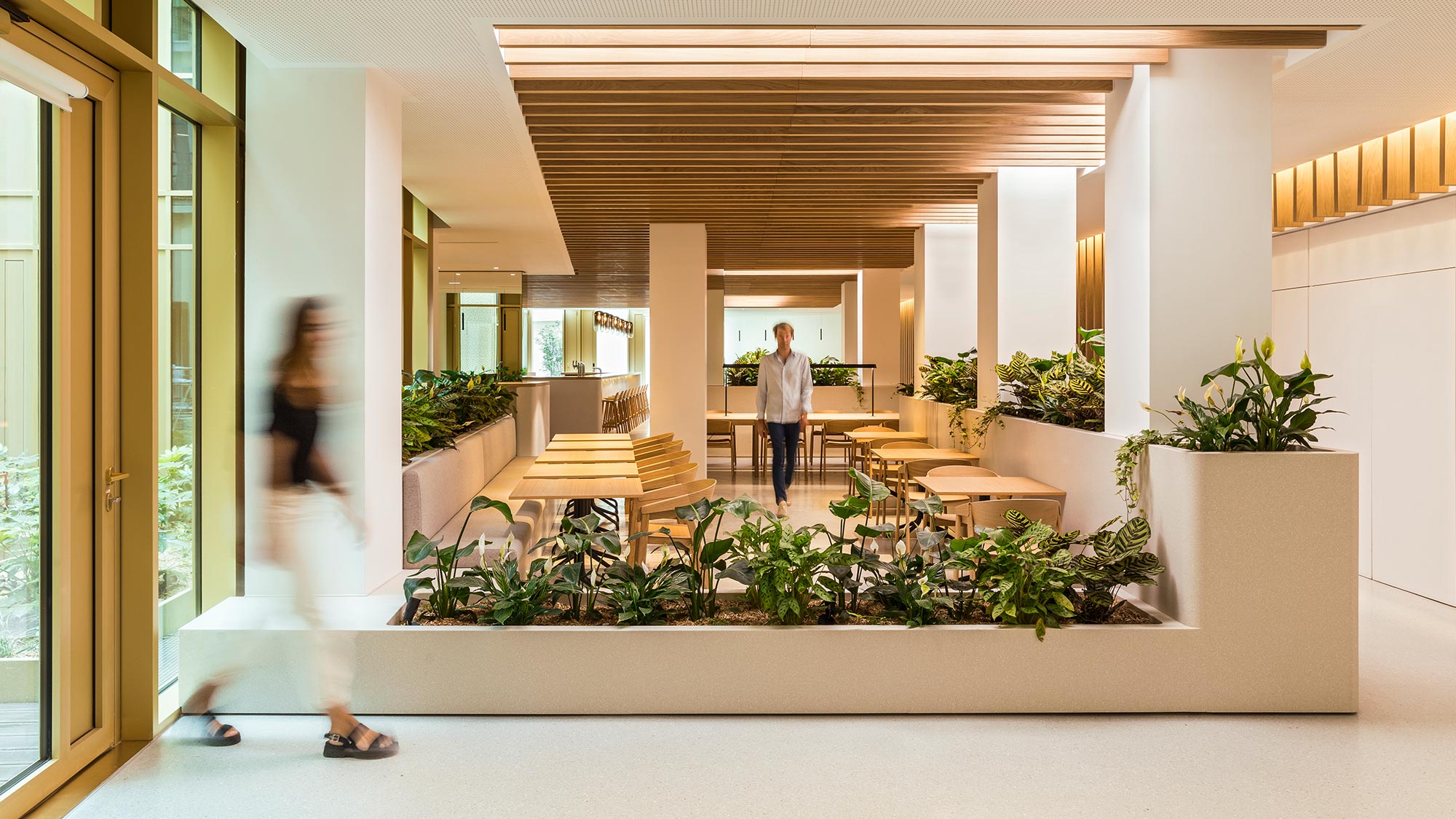
Biophilic design is not simply an artistic fad; it is an intricate symbiosis between the built environment and the inherent human attraction to nature. Imagine stepping into a space where the boundaries between inside and outside dissolve, where natural light paints rooms with kaleidoscopic hues, and where organic textures evoke a comforting sense of belonging. This design philosophy channels our evolutionary affinity—the biophilia hypothesis—celebrating a primal bond with the natural world.
From verdant vertical gardens climbing steel and glass towers to interiors basking in dappled sunlight filtered through expansive skylights, biophilic design transcends mere decoration. It reignites a dialogue between structure and stomping ground, fostering environments that nurture physical health, cognitive clarity, and emotional balance. As society becomes increasingly urbanized and disconnected from nature, the imperative to weave the outside world into modern spaces grows more urgent and compelling.

Why the 2026 Biennale Chooses Biophilia: More Than A Trend
The Biennale has historically crystallized the zeitgeist of each era, spotlighting the voices and innovations steering the future. Its choice to elevate biophilic design is a clarion call to architects, artists, and urban planners: embrace harmony with nature or risk obsolescence. This event’s curatorial vision recognizes that ecological crises demand not only greener technologies but a transformative reimagining of spatial experience.
Moreover, biophilic design embodies an optimistic response to the alienation bred by digital saturation and concrete jungles. It dares to ask designers: How might we restore the sanctity of sensory delight within metropolitan madness? The answer lies in biophilic principles—inviting natural elements indoors and crafting habitats attuned to human wellness and planetary stewardship.
The Challenge: Balancing Innovation and Authenticity
However, embracing biophilic design on such a grand stage is not without its complexities. Can designers resist the trap of superficiality—mere greenwashing under the guise of biophilia? The challenge lies in transcending ornamental greenery to integrate symbiotic ecosystems that resonate with environmental realities. The Biennale forces its participants to grapple with authenticity: how to weave indigenous plants, sustainable sourcing, and climate-responsive materials into a coherent visual and experiential tapestry.
Furthermore, the intricacy of biophilic design demands an interdisciplinary ethos—melding ecological science, psychology, and artistry. Is the architecture community ready to transcend traditional silos? The Biennale’s spotlight compels innovation not just in form, but in holistic thinking: crafting spaces that adapt and thrive in tune with their environment. The question remains—can this conceptual rigor be communicated passionately and accessibly to inspire global audiences and stakeholders alike?
The Impact: From Wellbeing to Environmental Advocacy
At its core, biophilic design is a vessel of profound significance, promising to elevate wellbeing while championing sustainability. Countless studies reveal that exposure to natural elements reduces stress, boosts creativity, and accelerates healing. The Biennale’s advocacy amplifies these findings, positioning biophilic environments as vital antidotes to the pathologies of modern living.
Beyond individual wellbeing, biophilic spaces become powerful advocacy tools for environmental stewardship. They serve as living classrooms, demonstrating the tangible benefits of biodiversity and climate-conscious design. Through immersive installations and forward-thinking pavilions, the Biennale wields biophilic design as a manifesto for ecological respect—a subtle yet unwavering demand for a future where human habitation and the natural world coexist in flourishing equilibrium.

Looking Forward: The Legacy of the 2026 Biennale
The 2026 Biennale is poised to leave an indelible mark on the canvas of contemporary design. Its embrace of biophilia is not just aesthetic—it is philosophical and activist. This pivotal moment beckons a reckoning: architecture must reconcile with nature or risk irrelevance in an increasingly climate-conscious global community.
The Biennale invites a future where buildings breathe, spaces nurture, and humans reconnect with the natural rhythms that have shaped millennia of evolution. It challenges us to envision cities transformed by verdant arteries pulsating life and to redefine luxury not by excess, but by the richness of multisensory, sustainable experiences.
As 2026 approaches, the question remains vibrant and urgent: will the world answer the call to design truly alive? The Biennale’s declaration of biophilic design as its official visage suggests an emphatic “yes,” beckoning a renaissance of nature-inspired creativity that promises to redefine our shared habitat for generations to come.


Leave a Comment