

What if the very ground beneath our feet could tell a story tailored uniquely to each collector’s vision? In an era where environmental consciousness meets artistic expression, site-specific eco gardens are emerging as more than just green spaces. They are living, breathing ecosystems designed to resonate with their surroundings while reflecting the individual tastes and values of those who commission them. Yet, why are discerning collectors beginning to seek out these bespoke natural installations, opting to blend ecology with exclusivity? And more intriguingly, could the challenge of harmonizing art, nature, and site-specific elements be the very impetus that drives this burgeoning movement?
The Allure of Site-Specific Eco Gardens
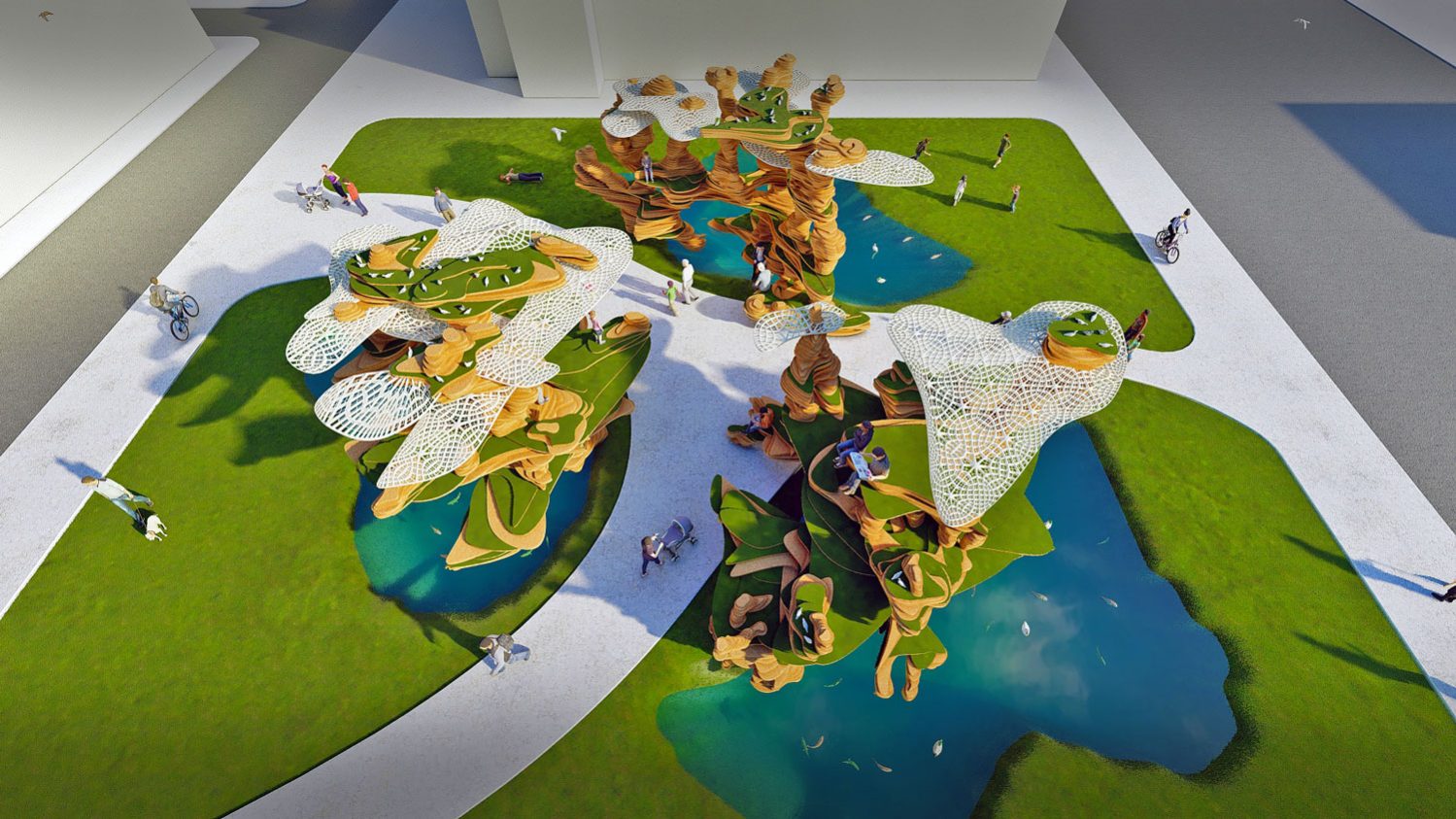
Unlike conventional gardens, site-specific eco gardens are not generic or replicable; they are intimately intertwined with the land’s unique attributes—its microclimate, soil composition, native flora, and cultural context. This deliberate integration transforms the garden into a vivid canvas of ecological art. For collectors, this means owning a piece of living craftsmanship that evolves over time, reflecting seasonal shifts and environmental interactions.
By commissioning these gardens, collectors are not merely acquiring a decorative landscape—they are investing in a dynamic, site-responsive habitat. This elevates their property beyond aesthetics, positioning it as a testimony to sustainability, innovation, and personal narrative.
Embodying Sustainability Through Personalized Ecosystems
At the heart of site-specific eco gardens lies an unabashed commitment to ecological stewardship. Traditional landscaping often leans heavily on exotic species and excessive maintenance regimes, sometimes at the expense of local biodiversity. In stark contrast, collectors commissioning site-specific gardens embrace native species and sustainable practices that nurture the local ecosystem. This conscientious approach enhances water conservation, reduces chemical use, and attracts indigenous pollinators and wildlife.
Moreover, collectors are increasingly aware that environmental responsibility and exclusivity are not mutually exclusive. Instead, they find fertile ground in the challenge to create gardens that are both sustainable and architecturally compelling. The restrained yet ingenious use of local materials, reclamation of natural elements, and incorporation of regenerative design principles produce spectacles that honor the planet while captivating the eye.

Artistry Rooted in Place and Purpose
Diving deeper into the motivation for commissioning site-specific eco gardens, one recognizes the profound interplay between art and environment. Each garden becomes a bespoke installation—crafted with a discerning eye where form, function, and ecology coalesce. Collectors often collaborate with visionary landscape architects, ecologists, and artists who meticulously curate design elements that evoke emotion and provoke thought.
This process necessitates an intricate understanding of how the landscape’s topography and existing vegetation can be enhanced rather than subverted. The play of shadow and light, tactile contrasts, and even the acoustic character of a space are thoughtfully orchestrated to engage all senses. The resulting garden is less a static showpiece and more an immersive, sensory experience that evolves with time.
Confronting the Challenge: Balancing Vision and Ecology
Commissioning a site-specific eco garden is not without its hurdles. The primary challenge lies in achieving equilibrium between the collector’s aesthetic ambitions and the rigid demands of ecological veracity. Can an opulent, avant-garde vision be reconciled with the practicality of native planting and low-impact materials? This is where the expertise and creativity of the design team come into sharp focus.
Innovative solutions, such as modular planting schemes that respect seasonal cycles, or the integration of living walls and hanging gardens, offer avenues to transcend traditional garden formats. These inventive approaches allow collectors to articulate their identity boldly while preserving and enhancing the integrity of the environment.

Why Exclusive Collectors Are Driving the Movement
Collectors possess a penchant for rarity, authenticity, and narrative depth—all qualities abundantly intrinsic to site-specific eco gardens. These gardens provide an opportunity to own environmental narratives rewritten as living art objects. The customized nature satisfies their quest for uniqueness, while the underlying ecological philosophy aligns with an increasing global emphasis on sustainability.
Furthermore, site-specific gardens offer a cultural dialogue between the collector and their land, imparting a legacy that is both personal and universally resonant. They represent an investment not only in property value but in environmental recuperation and future-focused stewardship. With climate change and urbanization intensifying, these gardens exemplify how private initiatives can contribute meaningfully to planetary health.
Looking Beyond: The Future of Eco Gardening in Private Collections
The trajectory suggests a flourishing future where site-specific eco gardens become standard bearers of luxury that privilege the planet’s wellbeing. As technologies evolve—think smart irrigation, renewable energy integration, and bioengineering—collectors will have even greater means to innovate within this space. The fusion of technology with ecological design promises to further push the boundaries of what gardens can signify.
No longer mere patches of beauty, these eco gardens may transform into hubs of biodiversity, micro-climates, and living laboratories. For collectors willing to engage in this intricate dance of art and ecology, the potential to cultivate profound environmental and aesthetic legacies has never been greater.
In the end, the question is not simply why collectors are commissioning site-specific eco gardens—but how this fusion of art, ecology, and place might redefine our collective relationship with nature itself. The challenge, then, invites us all to imagine how we might tread more lightly while embracing a design ethos as vibrant and variegated as the earth beneath our feet.


Leave a Comment