

What compels a collector to pare down the very walls that once proudly displayed their prized acquisitions? Is it a subtle shift in aesthetic sensibilities, a reflection of evolving spatial constraints, or perhaps a profound reimagining of what it means to curate a personal art collection? As the contemporary art market continues to flourish and tastes become ever more sophisticated, an intriguing paradox emerges: collectors are downsizing their walls, yet their ambition refuses to be constrained. This compelling tension between space and desire invites us to explore the nuanced motivations and implications behind the modern collector’s evolving approach to art display.
The Spatial Conundrum: When Less Becomes More
In an era dominated by urban living and architectural minimalism, homes have transformed into sanctuaries of simplicity. Expansive walls, once saturated with eclectic art, are rendered scarce or purposefully bare to accommodate open, uncluttered interiors that promote tranquility and reflection. This phenomenon isn’t merely a stylistic choice—it reflects an adaptive response to spatial constraints in contemporary environments where real estate is at a premium.
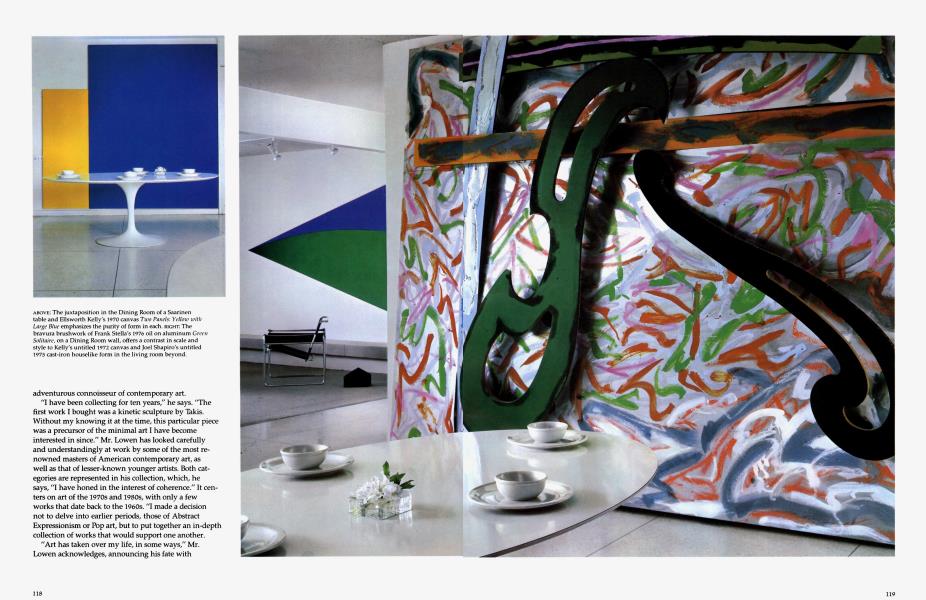
Paradoxically, as physical space tightens its grip, collectors adopt a philosophy of “less is more,” transforming their walls into curated sanctuaries rather than crowded galleries. Rather than overwhelming the senses, a single, exceptional piece commands attention, becomes a centerpiece, and invites deeper contemplation. This is not a diminishment of ambition but a refinement—an assertion that quality outweighs quantity.

Ambition Reimagined: Curation Over Accumulation
The shift away from wall-filling displays speaks to a broader cultural metamorphosis in art collecting. No longer satisfied with amassing an overwhelming trove of items, today’s collectors pursue a more sophisticated dialogue with each piece. Curation emerges as an art form in itself—each artwork is selected with a discerning eye, chosen not only for its intrinsic value but also for its contribution to an overarching narrative.
This elevated approach challenges the traditional notion of collecting as mere accumulation, favoring instead a cultivated story that resonates with personal identity and intellectual inquiry. Ambition, in this context, is untethered from sheer volume and instead manifests as a pursuit of depth, relevance, and resonance.
The Influence of Technology: Digital Expansion Beyond Physical Limits
While walls shrink, the digital realm explodes with opportunity. The advent of virtual galleries, augmented reality, and blockchain-backed provenance has provided collectors with an expansive canvas untethered from the constraints of physical space. Digital art platforms and NFTs (non-fungible tokens) enable collectors to amass vast and diverse portfolios without the logistical challenges of storage or display.
Thus, physical downsizing does not equate to diminished collection ambition. Instead, it reflects an astute embrace of technology’s role in redefining ownership and engagement. Collectors become pioneers of a hybrid model—maintaining select physical masterpieces in intimate settings while exploring and investing in burgeoning digital ecosystems that amplify their artistic reach.
The Emotional Economy: Curating Meaning Over Mass
Beyond the aesthetic and technological aspects lies an emotional dimension shaping why collectors downsize their walls. Each acquisition today is often closely tied to a story, a memory, or a cultural significance that renders the piece more than mere decor—it becomes a vessel of meaning.
By limiting the number of works on display, collectors create an emotional economy where each artwork holds amplified significance. This selective exposure cultivates a dialogue not only between the viewer and the art but also among pieces themselves, fostering a cohesive emotional landscape that continually evolves yet remains intimate and accessible.

Practical Considerations: Preservation and Provenance
Downsizing walls aligns with pragmatic concerns related to art preservation and provenance. Overloading spaces with numerous works can strain environmental controls necessary for maintaining art’s integrity. As stewardship becomes paramount, collectors prioritize optimal conditions over sheer quantity, ensuring each piece is preserved for future generations.
Moreover, the meticulous documentation increasingly required in today’s art market favors a pared-down collection that is easier to catalog and authenticate. This administrative agility enhances both the longevity and liquidity of a collection, empowering collectors to manage their assets with greater precision and confidence.
Community and Collaboration: Sharing Ambition Beyond Walls
Interestingly, as personal wall space contracts, the collector’s ambition often expands outward to embrace collaborative ventures. Private collections are increasingly integrated into public exhibitions, cultural institutions, and collective initiatives that amplify their impact and accessibility.
This ethos marks a shift from insular ownership to community-oriented engagement, where collectors imagine their collections as living, breathing entities contributing to broader cultural conversations. Rather than being confined to private walls, collections become active participants in a dynamic ecosystem of art appreciation and scholarship.
Ultimately, the question of why collectors are downsizing their walls—yet not their ambition—reveals a fascinating evolution in the art world. It’s a story of adaptation and refinement, where spatial limitations catalyze deeper engagement, technological advances transcend physical boundaries, and emotional connections endow each artwork with profound significance. As walls grow modest, ambitions soar boundlessly, redefining not only how art is displayed but also how it is cherished and shared in the contemporary collector’s journey.


Leave a Comment