

The red-soled shoe is not just a fashion statement—it’s a legal fortress. For decades, this singular hue has been the silent sentinel of luxury, the unspoken boundary between inspiration and infringement. Yet, in the cutthroat world of fast fashion, where trends are copied before the runway lights dim, the red sole stands as an unassailable bastion of intellectual property. Why? Because it’s not just about color. It’s about precedent. It’s about the day the courts drew a line in the sand and said, “Thus far, and no further.” This is the story of how a single shade became a legal titan—and why fast fashion will never dare to tread on its crimson ground again.

The Birth of a Legal Titan: When a Color Became a Brand
In the pantheon of luxury, few symbols are as instantly recognizable as the red sole of Christian Louboutin. What began as a whimsical design choice in 1993—a bold splash of lacquered red on the underside of a stiletto—evolved into something far greater: a trademark. But trademarks aren’t born; they’re forged in the fires of litigation and precedent. The journey began in 2008, when Louboutin filed a trademark application in the U.S. for the use of red lacquer on the soles of high-heeled shoes. The application was met with skepticism. The U.S. Patent and Trademark Office initially refused, arguing that a single color could not be trademarked for a product. Yet, Louboutin persisted. And in 2010, after a grueling legal battle, the Second Circuit Court of Appeals ruled in his favor. The red sole was not just a color—it was a brand.
This wasn’t merely a victory for Louboutin; it was a seismic shift in intellectual property law. The court’s decision hinged on the idea that the red sole had acquired “secondary meaning”—a legal term for when a feature, no matter how seemingly trivial, becomes inextricably linked to a single source in the consumer’s mind. The red sole wasn’t just red; it was Louboutin. And that distinction would ripple through the fashion industry, setting a precedent that would haunt fast fashion for years to come.
The Domino Effect: How One Case Redefined Fashion Law
The ramifications of the Louboutin v. Yves Saint Laurent case were immediate and far-reaching. For the first time, a color could be protected as a trademark, provided it met the stringent criteria of distinctiveness and secondary meaning. This sent shockwaves through the fashion world, where copying had long been the unofficial currency of the industry. Designers and retailers, particularly those in the fast fashion sector, suddenly found themselves navigating a legal landscape that had just become infinitely more treacherous.
Fast fashion, with its business model built on rapid replication of high-end designs, was particularly vulnerable. Brands like Zara, H&M, and ASOS, which had built empires on the backs of trend replication, now faced a new reality: the red sole was off-limits. But the implications extended beyond a single color. The Louboutin case established a precedent that would embolden other luxury brands to protect their signature elements—whether it was a specific stitch, a unique silhouette, or, in the case of Hermès, even the shape of a handbag. The message was clear: luxury brands were no longer content to rely on goodwill and reputation alone. They were arming themselves with the law.
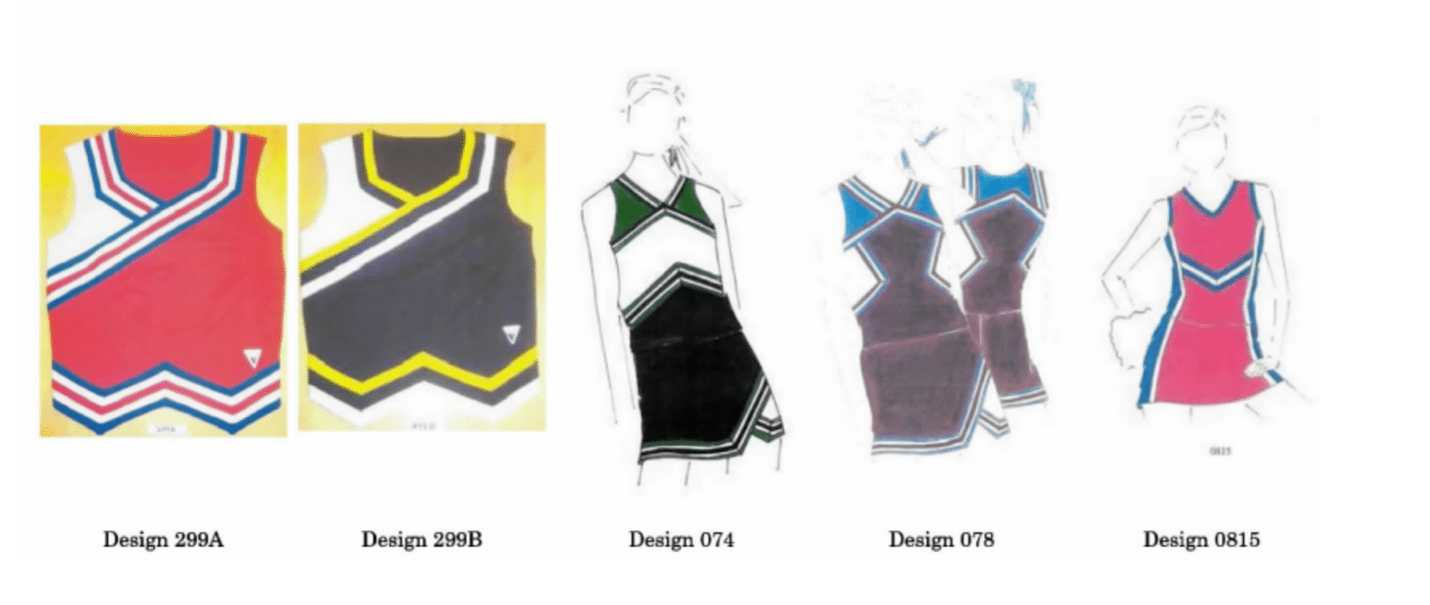
The Fast Fashion Paradox: Copying in the Shadow of the Law
Fast fashion thrives on speed, agility, and the ability to transform runway trends into affordable garments in a matter of weeks. But the Louboutin precedent introduced a new variable into this equation: legal risk. For years, fast fashion brands had operated in a legal gray area, where copying was more about audacity than consequence. The red sole changed all that. Suddenly, the calculus of replication became far more complex. Was the risk of litigation worth the potential reward? For many, the answer was a resounding no.
This shift forced fast fashion brands to adopt a more nuanced approach to design. Some turned to “inspired by” collections—vague enough to avoid direct infringement but close enough to evoke the luxury original. Others invested in legal teams to navigate the murky waters of intellectual property law, ensuring that their designs didn’t stray too close to protected elements. Yet, despite these precautions, the specter of litigation loomed large. The Louboutin case had demonstrated that the law was not just a tool for the wealthy—it was a weapon, and one that could be wielded with devastating precision.
But the paradox runs deeper. Fast fashion’s entire business model is built on the idea of democratizing luxury. By making high-end designs accessible to the masses, these brands have carved out a niche that is both commercially savvy and culturally significant. Yet, the red sole precedent has thrown a wrench into this narrative. If luxury brands can protect even the most seemingly insignificant design elements, what does that mean for the future of fashion? Is the industry on the cusp of a new era, where creativity is stifled by legal constraints, or will fast fashion find a way to innovate within the boundaries of the law?
The Global Ripple: How the Red Sole Became a Worldwide Watchword
The impact of the Louboutin case wasn’t confined to the United States. In Europe, where intellectual property laws are often more stringent, the red sole became a symbol of the broader struggle between fast fashion and luxury brands. The European Union Intellectual Property Office (EUIPO) initially rejected Louboutin’s trademark application, arguing that the red sole lacked the necessary distinctiveness. But Louboutin fought back, and in 2018, the EU’s highest court ruled in his favor, affirming that the red sole was indeed a protectable trademark across the continent.
This global recognition of the red sole’s legal status sent a clear message: the precedent set in the U.S. was not an anomaly. It was a trend. Luxury brands worldwide took note, filing lawsuits against fast fashion retailers for infringing on everything from iconic patterns to signature silhouettes. The message was unambiguous: the era of unchecked replication was over. The red sole had become a global watchword, a reminder that in the world of fashion, the law was no longer an afterthought—it was a first line of defense.
For fast fashion brands, this meant a fundamental shift in strategy. No longer could they rely on the excuse of “inspiration.” No longer could they hide behind the vagaries of trend cycles. The red sole had become a legal landmark, a point of no return in the battle for design originality. And as the law continued to evolve, so too did the tactics of fast fashion. Some brands turned to outright denial, arguing that their designs were coincidental. Others embraced the challenge, investing in legal teams to challenge trademarks and push the boundaries of what could be protected. But one thing was certain: the red sole had changed the game forever.
The Consumer’s Dilemma: Ethics, Aesthetics, and the Price of Access
The red sole precedent has also thrust consumers into a moral quandary. On one hand, fast fashion offers an undeniable allure: the ability to wear the latest trends at a fraction of the cost. On the other, the legal battles surrounding the red sole have laid bare the ethical costs of this accessibility. When a brand like Zara is forced to pull a shoe from its shelves due to a lawsuit, the question arises: who really pays the price? Is it the fast fashion retailer, or is it the consumer, who is left with fewer options and higher prices as luxury brands assert their dominance?
This dilemma is further complicated by the rise of “dupe” culture—the practice of finding affordable alternatives to luxury items. While some consumers view dupes as a form of rebellion against the elitism of high fashion, others see them as a direct challenge to the legal protections that luxury brands have fought so hard to secure. The red sole, in particular, has become a lightning rod for this debate. Is it ethical to replicate a design that has been legally protected? Or is the law simply a tool for maintaining the exclusivity of luxury, ensuring that only the wealthy can afford to wear the red sole?
These questions have no easy answers. But they underscore a fundamental truth: the red sole is more than just a color. It’s a symbol of the tension between accessibility and exclusivity, between innovation and imitation. And as the legal landscape continues to evolve, so too will the conversations around what it means to wear—and to own—a piece of fashion history.

The Future of Fashion: A World Without Unchecked Replication?
As we look to the future, one thing is clear: the red sole precedent has set a new standard for fashion law. Luxury brands are emboldened, fast fashion brands are on notice, and consumers are left to navigate a landscape that is increasingly shaped by legal battles rather than creative freedom. But what does this mean for the industry as a whole? Will we see a world where fashion is dictated by lawyers as much as by designers? Or will fast fashion find a way to innovate within the constraints of the law?
One possibility is that we’ll see a bifurcation of the industry. On one side, luxury brands will continue to assert their intellectual property rights, protecting every stitch, every color, every silhouette. On the other, fast fashion brands will double down on their ability to adapt, finding new ways to capture the spirit of luxury without crossing the legal line. This could lead to a renaissance of original design in the fast fashion sector, where brands are forced to innovate rather than replicate.
Alternatively, we may see a backlash against the legal protections that luxury brands have fought so hard to secure. Consumers, frustrated by the rising costs of fashion and the limitations imposed by lawsuits, may begin to demand change. This could lead to a reevaluation of intellectual property laws in fashion, with a greater emphasis on balancing the rights of designers with the needs of consumers.
Whatever the future holds, one thing is certain: the red sole has changed the game. It has forced the fashion industry to confront its own contradictions, to grapple with the ethical implications of its business models, and to redefine what it means to create—and to copy—in the 21st century. The red sole is no longer just a color. It’s a legal precedent. And it’s a reminder that in the world of fashion, the line between inspiration and infringement is not just a matter of taste—it’s a matter of law.
The era of unchecked replication is over. The red sole has seen to that. Now, the question is: what will fashion do next?


Leave a Comment