

Ever noticed how some film scores feel like they’re floating just out of reach—like a dream you can’t quite grasp? That’s the Lydian mode at work, weaving its magic through the soundtracks of your favorite movies. But why does this particular scale appear so often in film music? And more importantly, why aren’t you using it in your own compositions? Let’s dive into the sonic allure of the Lydian mode and uncover why it’s the secret weapon of cinematic storytelling.
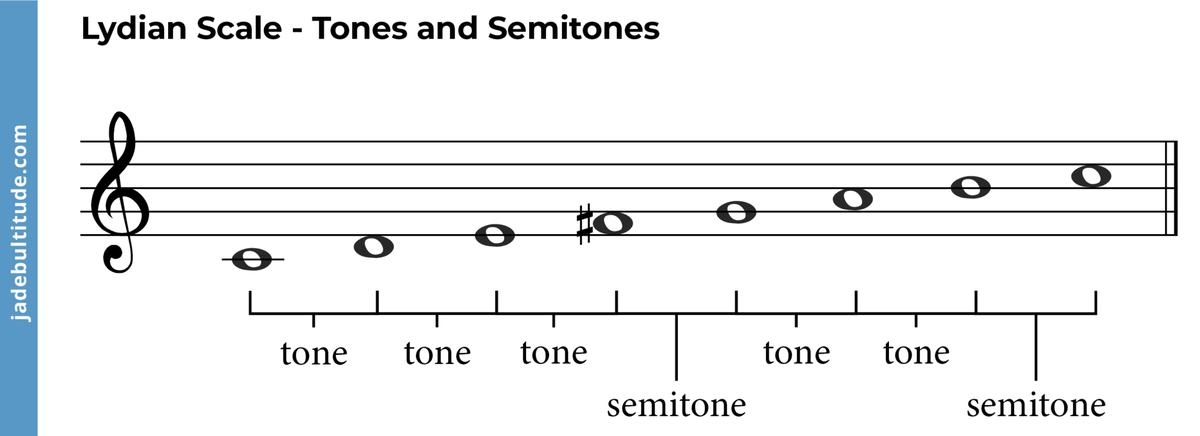
The Lydian mode isn’t just another musical tool—it’s a portal to otherworldly emotion. Unlike the more familiar major scale, which feels grounded and predictable, the Lydian mode introduces a subtle yet transformative twist: an augmented fourth. This single note shift—just a half-step higher than the perfect fourth in a major scale—creates a sense of wonder, mystery, and even a touch of the supernatural. It’s no wonder film composers turn to it when they want to evoke a sense of magic, adventure, or the unknown.
The Lydian Mode: A Sonic Elevator to the Uncanny
Imagine a scene where a hero stands at the edge of a cliff, gazing into the distance. The music swells, but instead of the usual triumphant major chords, there’s a shimmering, almost ethereal quality to the melody. That’s the Lydian mode in action. Its augmented fourth—let’s call it the “dream note”—adds a layer of ambiguity, making the music feel both familiar and alien at the same time.
Take, for example, the iconic theme from Star Wars. John Williams doesn’t just rely on heroic brass and soaring strings; he weaves in Lydian harmonies to create a sense of cosmic vastness. The augmented fourth in the melody gives the music a floating, weightless quality, as if the characters are traversing the galaxy itself. It’s not just a scale—it’s a narrative device.
But why does this work so well in film? Because the Lydian mode doesn’t just sound different—it feels different. It taps into something primal, something that resonates with our subconscious. When we hear that augmented fourth, our brains register it as both exciting and unsettling, a paradox that mirrors the emotional complexity of cinematic storytelling.
The Challenge of the Lydian Mode: Why It’s Harder Than It Looks
Here’s the catch: the Lydian mode is deceptively simple to play but devilishly tricky to wield effectively. Its dreamy, open sound can easily veer into cliché if not handled with care. Many composers fall into the trap of overusing it, turning what should be a magical moment into something saccharine or predictable. The key lies in restraint—and in knowing when to let the Lydian mode shine.
Consider the difference between a Lydian passage that feels like a fleeting moment of wonder and one that feels like a crutch. The former is intentional, purposeful, and integrated into the emotional arc of the scene. The latter is lazy, a shortcut to evoke emotion without doing the hard work of crafting a compelling melody. The Lydian mode demands precision, not just in execution but in intention.
From Fantasy to Sci-Fi: Where the Lydian Mode Thrives
The Lydian mode isn’t just for epic adventures—it’s a chameleon that adapts to any genre. In fantasy films, it’s the sound of ancient magic, of forgotten realms where anything is possible. In sci-fi, it’s the hum of a spaceship engine, the whisper of an alien world just beyond the horizon. Even in dramas, a well-placed Lydian phrase can elevate a moment from ordinary to transcendent.
Take E.T. the Extra-Terrestrial, for instance. The score by John Williams is a masterclass in using the Lydian mode to evoke childhood wonder and otherworldly friendship. The augmented fourth in the main theme isn’t just a note—it’s a bridge between the human and the extraterrestrial, a sonic representation of connection across the void.
Or consider The Lord of the Rings, where Howard Shore’s use of the Lydian mode in the Shire theme gives Middle-earth a sense of timelessness and innocence. It’s not just a pastoral melody—it’s a sonic invitation to a world where magic feels real.
How to Harness the Lydian Mode in Your Own Music
So, how can you incorporate the Lydian mode into your compositions without falling into the trap of cliché? Start by treating it like a spice—use it sparingly, and only when it serves the dish. A single Lydian chord in an otherwise diatonic progression can add a touch of magic. A full Lydian passage can transport the listener to another realm.
Experiment with modal interchange. Borrow the Lydian mode from a parallel key to add a moment of surprise. For example, if you’re writing in C major, try slipping in a G Lydian chord for a fleeting moment of brilliance. The contrast will be striking, and the emotional payoff will be worth it.
Don’t be afraid to blend modes. The Lydian mode doesn’t have to exist in isolation. Pair it with Dorian for a mystical, folk-inspired sound, or mix it with Phrygian for a darker, more exotic flavor. The possibilities are endless—if you’re willing to take the risk.
And finally, listen to the masters. Study how John Williams, Howard Shore, and other film composers use the Lydian mode to elevate their scores. Pay attention to the context—the scenes, the emotions, the narrative beats that make the Lydian mode shine. Then, take those lessons and apply them to your own work.

The Lydian Mode: Your Secret Weapon for Unforgettable Music
The Lydian mode is more than just a scale—it’s a gateway to emotion, a tool for storytelling, and a way to make your music feel truly magical. Whether you’re scoring a film, writing a song, or composing for a game, the Lydian mode can be your secret weapon. But remember: with great power comes great responsibility. Use it wisely, and your music will soar to new heights.
So, the next time you’re crafting a melody, ask yourself: what if I leaned into the dream note? What if I let the Lydian mode take the reins? The answer might just be the most magical moment in your composition.


Leave a Comment