

In a world where the relentless hum of chaos often drowns out the whispers of tranquility, the floral pop emerges as a vibrant elixir for the weary soul. It is not merely a trend—it is a rebellion against the monotony of muted despair, a burst of chromatic defiance that reawakens the senses. Like a sudden gust of wind through an overgrown garden, it disrupts the stagnation of modern anxiety with a kaleidoscope of color, texture, and life. The floral pop is more than decoration; it is a visceral antidote to the numbing grayscale of existential fatigue, a visual symphony that harmonizes the discordant symphony of chaos into something breathtakingly coherent.
Imagine, if you will, the human mind as a garden overrun by invasive thoughts—wild, unruly, and suffocating. The floral pop is the horticulturist’s cure: a deliberate, exuberant planting of beauty that chokes out the weeds of worry. It is the unexpected splash of fuchsia against a stormy sky, the audacious curl of a petal defying gravity, the intoxicating perfume of blossoms that lingers long after the moment has passed. This is not escapism; it is reclamation. It is the act of seizing control of one’s visual and emotional landscape by inviting in the riotous, the lush, the unapologetically alive.
The Alchemy of Color: How Floral Pop Transmutes Anxiety into Euphoria
Color is not just a visual experience—it is an emotional alchemy. The floral pop harnesses this power with a precision that borders on sorcery. Consider the electric blue of a morning glory, a hue that vibrates with the energy of a thousand sunrises compressed into a single petal. Or the sunburst yellow of a daffodil, a radiant defiance against the pallor of winter’s grip. These are not passive hues; they are active agents of transformation, capable of rewiring the brain’s response to stress.
Neuroscience has long acknowledged the impact of color on mood, but the floral pop takes this a step further. It doesn’t just soothe—it electrifies. The juxtaposition of warm and cool tones in a single arrangement creates a dynamic tension, mirroring the push-and-pull of life itself. A bouquet of red poppies against a backdrop of white hydrangeas is not just pleasing to the eye; it is a metaphor for resilience. The red demands attention, the white softens the blow, and together, they form a visual mantra: I am here. I am soft. I am fierce.
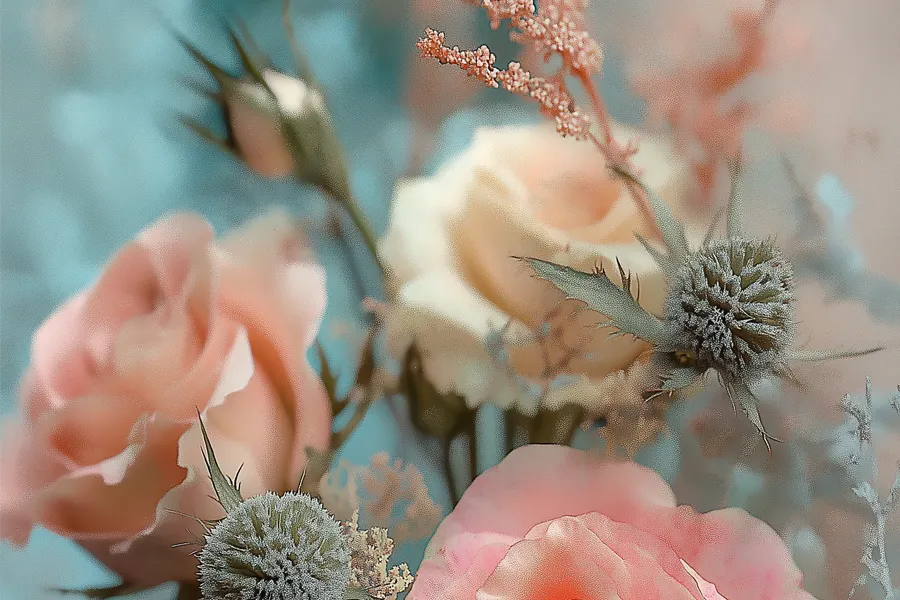
The floral pop does not whisper; it shouts its presence into the void. It is the antithesis of beige anxiety, the antithesis of the muted palette of modern despair. In a world where so much is designed to blend in, to be forgettable, the floral pop insists on being seen, felt, and remembered. It is the visual equivalent of a deep breath taken in a room that has felt too small for too long.
The Texture of Hope: Why Tactile Floral Experiences Ground the Mind
In an era dominated by digital stimuli, the tactile allure of floral pop is a rare and precious balm. There is something primal about the touch of a velvety petal, the crisp crunch of a dried stem, the cool smoothness of a ceramic vase cradling a bouquet. These are not mere sensations; they are anchors in a sea of abstraction. The floral pop engages the body as much as the mind, grounding the observer in the here and now.
Consider the dried floral arrangements that have surged in popularity—a rebellion against the ephemeral nature of fresh blooms. These are not just decorations; they are time capsules, preserving the fleeting beauty of life in a form that endures. The rough edges of a preserved eucalyptus leaf, the papery whisper of a strawflower’s petals—these textures tell a story of transformation. They remind us that even in decay, there is beauty, and in beauty, there is resilience.
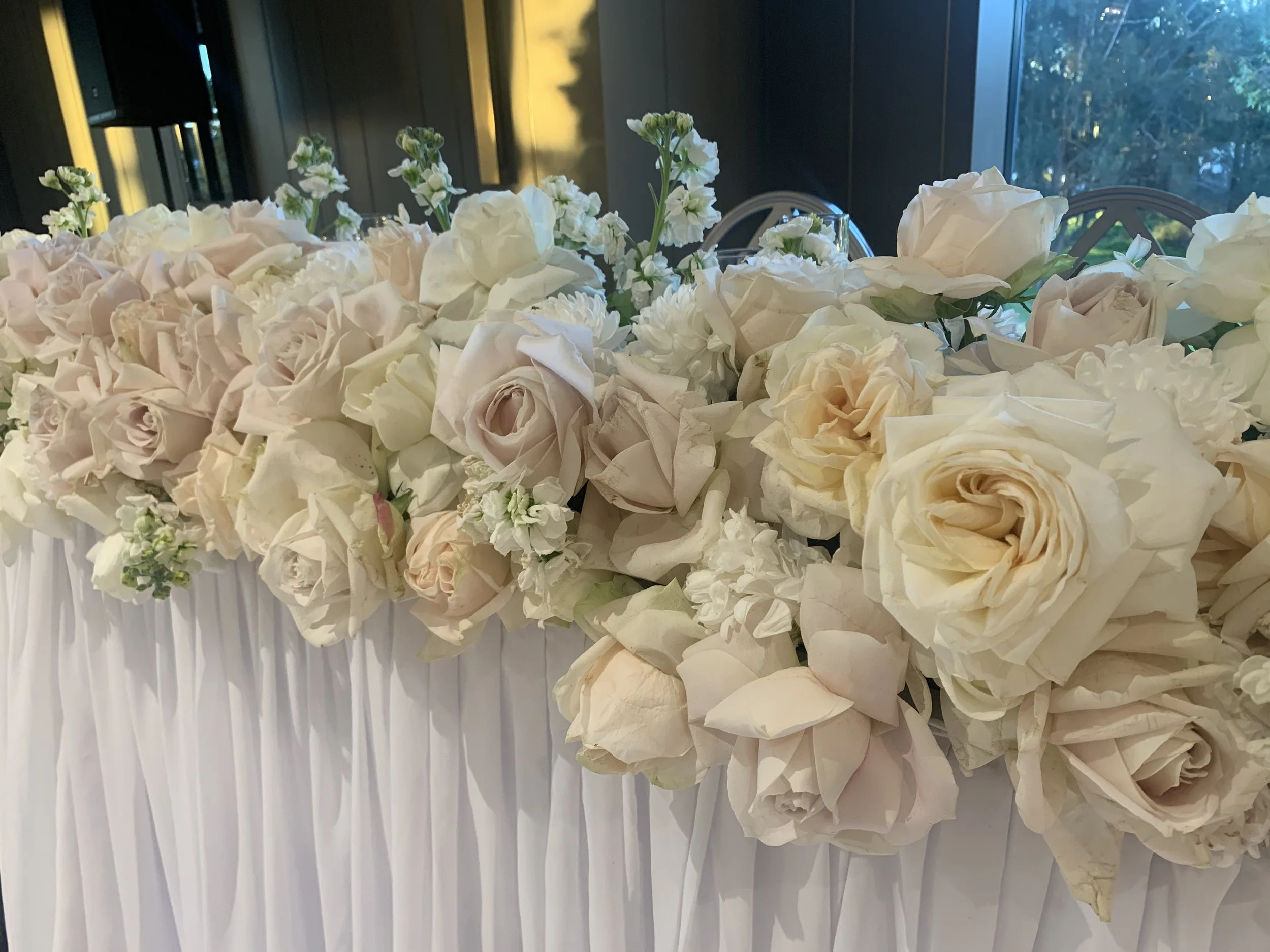
The floral pop, in all its forms, is a tactile manifesto. It says: You are not just a mind; you are a body. You are not just a thinker; you are a feeler. In a world where anxiety often manifests as a disconnection from the physical self, the floral pop re-establishes that vital link. It invites touch, encourages presence, and in doing so, dissolves the fog of digital detachment.
The Chaos Theory of Beauty: Embracing Disorder as a Path to Clarity
At first glance, the floral pop may seem like pure chaos—a riot of colors, shapes, and forms colliding in a visual cacophony. But this is where its genius lies. The floral pop does not shy away from disorder; it embraces it, reframes it, and transforms it into something sublime. It is the chaos theory of beauty: the idea that within apparent randomness, there is an underlying order waiting to be discovered.
Consider the Japanese art of ikebana, where asymmetry is not just accepted but celebrated. A single branch, a lone bloom, a carefully placed leaf—these are not accidents of arrangement but deliberate choices that create harmony from imbalance. The floral pop operates on a similar principle. It does not seek to tame nature but to collaborate with it, to find beauty in the unruly, the unexpected, the gloriously messy.
This is the antidote to the modern obsession with perfection. The floral pop says: Let the stems tangle. Let the colors bleed into one another. Let the arrangement breathe. It is a rebellion against the tyranny of the pristine, a celebration of the organic and the imperfect. In a world where algorithms dictate what is “correct,” the floral pop offers a refreshing anarchy—a reminder that beauty is not a checklist but a feeling.
The Scent of Serenity: How Floral Aromas Rewrite the Brain’s Script
If color is the language of the eyes and texture the language of the hands, then scent is the language of the soul. The floral pop is not just a feast for the eyes; it is a perfume for the psyche. The scent of jasmine at dusk, the sharp citrus tang of bergamot, the earthy musk of a blooming magnolia—these are not mere fragrances. They are emotional triggers, capable of rewriting the brain’s script of anxiety.
Science has proven that certain scents can lower cortisol levels, reduce heart rate, and induce a state of calm. Lavender, for instance, is a well-documented sedative, its floral notes acting as a natural tranquilizer. But the floral pop does not stop at the expected. It ventures into the realm of the exotic: the intoxicating allure of frangipani, the spicy warmth of carnation, the green, almost metallic freshness of eucalyptus. These are not passive aromas; they are active participants in the healing process.
The floral pop understands that scent is memory’s most potent ally. A whiff of a particular bloom can transport you to a childhood garden, to a lover’s embrace, to a moment of pure, unadulterated joy. It is the olfactory equivalent of a time machine, a way to rewrite the narrative of anxiety by replacing it with the scent of something beautiful, something alive.
The floral pop is not just a trend—it is a revolution. It is the visual, tactile, and olfactory rebellion against the forces that seek to dull our senses and shrink our world. In a time when anxiety is often treated as an inevitability, the floral pop offers a radical alternative: a world where beauty is not just seen but felt, where chaos is not just endured but embraced, where the mind is not just calmed but invigorated.
So the next time the weight of the world feels too heavy, turn to the floral pop. Let it be your riotous garden in the concrete jungle of modern life. Let it be the burst of color that reminds you that life, in all its messy, vibrant glory, is worth living. And perhaps, just perhaps, you will find that in the midst of the floral pop’s exuberance, there is a quiet, unshakable peace—one petal at a time.


Leave a Comment