

In the evolving landscape of art collection, Generation Z is emerging not just as a new demographic, but as a catalyst for seismic shifts in taste, preference, and philosophy. Unlike the traditional art connoisseur who might gravitate toward grandiose canvases or meticulously polished sculptures, Gen Z collectors find themselves irresistibly drawn to “messy green” artworks and diminutive pieces that defy the conventional norms of value and beauty. This emerging preference offers more than a trend; it promises a paradigm shift—a profound reimagining of what art means, how it connects, and the narratives it embodies. The fascination with these seemingly unorthodox creations is not merely aesthetic but deeply symbolic, echoing broader cultural currents that emphasize authenticity, sustainability, and intimacy.
The Allure of Messy Green: An Ode to Imperfection and Nature
The term “messy green” evokes images of organic spontaneity and unrefined vitality. These are artworks that often incorporate raw, unfiltered swathes of green—be it through paint, moss, recycled materials, or mixed media—to conjure a sense of wilderness encroaching into the sterile spaces of modern life. For Gen Z, who have grown up acutely aware of ecological crises and environmental fragility, messy green art is more than a color choice; it represents a visual manifesto.
This aesthetic embraces imperfection and disorder as a form of resistance against the polished, product-driven art market. By choosing pieces that celebrate chaotic beauty and ecological motifs, Gen Z collectors assert a commitment to processes that are organic and evolving, rather than static and commodified. The “messiness” in the green not only reflects nature’s uncontrollable and ever-changing essence but also symbolizes a rejection of rigid societal structures and consumerism.

Moreover, messy green art often challenges viewers to reconsider their relationship with the environment. It beckons introspection—a call to witness decay, growth, and regeneration simultaneously. This duality resonates strongly with Gen Z’s urgency for climate action paired with an understanding of nature’s resilience. The artworks become sites of contemplation, reminding collectors daily that beauty does not have to be pristine—it can be wild, untethered, and profoundly real.
Why Size Matters: The Compelling Intimacy of Small Artworks
In stark contrast to the grandiosity often associated with traditional art pieces, Gen Z collectors are increasingly gravitating towards smaller, more intimate works. This preference is not about limitation—it is about magnifying personal engagement and accessibility. Small art invites a closer inspection; it demands an intentional encounter that larger works may inadvertently diffuse.
The intrigue of small-scale art lies in its delicacy and approachability. It transforms art from a spectacle into a private dialogue. For a generation raised in the age of digital immediacy and fleeting impressions, small pieces evoke a slower, more deliberate consumption of visual culture. They offer a tactile and introspective experience, combating the overwhelming onslaught of stimuli with focused appreciation.
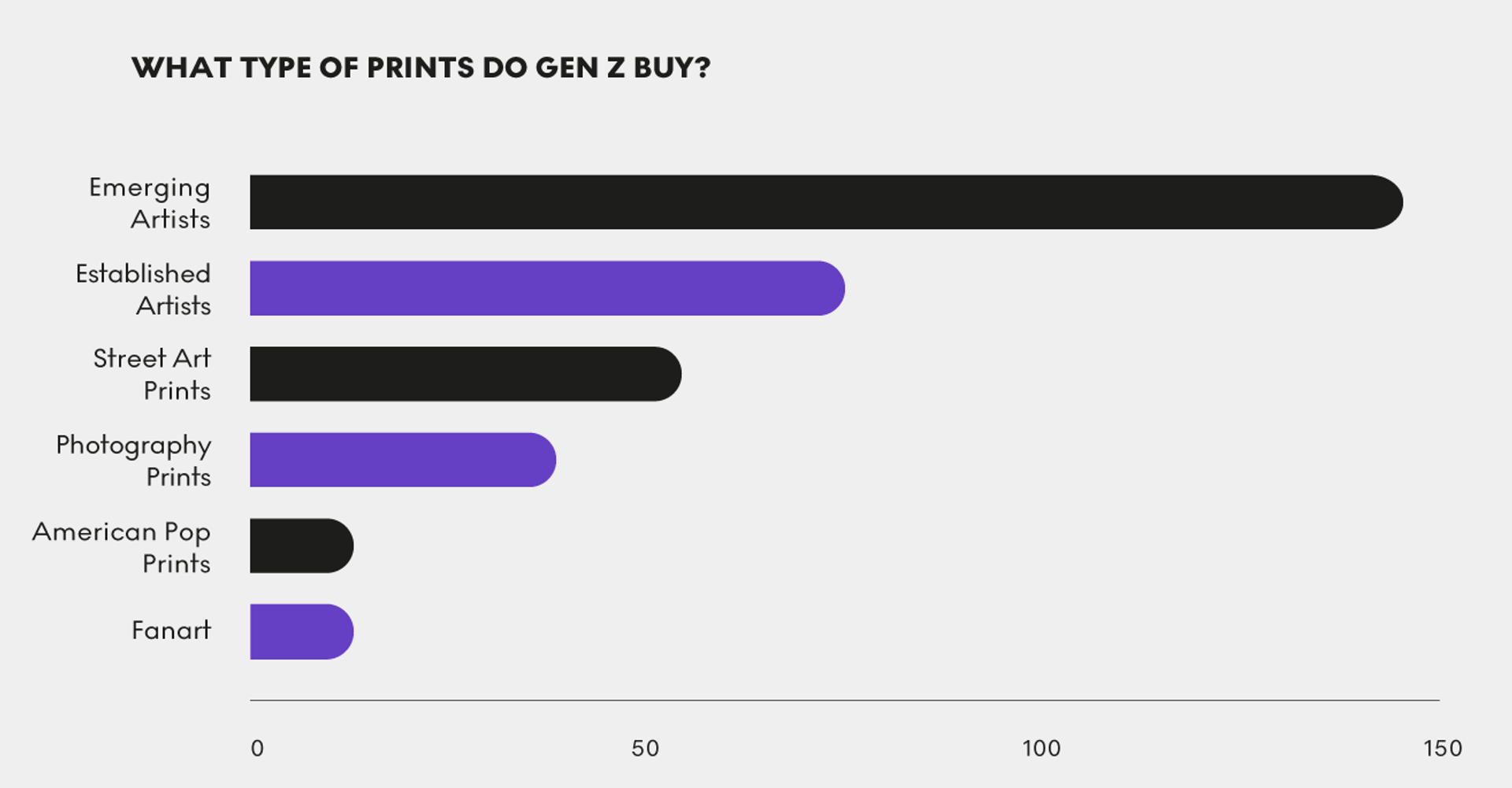
Additionally, small art fits snugly into the lifestyle and spatial realities of many Gen Z individuals. Urban living and transient life patterns create a demand for art that is portable, adaptable, and personal. These pieces can inhabit small apartments, dorm rooms, and shared spaces, becoming integral parts of daily life rather than detached museum objects. The scale fosters a sense of ownership and intimacy, enabling collectors to curate micro-universes of meaning within their private domains.
Messy Green and Small Art: An Interwoven Narrative of Sustainability and Identity
The convergence of messy green aesthetics and the affinity for small art reveals a larger narrative about identity, activism, and sustainability. Gen Z collectors are not merely acquiring objects; they are engaging with values expressed through these artworks. The messy green palette nods toward environmental consciousness, while the modest dimensions reflect a measured consumption ethic—a deliberate choice to value quality, meaning, and impact over mass accumulation.
These choices mirror a generation determined to rewrite the rules of ownership and cultural capital. The messy, imperfect elements in their collections celebrate vulnerability and authenticity, opposing the hyper-curated digital personas often prevalent in social media. The small scale, meanwhile, aligns with a minimalist ethos, prioritizing space not for excess but for reflection, growth, and fluid identity construction.
In a sense, messy green and small art together symbolize a dual rebellion—a rejection of both environmental neglect and the overinflated exclusivity of classical art institutions. They hint at a future where art is democratized, embedded in lived experience, and aligned intimately with personal and planetary well-being.
The Future of Art Collecting Through the Gen Z Lens
As these new priorities solidify, collectors and artists alike are beginning to rethink how art is created, shared, and valued. The emphasis on messy green and small art heralds a shift toward diverse, inclusive, and experimental creativity. Gen Z collectors are drawn to emerging artists who employ unconventional mediums and formats—organic textiles, recycled plastics, even interactive digital elements imbued with natural aesthetics.
This evolving landscape also encourages museums, galleries, and brokers to broaden their definitions of prestige to include works that are environmentally conscious, modest in size, and rich in narrative complexity. Conventional hierarchies of scale and polish are being questioned, giving rise to a culture where emotional resonance and sustainability hold as much weight as provenance and rarity.

Furthermore, these shifts intricately link art collecting with community building and social activism. Small, messy green artworks become focal points for dialogue, education, and collaborative expression. They are tangible proofs of alliance between humanity and nature, and of a shared quest for a more equitable cultural future.
Ultimately, why Gen Z collectors want messy green and small art reveals a profound transformation in values and vision. It challenges the art world to embrace imperfection, intimacy, and environmental stewardship. It invites us all to reconsider what we treasure, how we relate, and the legacies we hope to leave behind. In this pursuit lies not just new artistry, but a renewed promise of connection—an art that is alive, messy, small, and grand in its authenticity.


Leave a Comment