

In the sprawling panorama of artistic endeavor, few concepts captivate as thoroughly as the idea of “living” art. It is an art form that defies stasis, pulsating with vitality and reshaping itself with every passing moment. This kinetic existence embodies the quintessence of chaoticism—a philosophy that embraces disorder and unpredictability not as flaws, but as the wellspring of creativity and profound expression. Living art shatters the glass barriers of traditional aesthetics, beckoning viewers into a dynamic symphony of sensation and thought.
The Essence of Chaoticism in Living Art
Chaoticism, in its rawest form, celebrates the simultaneous existence of order and disorder, the interplay of unpredictability that mirrors life itself. Living art manifests this duality spectacularly. Unlike static canvases or sculptures, living art ebbs and flows, reacting to its environment, audience, and even time. It is art in flux—much like a living organism—that evolves beyond the artist’s initial conception, inviting an ongoing dialogue between creation and observer.
Imagine an artwork that breathes with shifting textures, a sculpture that morphs form based on human interaction, or a mural that reconfigures itself with digital algorithms. Such works embrace chaoticism by defying permanence, requiring audiences to relinquish control and embrace uncertainty. This ongoing metamorphosis stimulates a profound consciousness of impermanence and unpredictability, entwining chaos with profound creative vitality.
Visual Dynamism: The Living Canvas
Living art extends its reach through visual dynamism, crafting experiences that are vibrant and mercurial. It can manifest as bio-art that incorporates living organisms like bacteria or plants, which grow and change continuously, making the artwork organic and self-modifying. These components challenge perceptions of beauty and decay, demonstrating a cycle that thrives within chaoticism.
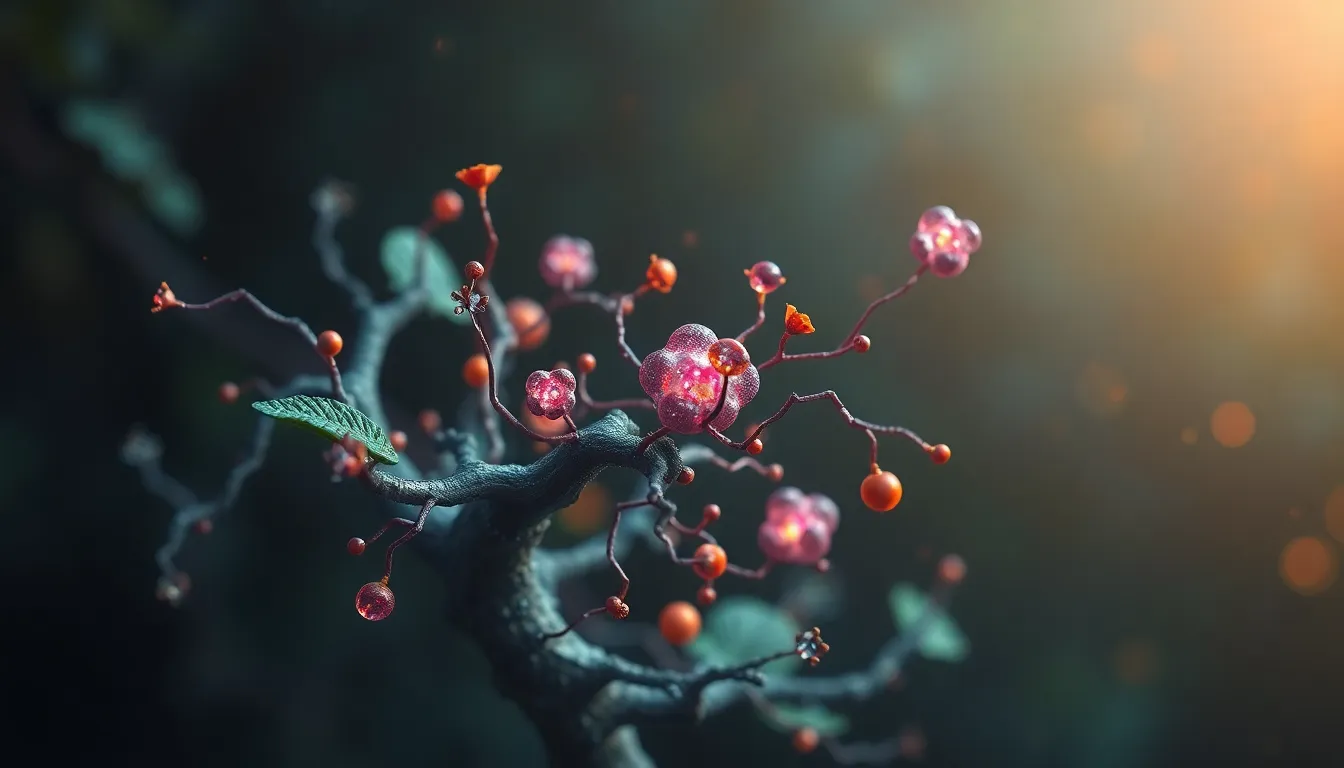
The visual intrigue of living art lies in its refusal to be confined. The colors may shift like the northern lights, textures could ripple akin to the surface of a restless sea. The spectator is no longer an outsider gazing passively but becomes an integral component of the composition. Their presence may trigger changes, alter the color palette, or influence the shape. The artwork becomes a mirror reflecting chaos and creativity in tandem.
Emotional Resonance: A Dance with the Unpredictable
One of the most compelling attributes of living art is its emotional resonance, heightened by its unpredictability. Human emotions themselves are turbulent and often chaotic; living art acts as a conduit that channels such volatility into palpable experience. The unpredictability kindles a raw emotional response—exhilaration, unease, wonder—drawing observers into an intimate interplay with flux and transformation.
By surrendering to the mercurial nature of the artwork, viewers encounter a reflection of their internal chaos. This cathartic encounter generates empathy and insight, a profound connection that static art often struggles to deliver. Living art becomes a shared journey through disorder, highlighting chaos not as cacophony, but as an elemental narrative thread weaving disparate emotions into a coherent tapestry.
Multisensory Interactions: Beyond the Visual
Living art transcends the confines of visual stimulus, entering the realm of multisensory engagement—a realm where sound, touch, temperature, and even scent coalesce into an immersive maelstrom of sensation. Such works exploit technology, biology, and human interaction to craft environments that respond to external stimuli unpredictably yet meaningfully.
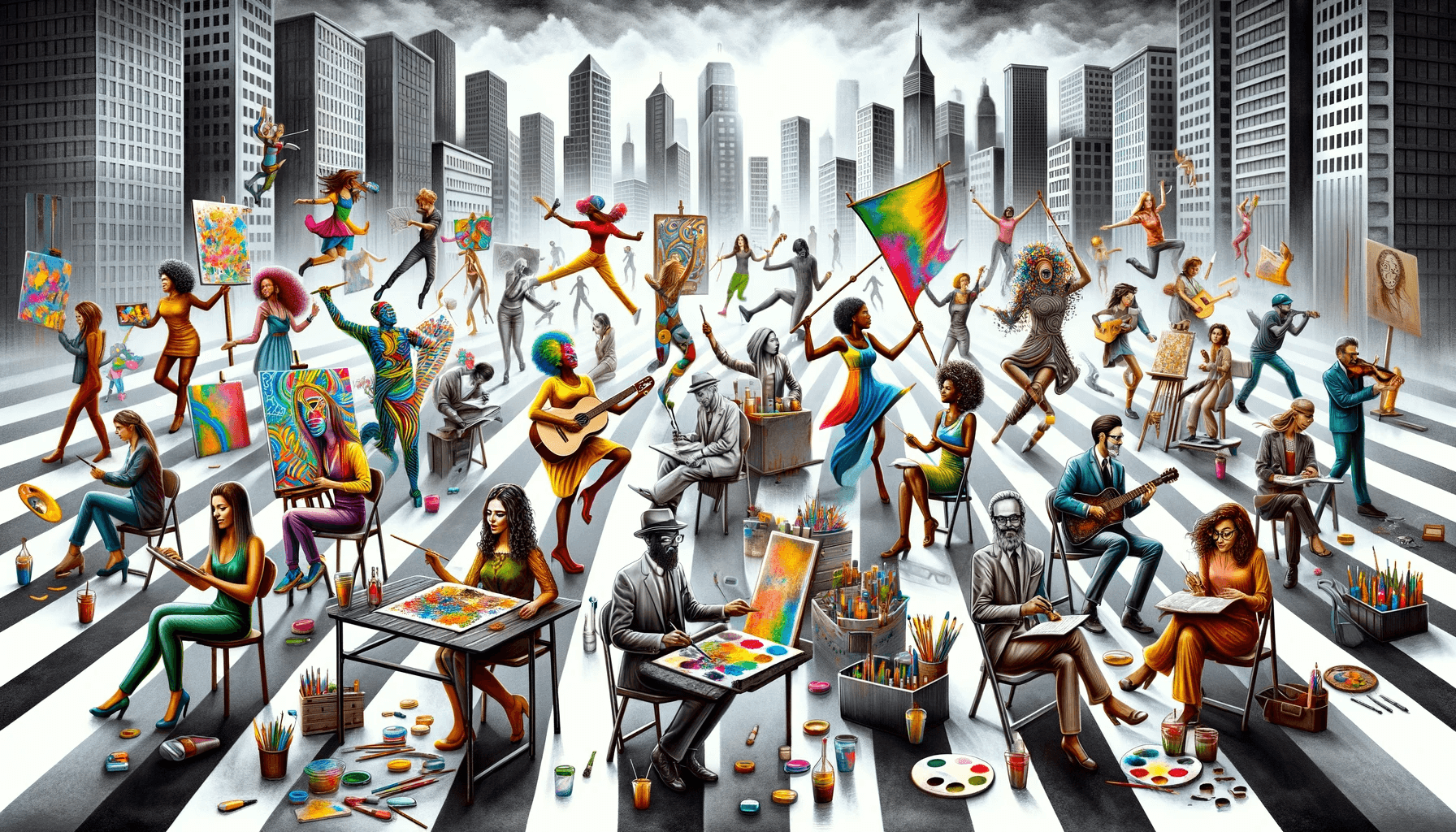
Consider installations that generate soundscapes reflecting a viewer’s heartbeat or that shift surface textures under the influence of room temperature. These multilayered encounters exemplify chaoticism on multiple fronts. The sensory unpredictability immerses audiences deeply—a fleeting brush of a hand, a change in mood, or even the rustle of clothing can orchestrate an entirely new experience. The artwork becomes not just witnessed but inhabited, a living organism feeding on and transforming with sensory input.
Philosophical Implications: Chaos as Creation
At its core, living art challenges entrenched philosophical notions about order, perfection, and the nature of art itself. Traditional art often seeks to encapsulate ideals—permanence, symmetry, a finished product. Living art rejects these constraints, positing that true beauty and meaning arise from entropy, variability, and unresolved tension. This ideology positions chaoticism not as destructive but as fertile ground for creation.
The philosophy underpinning living art asks us to reconsider our relationship with uncertainty. Instead of fearing chaos, it urges embracing it as a foundational principle—one that mirrors our existential reality. In this light, living art is a manifesto of liberation. By relinquishing rigid expectations and control, it invites a radical kind of self-expression and authenticity that thrives in complexity and imperfection.
The Future of Living Art and Chaoticism
Emerging technologies such as AI, biotechnology, and interactive media accelerate the evolution of living art, offering new vectors for chaotic expression. Imagine artworks that grow genetic traits, that predictably fail, or that learn from viewers to evolve uniquely with each interaction. These possibilities are not distant fantasies but realities beginning to redefine the artistic spectrum.

These advancements herald a new epoch where living art is recognized as not only an artistic phenomenon but a philosophical and ecological paradigm. It nurtures a deeper symbiosis between humanity, nature, and technology—a chaotic dance that promises continual renewal and boundless creative horizons.
In sum, living art is the ultimate embodiment of chaoticism, weaving physical transformation, sensory immersion, emotional depth, and philosophical inquiry into a vibrant whole. It compels us to witness not just art, but life’s intricate chaos itself—a ceaseless flux where beauty is born from the unpredictable and the ephemeral. To experience living art is to embrace chaos with open arms, recognizing in its perpetuity a profound expression of human creativity and cosmic vitality.


Leave a Comment