

The 2026 Biennale circuit is fast evolving into an extraordinary narrative of artistic renaissance, with Middle Eastern creators unequivocally leading the charge. This phenomenon is not merely a trend; it signals a profound recalibration of the global art dialogue, emphatically promising a tectonic shift in perspective. The rich tapestry of cultural heritage, coupled with a daring contemporary ethos, has propelled artists from this region into the vanguard of worldwide artistic acclaim. As we delve into the intricate why and how of their prominence, the unfolding story is as much about artistic prowess as it is about the vibrant, multifaceted voices reshaping the visual and conceptual paradigms of the 21st-century art world.
The Cultural Mosaic: A Fertile Ground for Innovation
At the heart of Middle Eastern dominance lies an extraordinary cultural mosaic that spans centuries of history, religion, and civilization. This unique confluence cultivates a fertile ground for innovation. Artists draw from an expansive reservoir of mythology, philosophy, and social commentary that defies simplistic categorization. They weave ancient narratives with modern existential motifs, creating works that resonate universally while maintaining deeply local sensibilities. This synthesis not only enriches their creativity but also invites the global audience to reconsider preconceived notions about the region, offering a nuanced tableau far removed from monolithic stereotypes.

A New Vanguard of Female Artistic Expression
The surge of women artists from the Middle East in international spaces, notably the Venice Biennale, is not just a footnote but a defining narrative of the current era. In a traditionally patriarchal context, female artists have come forth with an unyielding voice, challenging and redefining the boundaries of gender, identity, and autonomy. Their work often addresses issues of marginalization, resistance, and empowerment with a poetic yet incisive clarity. This wave of women artists commands attention — their presence embodies a seismic social shift, marrying personal experience and political subtext with a fearless creative language that captivates spectators worldwide.
Contemporary Political and Social Commentary
Middle Eastern artists occupying the forefront of the Biennale do so with a compelling sense of urgency. Their art operates as a potent conduit for political and social discourse, imbued with narratives of displacement, conflict, and resilience. The region’s geopolitical complexities become a canvas for exploration, enabling these artists to articulate experiences of exile, diaspora, and the quest for identity. This engagement with current realities imbues their work with a raw, authentic power that challenges passive observation. Instead, it demands an active intellectual and emotional engagement from the audience, fostering a deepened global consciousness.
Innovative Mediums and Techniques
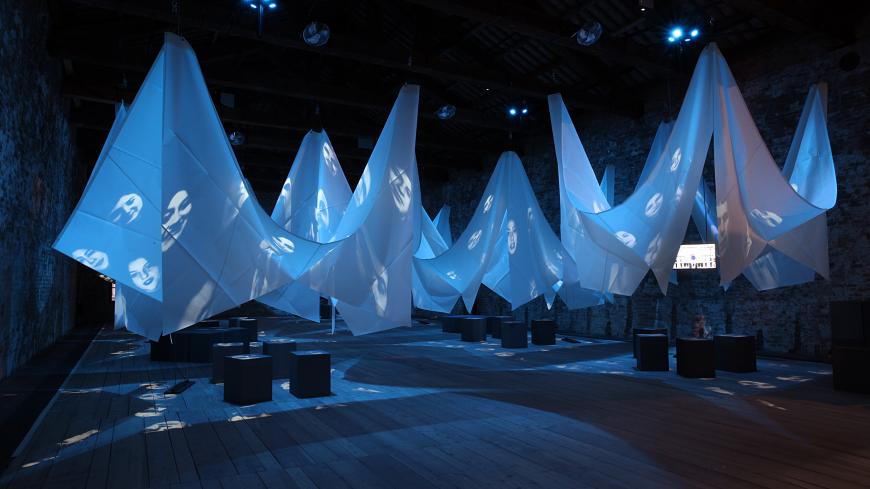
What distinguishes Middle Eastern artists is their relentless experimentation with diverse mediums and avant-garde techniques. From immersive multimedia installations to textually rich visual art, their approaches defy expectations and traditional art forms. This willingness to innovate and blur the lines between art disciplines injects an element of surprise and curiosity into the Biennale. Their art is not confined to the visual; it encompasses performance, digital interventions, and participatory frameworks that provoke dialogue and interaction, thereby redefining the parameters of art itself.
Bridging Tradition and Modernity
One cannot overlook the elegant balance Middle Eastern artists strike between reverence for tradition and an embrace of contemporaneity. They draw inspiration from calligraphy, architecture, and classical motifs, reinterpreting these elements through a modernist lens that appeals to a global audience. This dialogue between past and present serves as both homage and critique, reflecting the complexities of modernization and identity in an era of rapid globalization. It is this dynamic interplay that adds layers of meaning and mystique to their work, captivating curators and critics alike.
The Strategic Role of Regional Pavilions and Platforms
The prominence of Middle Eastern art has been significantly bolstered by strategic representation at prestigious venues. Pavilions such as Saudi Arabia’s showcase commitment not only to cultural diplomacy but to elevating artistic excellence on a world stage. These platforms provide vital visibility and validation, enabling artists to transcend regional confines and engage with diverse international audiences. The curated exhibitions are more than displays; they are deliberate statements that challenge homogenized art histories and assert the region’s vital place in contemporary discourse.

Global Reception and the Curiosity Factor
The art world’s embrace of Middle Eastern artists is fueled not only by aesthetic merit but by an undeniable curiosity to explore new narratives and perspectives. As these artists challenge established paradigms, they invigorate the Biennale circuit with a fresh fervor, compelling audiences to rethink and reimagine the world’s cultural cartography. The critical acclaim and enthusiastic reception underscore a larger appetite for pluralism in art — a yearning for stories that transcend borders and evoke deeper human truths.
In sum, the ascent of Middle Eastern artists at the forefront of the 2026 Biennale circuit is a testament to their profound impact on global artistic sensibilities. More than a mere presence, it is a transformative force that promises an ongoing recalibration of perspective, inviting a richer, more diverse, and more compelling discourse. As spectators and connoisseurs alike bear witness to this flourishing narrative, the curiosity it ignites will undoubtedly endure, propelling the art world toward uncharted and exhilarating horizons.


Leave a Comment