

Minimalism has long been synonymous with stark, empty rooms and an austere aesthetic—clean lines, expansive white walls, and an almost monastic restraint in decor. Yet, as we approach 2026, a subtle but profound paradigm shift is emerging. Minimalism now reverberates not through the absence of things but through an intentional curation of numerous small, meaningful objects. This evolution speaks to a deeper cultural and psychological cadence, challenging preconceived notions of space, value, and sensory engagement. The rise of “more small things” as a minimalist ideal is a narrative worth exploring, revealing a compelling blend of restraint and abundance that intrigues and captivates in equal measure.
Reimagining Space: From Void to Intimacy
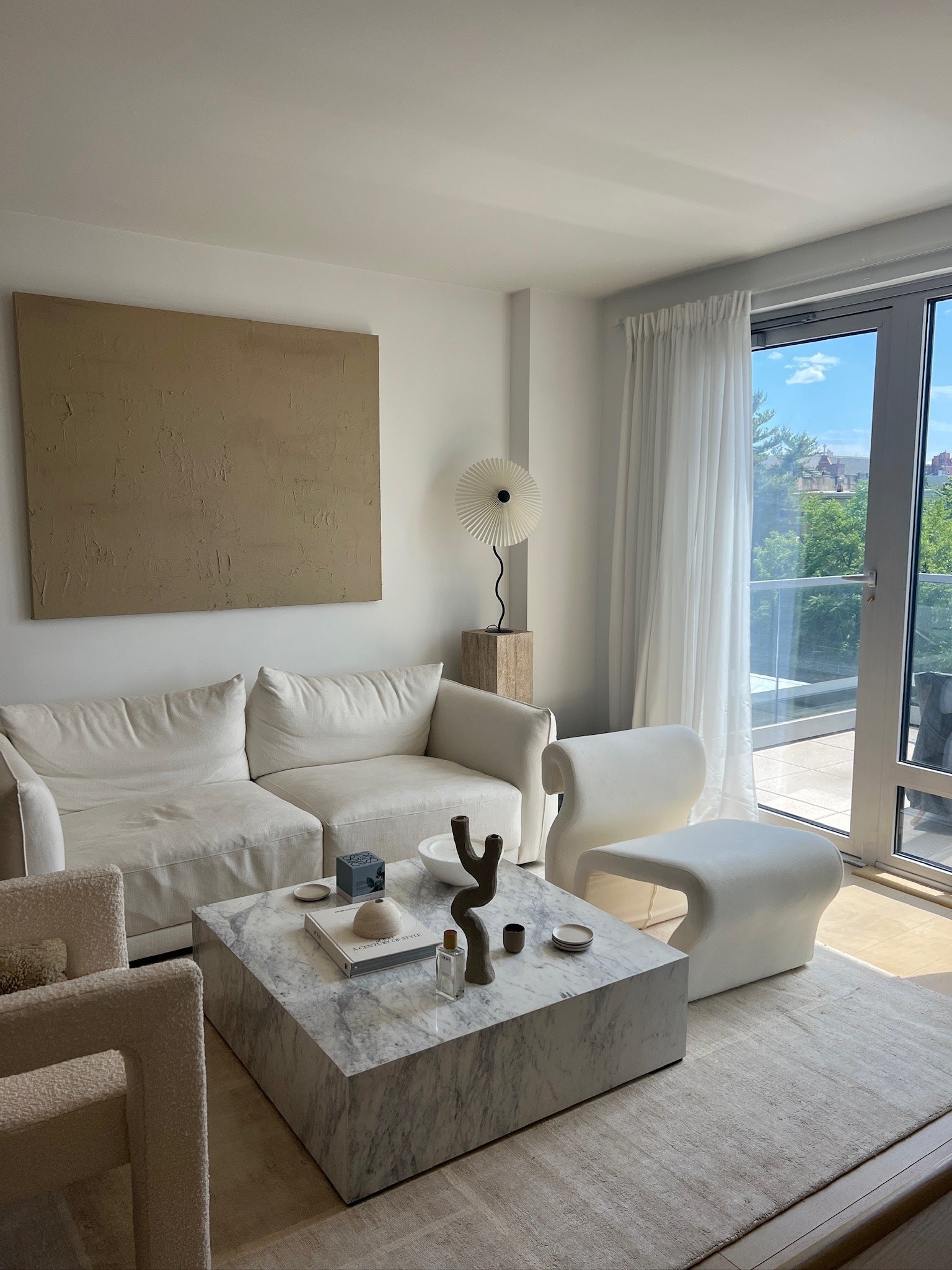
The archetype of minimalism as an empty room invites a sense of vastness and even detachment. Expanses of barren floors and unadorned walls create an environment focused on nothingness. Yet, this emptiness can sometimes evoke feelings of sterility or emotional coldness. The reinvention of minimalism in 2026 embraces intimacy instead of void. Spaces now brim with curated collections of small objects—whether they be handcrafted ceramics, delicate textiles, or exquisitely bound books—that layer subtle textures and invite tactile exploration.
This approach transcends mere decoration; it creates an atmosphere that feels alive and personalized. The abundance of diminutive items, carefully placed, fosters a nuanced narrative for each inhabitant, inviting conversation and reflection. Rather than erasing personality in the pursuit of purity, this new form of minimalism amplifies it through detail and thoughtful accumulation. The room becomes a tactile tapestry rather than a blank canvas.
:max_bytes(150000):strip_icc()/Warmminimalismlivingroomwithcouch-054286efe5bb45898a4d14b08a979154.jpg)
The Psychology Behind the Shift: Why More Small Things?
On a psychological plane, minimalist ideology once championed radical decluttering as a remedy to anxiety and overstimulation. The relentless pursuit of “less” was a bulwark against modern chaos. However, recent studies suggest that extreme minimalism—characterized by barren environments—may inadvertently elicit feelings of isolation or sensory deprivation.
In contrast, the infusion of many small but meaningful items balances mental clarity with emotional warmth. Small objects can serve as anchors of identity and memory, each carrying a story or a sentimental value. This nuanced approach honors the human affinity for connection and complexity while maintaining order and intentionality. It fosters a sanctuary that stimulates without overwhelming, a gentle refuge that reaffirms the inhabitant’s uniqueness.
Cultural Fascination: The Miniaturization of Meaning
Our contemporary fascination with small, intricate things extends beyond interior design. It mirrors broader cultural phenomena—such as the popularity of miniature art, artisanal craft movements, and collectible objects. This magnification of detail communicates an increased appreciation for craftsmanship and the subtle beauty found in the minutiae of life.
Minimalism’s embrace of “more small things” aligns seamlessly with this cultural momentum. Tiny objects demand mindfulness in selection and placement; they encourage slow living and deliberate appreciation. This is minimalism as a celebration of quality and story—where every small thing becomes an emblem of care amidst a culture inundated by mass production and disposability.

Functional Aesthetics: Small Does Not Mean Insignificant
Another dimension of this shifting minimalist ethos is the vital role of functionality embedded within small objects. The minimalist home of 2026 no longer sacrifices utility for visual restraint but instead converges the two in elegant synchronicity. From compact modular storage solutions to multifunctional trinket holders, these small items demonstrate purpose while elevating aesthetic harmony.
This confluence of use and beauty reinforces minimalism’s roots in efficiency and thoughtful design but adapts it for a contemporary audience seeking tactile engagement without clutter. Each piece is selected not only for its visual appeal but for its contribution to effortless living—small things with big impact.
The Environmental Imperative: Sustainability in Smallness
Behind the aesthetic and psychological implications sits a pressing ecological motivation. The modern consumer-turned-minimalist increasingly gravitates towards sustainability, driven by the imperative to reduce waste and resource depletion. Choosing many small, carefully crafted items made from natural or recycled materials signals a conscientious approach to consumption.
This approach diverges from fleeting trends of minimalism that once embraced clinical modernity and mass-produced minimal decor. Instead, it adopts a philosophy rooted in durability, craftsmanship, and legacy. Small things are not only easier to source mindfully but also easier to cherish and maintain, fostering a cycle of conscious ownership that contradicts the throwaway culture.
A New Minimalist Narrative: Complexity with Restraint
The evolution from empty rooms to spaces enriched with numerous small, meaningful objects disrupts simplistic binaries of minimalism versus maximalism. It presents a sophisticated, complex narrative where restraint coexists with abundance, and simplicity embraces storytelling. This new minimalism acknowledges that authenticity lies not in starkness but in the conscientious assembly of items that serve both function and heart.
It is a minimalist story rewritten—not as deprivation, but as discernment. It invites a richer sensory experience, a home imbued with personality and nuance, where every small object contributes to a chorus of intentional living.
As minimalism continues to unfold into the future, it promises to shed its outdated stereotypes and embrace complexity with elegance. In 2026, minimalism means more small things—not empty rooms—heralding a new era where the beauty of detail and the power of intention reign supreme. It is a celebration of curatorial passion, emotional resonance, and sustainable mindfulness, redefining our relationship with space, objects, and ultimately, ourselves.


Leave a Comment