

In a world awash with vibrant hues and meticulously curated color charts, a subtle yet striking trend is emerging: soil color is fast becoming the new Pantone palette. There is an undeniable allure in the rich, earthen tones that have captivated artists, designers, and nature enthusiasts alike. This fascination with soil goes beyond mere surface appreciation; it delves deep into the primal connection between humans and the earth beneath their feet. But what exactly is driving this newfound obsession with the diverse spectrum of soil colors? What secrets do these ancient pigments hold that they have become a source of inspiration for creative minds across the globe?
The Ubiquitous Yet Overlooked Spectrum of Soil
Soil colors often escape our notice in the daily cacophony of visual stimuli. Although earth tones are commonly utilized in design, these colors are usually distilled into sterile browns or uninspired tans. Yet, soil is not simply brown. It can range from the deepest obsidian blacks to the warmest ochres, fiery reds, soft yellows, and even muted grays and blues. The palette is astonishingly broad. This variegated chromatic diversity is rooted in the mineral composition, organic content, moisture levels, and oxidation states of the elements within it.
Consider how, during a stroll through nature, the subtle shifts in soil color often indicate changes in environment and life beneath the surface. These shifts aren’t random; they tell stories of the geological past, climatic conditions, and thriving microbial communities. Soil’s chromatic language is both ancient and dynamic—ever-changing, yet timeless.
Earthy Hues as a Mirror of Environmental Identity
The fascination with soil hues is not simply aesthetic. It reflects a yearning to reconnect with the environment on a profound level. Each shade embodies a tangible piece of the earth’s identity, carving out a narrative about the region it originates from. Red soils hint at iron-rich oxidation, while black soils speak of organic richness. Yellow soils may indicate hydrated iron oxides, reminiscent of sun-dappled meadows. These colors become more than pigments; they transform into symbols of place and provenance.
This symbolic weight implies an inherent storytelling quality. When designers incorporate these colors into their creations, they are not just borrowing from a palette—they are infusing their work with the essence of geological timelines and ecological intricacies. The visual language of soil color bridges the gap between aesthetic appeal and scientific wonder.
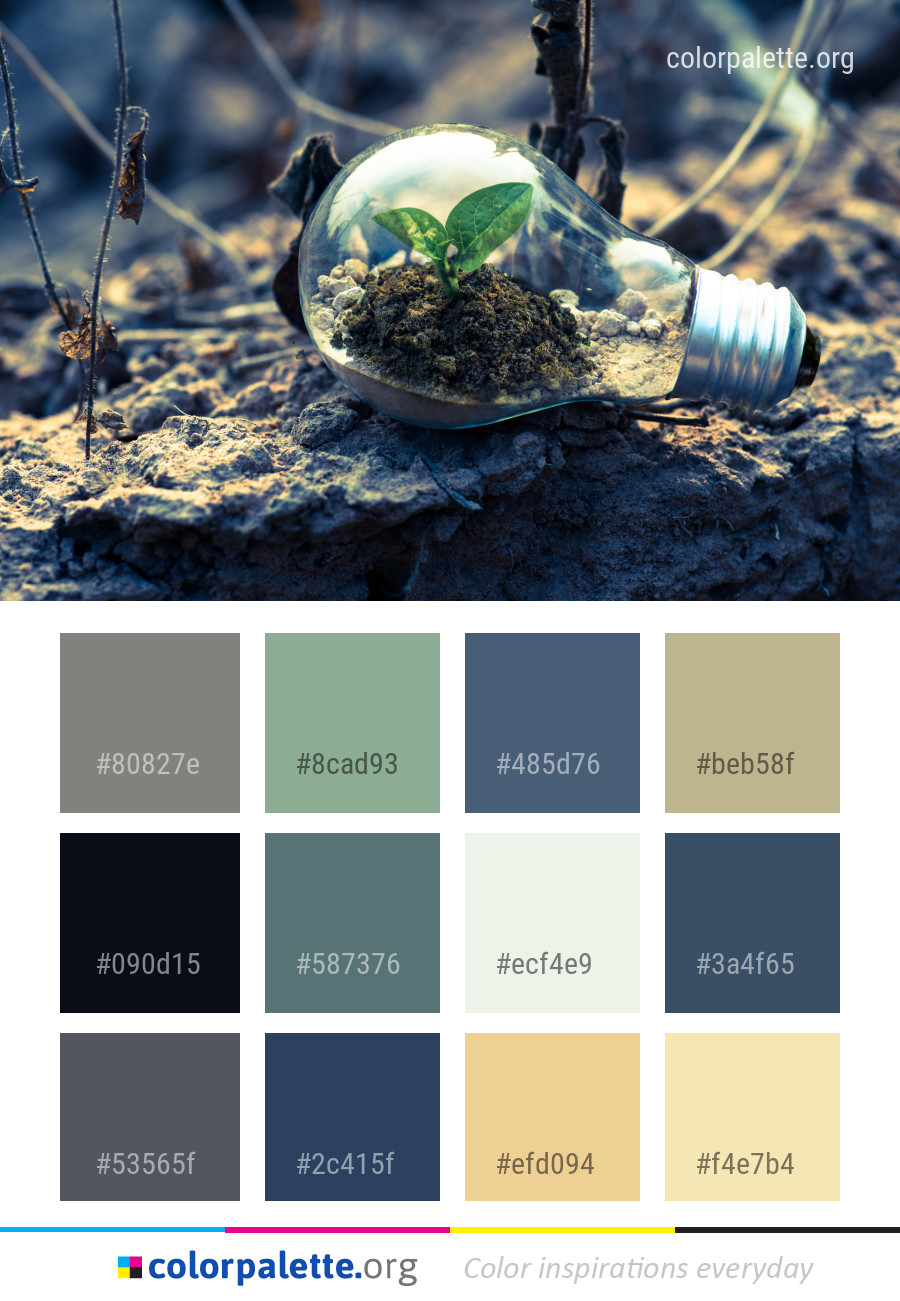
Soil Colors Inspiring Contemporary Design Trends
What is so captivating about soil palettes in design? To answer this, one must appreciate the emotional resonance of earth tones. They tend to evoke feelings of stability, warmth, and groundedness. In an age where digital devices inundate us with overwhelming brightness and artificiality, these natural hues offer a comforting reprieve.
Modern interior designers and fashion creators are embracing soil colors for their versatility and timelessness. These hues lend spaces a sense of authenticity and harmony, encouraging mindful living. The neutral yet deeply textured nature of these tones allows for a sophisticated visual narrative without overpowering the senses. Furthermore, soil-inspired palettes integrate effortlessly with sustainable and eco-conscious design philosophies, providing aesthetic cohesion with environmental ethics.
The innovation lies in parsing these seemingly ordinary colors into nuanced undertones and combinations, building rich layers that speak to depth and complexity. Far from dull, these chromatic interpretations are vibrant with subtext.

Anthropological and Psychological Dimensions of Soil Color
Why have earthy hues held a sustained appeal across cultures and epochs? Soil color taps into a wellspring of archetypal symbolism. From the ruddy pigments used in ancient cave paintings to the clay pots embedded in tribal traditions, earth hues have been humanity’s first connection to artistic expression. Colors derived from soil carry a kind of primordial authenticity, evoking the birth of civilization itself.
From a psychological standpoint, these colors are calming. They invoke the stability of nature, helping to reduce anxiety and foster a sense of belonging. This biophilic response, where humans inherently seek connection with the natural world, is accelerated by engaging with soil colors. They hold the power to unshackle the mind from the relentless pace of modern life, grounding individuals back to their natural origins.
Environmental Storytelling Through Color in the Urban Landscape
Increasingly, urban planners and environmental artists are utilizing soil color palettes to narrate ecological tales within cityscapes. The humble soil tones help contextualize a dialogue between humanity’s constructed environment and the natural world. Walkways, murals, and public spaces imbued with earthy hues can invoke awareness about local ecosystems and the fragility of natural resources.
In this framework, soil color is no longer a background element but a protagonist. It serves as a visual reminder of our responsibility as stewards of the planet. These colors forge a connection between the built environment and the organic foundations on which the cities stand, thereby fostering a deeper appreciation of the landscape’s intrinsic value.

The Future of Color Inspiration Rooted in Soil
As sustainability becomes a prevailing ethos across creative disciplines, the soil color palette symbolizes a shift back to nature. The vibrant yet subtle tapestry of hues encourages designers to think beyond synthetic colors and embrace what the earth naturally offers. This shift promotes ecological consciousness and nurtures innovation grounded in natural processes and materials.
Future technological advances in pigment creation and digital color representation will undoubtedly draw upon the natural depth and variegation of soils. The blending of science and art in exploring soil colors will foster novel approaches in industries ranging from fashion to digital media.
The soil palette is not just a trend; it is a profound reimagining of how we perceive and utilize color. It anchors us in our shared planet’s narrative, reminding us that all color, creativity, and life itself, begin at the foundational earth beneath us.
Embracing soil color as the new Pantone palette invites everyone—from artists to everyday observers—to look down, see the world anew, and appreciate the deep stories painted in every granule of earth.


Leave a Comment