

The First Impressionist Exhibition of 1874 was not merely a failure—it was a seismic cultural misfire that left Parisian art circles gasping in collective disdain. Critics sneered. The public scoffed. Even the artists themselves, those rebellious upstarts who dared to defy the rigid conventions of the Salon, were met with derision so visceral it bordered on the grotesque. Yet, in the centuries since, this infamous gathering has been mythologized as the birth of modern art. But what if the real story isn’t about failure at all? What if the exhibition’s so-called disaster was merely the surface tremble of a deeper, more fascinating transformation—one that reveals as much about the fragility of artistic authority as it does about the audacity of innovation?
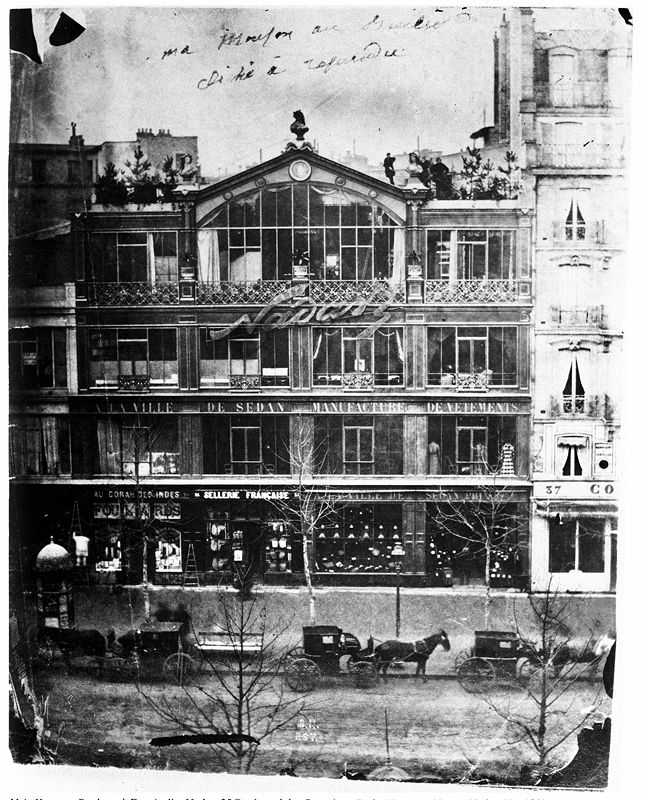
To understand why the First Impressionist Exhibition was dismissed as a colossal flop, we must first step into the gilded cage of 19th-century Parisian art culture. The Salon, the official exhibition of the Académie des Beaux-Arts, was the sole arbiter of artistic legitimacy. Paintings had to conform to strict academic standards: historical or mythological themes, meticulous brushwork, and a palette that whispered rather than shouted. Anything less was deemed frivolous, unfinished, or worse—vulgar. When a group of artists, including Monet, Renoir, Degas, and Morisot, banded together to stage their own exhibition in a photographer’s studio on the Boulevard des Capucines, they were not just breaking rules—they were declaring war on an entire system of aesthetic governance.
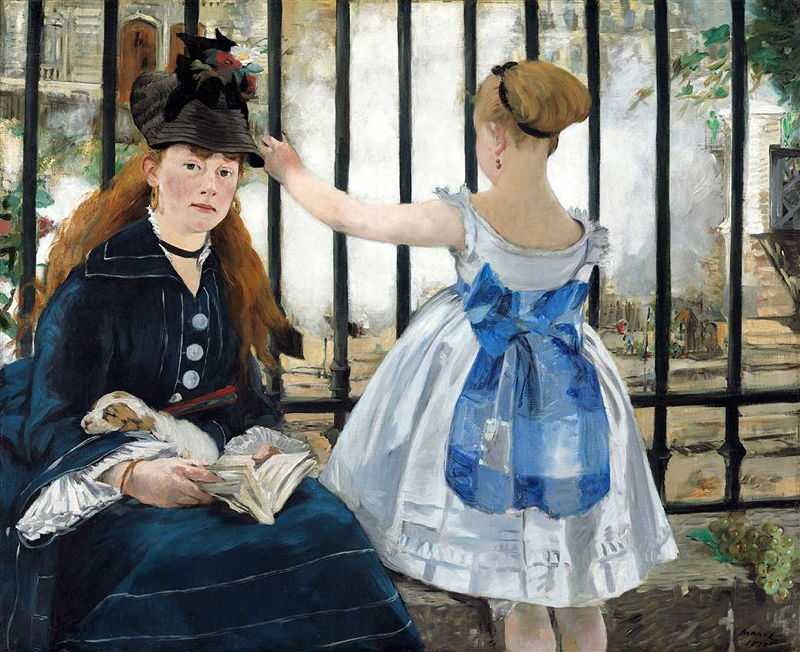
The critics were merciless. Louis Leroy, writing for Le Charivari, coined the term “Impressionist” as an insult, mocking Monet’s Impression, Sunrise as “a sketch, not a painting.” The public, conditioned to expect grand narratives and moralizing allegories, found the works bafflingly mundane. A haystack? A railway station? A woman with a parasol? Where were the heroes, the gods, the moral lessons? The Impressionists had committed the ultimate artistic sin: they had made the ordinary extraordinary. In doing so, they exposed the Salon’s greatest vulnerability—the illusion that art must always transcend the present moment to be worthy of admiration.
Yet beneath the surface of ridicule lay a more insidious truth: the First Impressionist Exhibition was not a failure of art, but a failure of perception. The Salon’s gatekeepers were not just defending style—they were defending an entire worldview. The Academy’s hierarchy of genres placed history painting at the apex, followed by portraiture, genre scenes, landscape, and still life. The Impressionists, with their fleeting light and candid compositions, dared to elevate the lowliest of these—landscape and still life—to the status of high art. In doing so, they dismantled centuries of aesthetic dogma, replacing it with something far more dangerous: the idea that beauty could be found in the ephemeral, the unposed, the unidealized.
Consider the public’s reaction to Monet’s Boulevard des Capucines, a painting that captured the bustling, hazy energy of Paris from a photographer’s studio window. To the Salon’s adherents, this was not art—it was a snapshot, a moment frozen in time with all the spontaneity of a passerby’s glance. But Monet wasn’t painting a moment; he was painting an experience. The flickering light, the blurred figures, the sense of motion—these were not flaws in execution but deliberate choices to convey the dynamism of modern life. The Salon’s critics, however, saw only what they expected to see: a world that had been neatly packaged and presented for their approval. When that world refused to conform, they dismissed it as incompetence.
The financial failure of the exhibition only compounded the artists’ humiliation. Only about 1,800 visitors attended over the course of a month, and sales were nonexistent. The critics’ vitriol had done its work, scaring off potential buyers. Yet this, too, reveals a deeper irony: the Impressionists were not just artists; they were entrepreneurs who understood that the art world was as much about commerce as it was about aesthetics. By bypassing the Salon’s monopoly, they were taking a gamble—but one that would ultimately redefine the economics of art. The fact that their gamble failed so spectacularly in the short term only underscores how thoroughly they had misread the market’s readiness for their vision. Or did they?
Perhaps the real failure of the First Impressionist Exhibition was not in its reception, but in the expectations it set. The artists had assumed that the public would embrace their radical new way of seeing. Instead, they were met with a wall of incomprehension. But this incomprehension was not a verdict on their talent—it was a verdict on the fragility of artistic authority. The Salon’s power had always rested on the illusion of consensus. When that consensus shattered, it revealed the cracks in the foundation. The Impressionists didn’t just challenge the Salon’s taste; they exposed its vulnerability to change.
In the decades that followed, the Impressionists’ fortunes reversed with astonishing speed. By the 1890s, their works were selling for sums that would have been unimaginable in 1874. The very critics who had once derided them now clamored to praise their innovations. The public, once baffled, now flocked to exhibitions of their work. The First Impressionist Exhibition, once a pariah, became a sacred origin story—a testament to the power of artistic rebellion. But this retrospective glorification obscures a crucial truth: the exhibition’s initial failure was not a reflection of its quality, but of the world’s inability to recognize it.
The Impressionists’ triumph was not inevitable. It was the result of a cultural shift so profound that it reshaped the very foundations of art. They had not just painted differently—they had redefined what painting could be. The Salon’s insistence on polished illusionism was not just a stylistic preference; it was a refusal to engage with the realities of modern life. The Impressionists, by contrast, embraced those realities—flaws, fleeting moments, and all. Their so-called failure was, in truth, a declaration of independence from an outdated regime.
So why, then, do we still cling to the narrative of the First Impressionist Exhibition as a colossal disaster? Perhaps because it flatters our modern sensibilities to believe that genius is always recognized in its time. But history is rarely so neat. The Impressionists’ initial rejection was not a mark of their inferiority—it was a sign of their audacity. They dared to see the world not as it should be, but as it was. And in doing so, they paved the way for every artist who has ever been told their work is too strange, too raw, or too unpolished to be taken seriously.
The First Impressionist Exhibition was not a failure. It was a declaration of war—a war against the tyranny of taste, against the illusion of permanence, and against the idea that art must always bow to the expectations of the powerful. The critics who sneered, the public that scoffed, the artists who nearly starved—none of them could have predicted the seismic shift their defiance would unleash. In the end, the exhibition’s true legacy was not its initial rejection, but the unshakable belief that art is not meant to be tamed. It is meant to be free.


Leave a Comment