

The Scream is not just a painting. It is a mirror held up to the human soul, a silent scream that echoes across time, culture, and theft. For over a century, Edvard Munch’s masterpiece has been snatched from galleries like a phantom stealing breath—each heist a macabre ballet of audacity, desperation, and dark fascination. Why does this tormented figure, with hands clutching its face and mouth agape in silent agony, keep vanishing from the world’s most secure spaces? And what does it feel like to stand before the empty space where it once hung, where the air itself seems to vibrate with the ghost of a scream?
To understand the magnetic pull of The Scream, we must first recognize it not as a static image, but as a living entity—a spectral presence that refuses to be confined. It is the Mona Lisa’s rebellious cousin, the Van Gogh that whispers rather than shouts, the Picasso that refuses to be boxed into cubism. Munch painted not just a moment, but a feeling: the vertigo of modernity, the isolation of urban life, the terror of existence itself. In an era of rapid change, The Scream became the universal anthem of existential dread. It didn’t just depict anxiety—it embodied it. And when something embodies the collective unease of humanity, it becomes more than art. It becomes a relic. A talisman. A target.
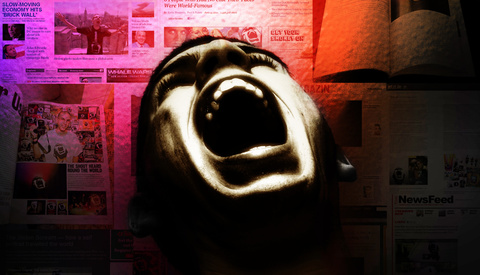
The Allure of the Haunted Masterpiece
Every great theft begins with desire. And The Scream is desired not for its gold leaf or gemstones, but for its emotional resonance. It is the ultimate trophy for the thief who seeks more than wealth—who seeks meaning, notoriety, or perhaps even catharsis. The painting’s power lies in its ambiguity: is the figure screaming at the world, or is the world screaming at them? In that duality, thieves see themselves reflected. They are not mere criminals; they are participants in a grand, twisted performance of art’s immortality.
Consider the first major theft in 1994, when The Scream was stolen from Oslo’s National Gallery during the Winter Olympics. The thieves left a note: “Thanks for the poor security.” It wasn’t just a crime—it was a critique. A rebellion against the commodification of art. The painting, already a symbol of inner turmoil, became a symbol of institutional vulnerability. When it was recovered months later, wrapped in a blanket behind a nearby building, it bore no physical scars. But the psychological ones remained. The theft had proven what many suspected: The Scream was not just a painting. It was a living force, untamed by walls or alarms.
This is the paradox of the masterpiece: the more revered it becomes, the more it becomes a magnet for those who wish to defile, possess, or liberate it. It is as if the painting itself invites disruption, as if its swirling sky and wailing figure are calling out: “Take me. Break me. Prove you exist.”
The Anatomy of a Phantom Heist
Stealing The Scream is not like stealing a diamond or a rare manuscript. It is a performance. A ritual. The thief must not only bypass security but also confront the painting’s aura. To lift it from its frame is to challenge the very idea of art as untouchable. The 2004 theft from the Munch Museum in Oslo was a masterclass in audacity. Two men walked in during daylight, brandished a gun, and walked out with not one, but two Munch paintings—The Scream and Madonna. They left behind a note that read: “We did it for the people of Norway.”
What does it mean to steal for the people? In this case, it meant exposing the fragility of cultural sanctuaries. The heist was not just about the paintings—it was about the illusion of safety we construct around art. When the works were recovered two years later, damaged and discolored, the damage was not just physical. It was existential. The paintings had been violated, yes—but so had our trust in the inviolability of beauty.
And yet, the thefts continue. Each one a new chapter in a dark saga where the painting becomes both victim and perpetrator. It is as if The Scream is not being stolen from us—we are being stolen from it. We are being reminded that even the most sacred things can be taken. That even the loudest screams can be silenced.
Standing Before the Empty Frame
Imagine walking into a gallery, expecting to see The Scream, and finding only an empty space where it once hung. The absence is not just visual—it is visceral. The air feels thinner. The silence is louder. You stand there, staring at the bare wall, and suddenly you understand: the painting was never just paint on canvas. It was a presence. A living scream in the night of human consciousness.
What do you feel in that moment? Is it grief? Relief? A strange sense of complicity? Perhaps it is the realization that art is not a thing to be owned, but an experience to be shared. That The Scream belongs not to a museum, but to the world. To every person who has ever felt lost, afraid, or alone in the vast, indifferent universe. When the painting vanishes, it doesn’t just leave a gap on the wall—it leaves a wound in the collective psyche. A reminder that beauty is fragile. That meaning is fleeting. That even the most powerful images can be torn away.
And yet, there is something strangely poetic about the thefts. Each one is a reenactment of the painting’s central theme: loss, violation, the struggle to be heard. The thieves, whether motivated by greed, ideology, or madness, become unwitting actors in Munch’s drama. They are not just stealing a painting—they are stealing a scream. And in doing so, they prove that the scream cannot be contained. It cannot be owned. It cannot be silenced.

The Scream That Will Never Be Silenced
Edvard Munch once wrote: “I sensed a scream passing through nature.” He didn’t say it was his scream. He said it was nature’s. And that is the key to understanding why The Scream keeps getting stolen. It is not just a painting. It is a conduit. A vessel for the unspoken terrors of humanity. It is the scream of the city at midnight. The scream of the heart in the dark. The scream of the soul when it realizes it is alone.
No amount of theft can silence that scream. No frame can contain it. No thief can possess it. Every time The Scream is taken, it returns—changed, damaged, but never diminished. It returns as a reminder: art is not a trophy. It is a conversation. A confrontation. A confession. And the most powerful confessions are the ones that refuse to be buried.
So the next time you stand before an empty space where The Scream once hung, don’t just see absence. See possibility. See the echo of a scream that refuses to fade. See the painting not as a stolen object, but as a living force—one that transcends theft, time, and even death. Because in the end, The Scream is not just a masterpiece. It is a manifesto. And manifestos, by their very nature, cannot be contained.
The Scream will keep getting stolen. Not because it is valuable in gold or currency, but because it is valuable in truth. And truth, as we all know, is the most dangerous thing in the world to steal.


Leave a Comment