

In the quiet hum of a spinning wheel, there lies a secret language of motion—each fiber whispering its tale as it twists into yarn. But when that language turns into a discordant squeak, the magic falters. Like a violinist’s bow scraping against the wrong string, an improperly oiled spinning wheel disrupts the harmony of creation. The culprit isn’t just neglect; it’s the misapplication of care, a misstep that can turn a beloved tool into a source of frustration. Yet, fear not. With the right knowledge, you can transform that squeak from a nuisance into a symphony once more.
The Anatomy of a Squeak: Why Your Spinning Wheel is Whining
A spinning wheel, much like a finely tuned instrument, relies on precision. The squeak is not merely a sound—it’s a cry for attention, a signal that friction has overstayed its welcome. At its core, the issue often stems from dried lubricant, misaligned parts, or an excess of oil that has turned sticky over time. Imagine the wheel’s flyer, a delicate dancer spinning on its axis, now burdened by the weight of neglect. The bearings, those unsung heroes of smooth motion, bear the brunt of this neglect, their once-silent rotation now punctuated by a high-pitched lament.
But why does this happen? Spinning wheels are not monolithic; they are assemblies of wood, metal, and sometimes plastic, each component interacting in a delicate ballet. When oil is applied haphazardly—too little, too much, or in the wrong places—it disrupts this dance. The fibers of the wood absorb moisture unevenly, causing warping. Metal parts corrode in the absence of proper lubrication. Even the tiniest misalignment in the flyer or the whorl can amplify the squeak into a chorus of discontent. The wheel, in its silent wisdom, is begging for balance.
The Perils of Poor Lubrication: More Than Just a Nuisance
To oil a spinning wheel incorrectly is to invite chaos. Too much oil, and the excess seeps into places it shouldn’t, attracting dust and lint like a magnet. The result? A gummy residue that clogs the works, turning smooth motion into a sluggish crawl. The flyer, once a swift and graceful performer, now drags like a weary traveler through mud. Worse still, the oil can migrate to the yarn itself, staining it with greasy fingerprints that mar the final product.
On the other hand, too little oil leaves the wheel parched, its metal and wood parts grinding against each other with the tenacity of a desert wanderer without water. The squeak is not just an annoyance—it’s a warning. Over time, the friction wears down the bearings, the axles, even the frame. What begins as a minor irritation can escalate into costly repairs, or worse, the irreversible damage of a beloved tool. The wheel, once a source of joy, becomes a relic of what could have been.
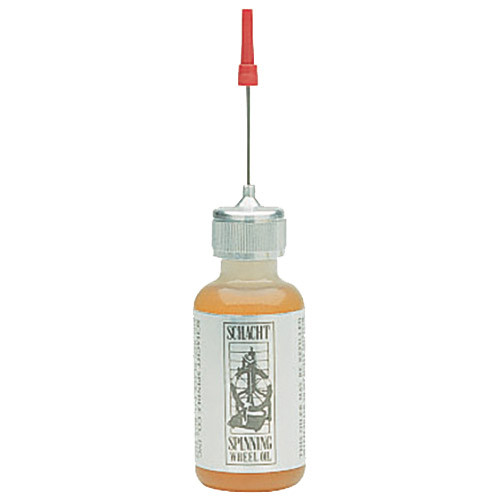
And then there’s the matter of the wrong oil. Not all lubricants are created equal. A heavy machine oil might seem like a quick fix, but it’s the spinning wheel equivalent of using a sledgehammer to crack a nut. The viscosity is all wrong, clinging to parts in a way that stifles rather than smooths. Instead, opt for a light, high-quality spindle oil or a dedicated spinning wheel lubricant. The difference is like night and day—a wheel that once shrieked now purrs with contentment.
The Art of the Fix: A Step-by-Step Rescue Mission
Reviving a squeaky spinning wheel is less about brute force and more about finesse. Begin by disassembling the wheel with the care of a surgeon. Remove the flyer, the bobbin, and any other removable parts. Lay them out like a patient on an operating table, each component a vital organ in the machine’s anatomy. Inspect them for wear, for rust, for the telltale signs of neglect.
Next, cleanse the parts of their old, gummy lubricant. A soft cloth dampened with mineral spirits or rubbing alcohol will do the trick, wiping away the grime without damaging the wood or metal. Be gentle—this is not a scrubbing session but a purification ritual. Once clean, allow the parts to dry completely. Moisture is the enemy of smooth motion, and no amount of oil can compensate for a damp flyer.
Now, the moment of truth: lubrication. Apply a drop or two of oil to the bearings, the axles, the points of contact where metal meets metal. Think of it as anointing the wheel’s most critical joints, a sacred act of renewal. Avoid over-oiling; a single drop is often enough. The goal is not to drown the parts but to coax them back to life. Reassemble the wheel with the same care you used to disassemble it, ensuring every part fits snugly, every joint aligned.
Test the wheel with a gentle spin. Listen. The squeak should have faded, replaced by the soft, rhythmic hum of a machine in harmony with itself. If the squeak persists, don’t despair. It may require a second application of oil, or perhaps an adjustment in alignment. Patience is key—this is not a race but a restoration.

Prevention: The Silent Guardian of Your Spinning Wheel
Once your spinning wheel is singing again, the real work begins: prevention. Regular maintenance is the unsung hero of a long-lived spinning wheel. After each use, take a moment to wipe down the flyer and the axles with a dry cloth. Remove any lint or dust that has settled into the crevices, for these tiny invaders are the first step on the path to squeakiness.
Every few months, perform a deeper inspection. Check the tension of the drive band, ensuring it’s neither too tight nor too loose. A band that’s too tight strains the wheel; one that’s too loose slips and stutters. Both conditions invite friction, and friction invites the squeak. Adjust as needed, and oil the relevant parts with the same care you would a prized instrument.
Store your spinning wheel in a dry, temperate environment. Humidity is the arch-nemesis of wood and metal alike, causing warping and corrosion. A climate-controlled space, or at least a room with stable humidity, will prolong the life of your wheel and keep it running smoothly for years to come. And when in doubt, consult the wheel’s manual—or the wisdom of experienced spinners. Their insights are as valuable as the finest oil.
The Reward: A Wheel That Sings, A Craft That Flourishes
There is a profound satisfaction in a well-maintained spinning wheel. It’s not just about the absence of squeaks; it’s about the presence of harmony. Each spin becomes a meditation, a dance between hand and machine, fiber and fate. The wheel, once a source of frustration, is now a partner in creation, its smooth motion a testament to your care.
Consider the alternative: a wheel that groans and shrieks, its once-fluid motion now a jerky, uneven struggle. The yarn it produces is uneven, the process a chore rather than a joy. The magic of spinning is lost in the noise. But when the wheel is right, when it purrs like a contented cat in the sunlight, the act of creation becomes effortless. The fiber flows, the yarn takes shape, and the spinner is free to lose themselves in the rhythm of the craft.
So tend to your spinning wheel as you would a cherished friend. Oil it with intention, maintain it with reverence, and it will reward you with years of silent, steadfast service. The squeak is not just a problem to solve—it’s an opportunity to deepen your connection to the craft. And in that connection, you’ll find the true magic of spinning.


Leave a Comment