

Imagine stepping into a gallery where every stroke, every shape, and every image defies traditional order—where controlled chaos reigns supreme. This is the promise of a “Chaoticism” section, a bold invitation for visitors to traverse a landscape where disorder births creativity, complexity, and fresh perspectives. Integrating such a space into your gallery does more than diversify the visual narrative; it transforms the entire experience into a vibrant dialogue between structure and entropy, certainty and ambiguity. It beckons the curious mind to linger and question, to see beneath and beyond.
Unveiling a New Dimension: What “Chaoticism” Brings to Your Gallery
“Chaoticism” is not merely a stylistic choice—it is a philosophical plunge into the unpredictable, a celebration of the raw and unrefined forces that shape our world. This section invites viewers to embrace ambiguity, dismantling conventional aesthetics in favor of fragmented forms, spontaneous compositions, and intense emotional resonance. It challenges the spectator to abandon expectations and revel in the unpredictable harmonies that arise from apparent disorder.

By incorporating chaoticism, your gallery evolves into more than a display; it becomes a catalyst for intellectual provocation. Visitors don’t just observe—they interact mentally with the work, navigating through layers of uncertainty that mirror life’s own unpredictability. This journey sparks curiosity, compelling patrons to consider the interplay of order and disorder both within the art and themselves.
A Paradigm Shift: Redefining Art Appreciation through Chaos
The traditional gallery experience often leans heavily on balance and harmony, providing comfort through symmetry and familiar narrative arcs. A chaoticism section disrupts these norms and invites an epistemological recalibration. It exhorts viewers to re-experience art not as a passive pastime but as an active interrogation of meaning and form.
This shift challenges ingrained cognitive patterns. Instead of seeking clarity and resolution, guests learn to appreciate dissonance and fragmentation as legitimate and compelling modes of expression. It’s a subtle but profound invitation to broaden their horizons, asking, “What if beauty resides in chaos? What if meaning emerges from disorder?”

The Emotional Resonance of Chaotic Art
Chaos in art taps into deep, primal emotions—anxiety, exhilaration, wonder, confusion. It mirrors the tumultuous reality of the human experience. In a chaoticism section, these raw feelings surface vividly, allowing viewers to confront and engage with complex emotional landscapes in a safe, contemplative environment.
This arena of artistic exploration offers catharsis and provokes empathy. Visitors might encounter jagged compositions that reflect inner turmoil or swirling forms that evoke ecstasy and transformation. Such intense emotional engagement expands the gallery’s influence beyond aesthetics, fostering introspection and personal growth.
Encouraging Curiosity: The Irresistible Allure of the Unpredictable
Humans are inherently curious creatures, drawn irresistibly to what challenges their understanding. The unpredictable elements within a chaoticism section serve as a beacon for inquisitive minds. Each piece becomes a puzzle, a mystery to unravel, fueling a desire to explore and decode the artist’s intention—or to embrace its elusiveness.
This section stimulates active participation from visitors, who become detectives of meaning rather than passive spectators. The energy of unpredictability ignites imagination, inviting different interpretations and repeated visits. In doing so, it anchors the gallery as a dynamic space where discovery is constant.
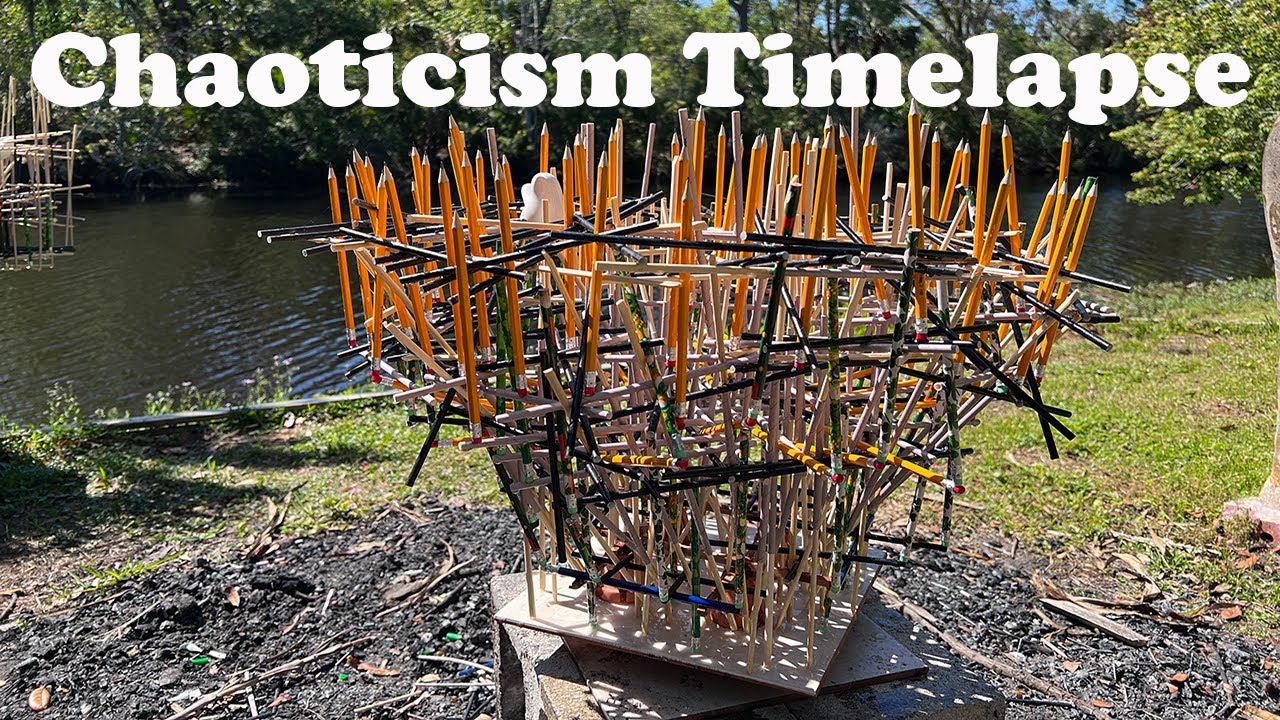
Integrating Chaos with Cohesion: Balancing the Gallery’s Narrative
Introducing a chaoticism section requires intention and thoughtful curation to balance disorder with coherence across the exhibition. It’s about weaving spontaneity into the fabric of the gallery without compromising the overall flow. The challenge lies in orchestrating unpredictability so that it feels purposeful rather than haphazard.
When executed with finesse, this integration elevates your gallery’s narrative complexity. It transforms the visitor’s journey into a multidimensional experience where moments of tranquility collide with eruptions of creative energy, each amplifying the impact of the other. The contrast heightens engagement and cultivates a richer, more textured dialogue between artworks.
Conclusion: Embracing the Beautiful Paradox of “Chaoticism”
Your gallery is a living organism—a space where ideas, emotions, and visions converge. Incorporating a “Chaoticism” section injects vitality by celebrating life’s intrinsic unpredictability. It promises a shift in perspective, inviting visitors to step beyond comfort zones into a realm where disorder births novel insights and exhilaration.
This section piques curiosity and ignites the imagination, forging deeper connections between art and audience. It challenges entrenched notions of beauty and order, offering new templates for appreciation and understanding. Ultimately, embracing chaoticism is an act of boldness and enlightenment—a testament to art’s unceasing power to transform, provoke, and inspire.


Leave a Comment