

Gesture drawing is the heartbeat of expressive art—it captures the essence of movement, emotion, and life in mere seconds. Yet, so many artists find their figures frozen in stiff, unnatural poses, as if trapped in a block of invisible ice. The frustration is real: you know the energy should be there, but your lines betray you, stiff and mechanical. The culprit? Often, it’s not a lack of skill, but a misalignment between intention and execution. Let’s unravel why your gesture drawings feel rigid and, more importantly, how to infuse them with the fluidity they deserve.
The Anatomy of Stiffness: Why Your Lines Resist Flow
Stiffness in gesture drawing isn’t just about shaky hands or poor technique—it’s a symptom of deeper issues. One of the most common culprits is over-reliance on outlines. When artists focus solely on the outer contours of a figure, they neglect the underlying structure that gives life to movement. Outlines are static; they’re the skeleton of your drawing, but they don’t convey motion. Instead, think of your lines as rivers—constantly flowing, bending, and adapting to the terrain. Another frequent offender is the dreaded “tick-tock” rhythm: drawing one side of the body, then the other, in a rigid, pendulum-like motion. This approach kills spontaneity and forces your figures into unnatural symmetry. True gesture thrives on asymmetry—the uneven balance of a dancer mid-leap or a sprinter’s outstretched arm. Finally, stiffness often stems from fear: the fear of making mistakes, of drawing “wrong,” or of letting your lines wander. But in gesture drawing, there are no wrong lines—only lines that haven’t yet found their purpose.
From Static to Dynamic: The Power of the “Line of Action”
The line of action is the invisible thread that stitches your figure together, a single, sweeping curve that defines the primary energy of a pose. It’s the difference between a mannequin and a living, breathing figure. To harness its power, start by squinting at your subject until the details blur into a single, undulating shape. This forces you to see the big picture—the overall flow of the pose—rather than getting bogged down in individual features. Next, draw a single, confident line that captures the essence of that flow. Don’t worry about accuracy; this isn’t a blueprint, it’s a compass. Once you’ve established the line of action, build your figure around it like vines clinging to a trellis. This technique transforms stiff, segmented drawings into cohesive, dynamic compositions. The line of action isn’t just a tool—it’s the soul of your gesture.
Breaking the Symmetry Trap: Embracing Asymmetry for Natural Movement
Symmetry is the enemy of gesture. It’s the visual equivalent of a metronome—predictable, rigid, and lifeless. Real bodies are never perfectly symmetrical; even in stillness, there’s a subtle imbalance that suggests potential energy. To break free from symmetry’s grip, practice drawing figures in extreme poses—think of a gymnast twisting mid-air or a tree bending in a storm. These exaggerated forms force you to abandon the “mirror image” approach and instead focus on the unique rhythm of each pose. Another trick is to draw your figure as if it’s being pulled by an invisible force. Is your subject leaning into a gust of wind? Is their weight shifted onto one leg, creating a subtle tilt in the hips? These asymmetrical details inject life into your drawings and banish the stiff, doll-like quality that plagues so many gesture studies.

The Warm-Up Ritual: Preparing Your Hand and Mind for Fluidity
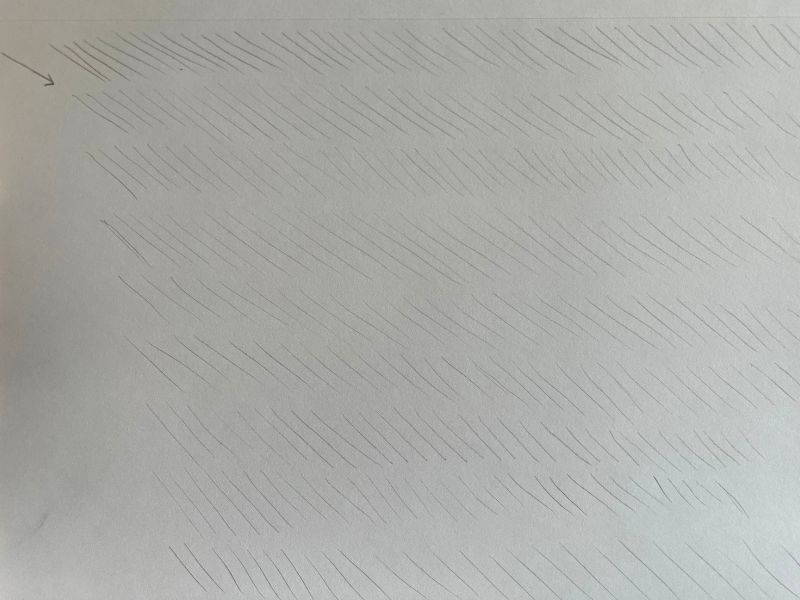
Gesture drawing isn’t just about the final pose—it’s about the journey to get there. Skipping the warm-up is like trying to sprint without stretching: you’ll either pull a muscle or collapse before you reach the finish line. Start with loose, scribbly lines that fill the page, focusing on the overall energy rather than precision. These aren’t finished drawings; they’re explorations. Try drawing the same pose multiple times in quick succession, each time refining your line of action and adjusting the figure’s balance. This repetition trains your eye to see movement more intuitively. Another effective warm-up is to draw from memory—imagine a dancer’s pose or a sprinter’s start, and capture it in a few bold strokes. The goal isn’t perfection; it’s to wake up your hand and mind, to remind them that gesture is about feeling, not measuring.
Beyond the Figure: Gesture in Everyday Objects and Environments
Gesture drawing isn’t limited to human figures. The same principles apply to animals, plants, and even inanimate objects—anything that has a sense of movement or energy. A tree swaying in the wind, a car speeding down a highway, or a cup of coffee steaming on a table—all of these can be captured with the same dynamic approach. The key is to identify the “line of action” in each subject. For a tree, it might be the curve of its trunk and the direction of its branches. For a cup, it could be the tilt of its handle or the way steam rises in a lazy spiral. By practicing gesture in these varied contexts, you’ll develop a keener eye for movement in all its forms, making your figure drawings richer and more expressive.
The Role of Negative Space: How Empty Areas Define Movement
Negative space—the empty areas around and between your subject—is a powerful tool for creating dynamic gesture drawings. Often overlooked, these spaces are just as important as the lines you draw. They define the boundaries of your figure and can emphasize the direction of movement. For example, the space between a runner’s legs or the gap between a dancer’s arms and torso can suggest speed and energy. To leverage negative space, try drawing only the empty areas first, then fill in your figure within those boundaries. This approach forces you to consider the overall composition and can lead to more fluid, organic poses. It’s a subtle shift in perspective, but one that can transform stiff, crowded drawings into open, breathing compositions.
Timing and Pressure: The Unsung Heroes of Expressive Lines
The way you apply pressure to your pencil and the speed at which you draw are critical to capturing gesture. Light, quick strokes suggest hesitation or delicacy, while bold, confident lines convey strength and decisiveness. Vary your pressure to emphasize different parts of the pose—press harder where the energy is concentrated (e.g., a clenched fist or a flexed muscle) and lighter where the movement is more subtle (e.g., flowing hair or a relaxed limb). Similarly, adjust your timing. A slow, deliberate line can imply weight or tension, while a rapid, sketchy line captures spontaneity and motion. Experiment with different combinations of speed and pressure to see how they affect the mood of your drawings. The goal is to make your lines feel alive, as if they’re vibrating with the energy of the pose.
From Stiff to Supple: Practical Exercises to Loosen Up
If stiffness is your nemesis, then targeted exercises are your arsenal. Start with the “30-second challenge”: set a timer for 30 seconds and draw a figure in a dynamic pose, focusing solely on the line of action and overall flow. No details, no overthinking—just raw energy. Repeat this exercise daily, gradually reducing the time to 15 or even 10 seconds as your confidence grows. Another powerful drill is the “mirror game”: place a mirror in front of you and draw your own reflection in exaggerated poses. This forces you to engage with real movement and can break the habit of drawing from stiff, static references. For a more abstract approach, try “blind contour drawing”—draw your subject without looking at the paper, relying solely on your eye-hand coordination. The results will be messy, but they’ll also be full of unexpected energy and life.

The Mindset Shift: Letting Go of Perfection to Embrace Flow
At its core, stiffness in gesture drawing is a mental block as much as it is a technical one. The need for perfection—the fear of “getting it wrong”—is the silent killer of fluidity. To combat this, adopt a mindset of playfulness. Treat your drawings like sketches in a visual journal, not finished masterpieces. Embrace the mess. Celebrate the scribbles. Remember that every stiff line is a step toward a looser one. Another mindset shift is to focus on the process rather than the outcome. Instead of obsessing over capturing the “perfect” pose, concentrate on the act of drawing itself—the way your hand moves, the way your eye follows the energy of the subject. When you let go of the need for control, your lines will follow suit.
Gesture drawing is a dance between artist and subject, a fleeting moment captured in ink and paper. It’s not about precision; it’s about presence. It’s not about control; it’s about surrender. When you strip away the stiffness—the outlines, the symmetry, the fear—you reveal the raw, pulsing energy that makes art feel alive. So pick up your pencil, set a timer, and let your lines flow. The stiff figures will melt away, and in their place, you’ll find the unmistakable rhythm of life.


Leave a Comment