

Encountering Yto Barrada’s installation is akin to stepping into a liminal space where time seems suspended, and the atmosphere is thick with echoes of the past. Her work often conjures an uncanny sensation — as if one is navigating a haunted memory etched in the fabric of collective consciousness. There is something ineffably compelling about this familiar strangeness, a magnetic pull that invites viewers to explore the interplay of memory, history, and identity embedded within the visual and spatial experience. But what exactly makes her installations resonate with such spectral intensity? Delving into this question reveals layers of artistic strategy and emotional depth that explain this enduring fascination.
Visceral Evocations of Memory and Place
At its core, Barrada’s installation work is an exercise in conjuring memory — not merely personal recollection, but the collective residue of histories, cultures, and geographies. Her nuanced orchestrations evoke a haunting sense of place, as if the space itself holds spectral imprints of what once was. The viewer senses the weight of absence as much as presence. This hauntology — the return or persistence of elements from the past — manifests where memory decays and transforms, yet refuses to disappear.
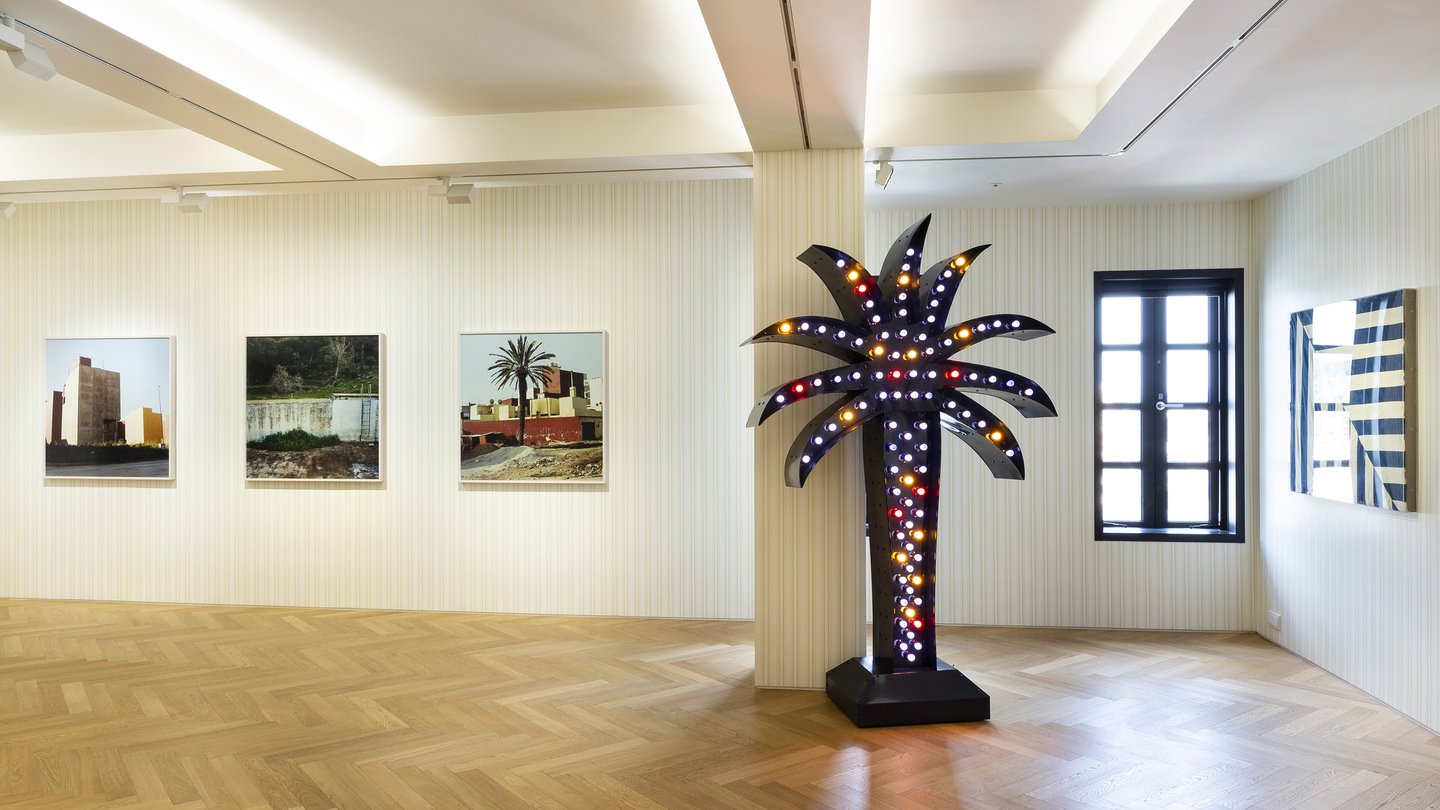
The spatial layouts Barrada crafts are often fragmented and layered, suggesting the fragmented nature of memory itself. Light filters through with ghostly subtlety; shadows stretch and dissolve. Objects are worn, faded, or suspended in arresting juxtaposition. This deliberate manipulation of environment triggers a psychological response, where the familiar dissolves into uncanny ambiguity. It’s a psychological entrapment between remembrance and forgetting, a palpable tension that feels like wandering through a labyrinth of lost time.
The Poetics of Ambiguity and Absence
One of the striking elements of Barrada’s installations is their embrace of ambiguity. The absence — be it of clear narrative, definitive form, or explicit context — transforms the work into a vessel brimming with interpretive possibilities. This ambiguity is not a void, but rather an invitation to inhabit uncertainty, a state of productive unsettlement.
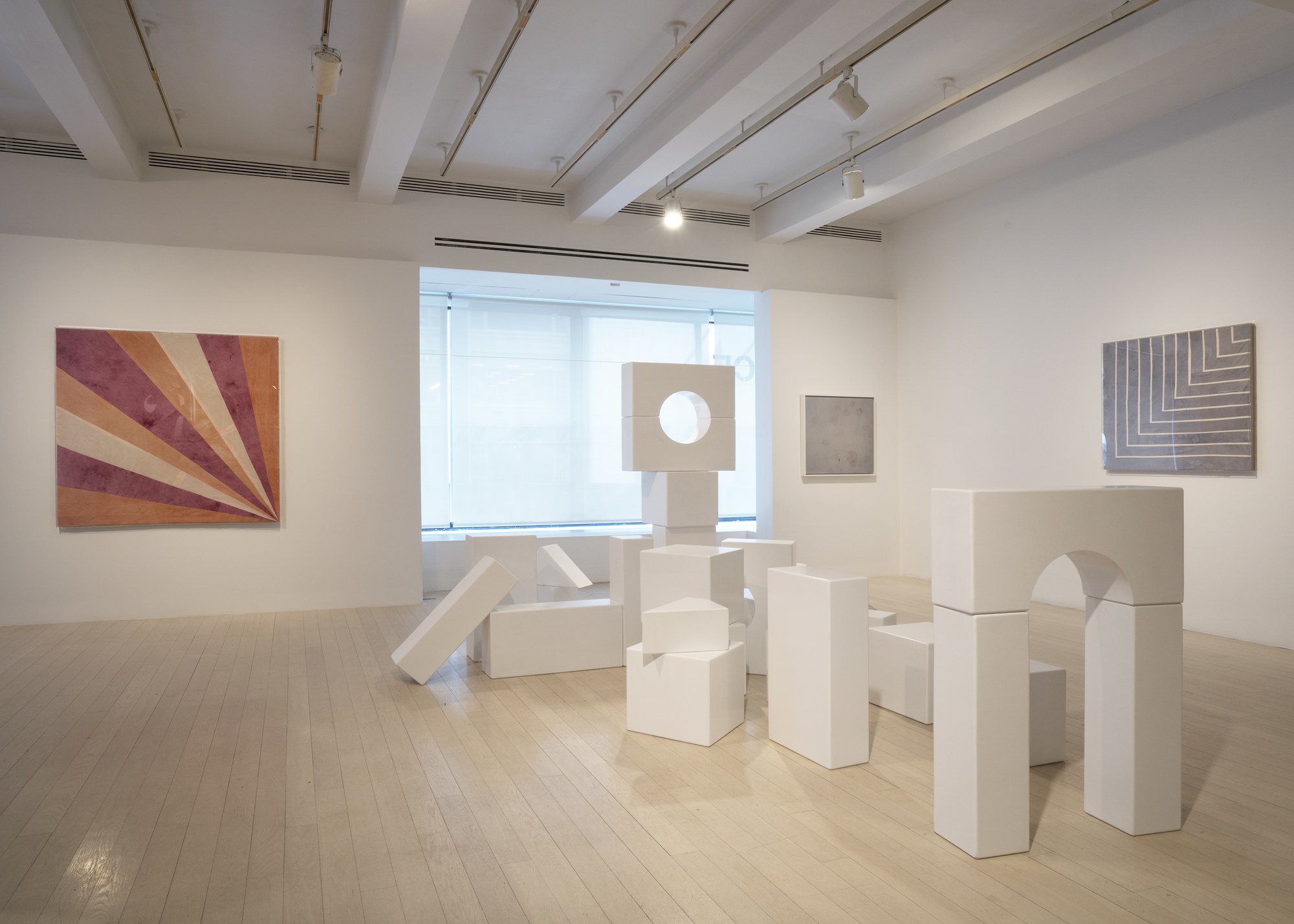
Her installations often feature objects, photographs, or recordings that seem to hover on the edge of clarity, evoking feelings akin to dream logic or faded memories. The pieces resist solid categorization and defy easy legibility, mimicking the way our minds process and reconstruct memories — incomplete, nonlinear, and infused with emotion. Through this poetics of absence, Barrada creates a space charged with latent meaning, where what is unsaid and unseen weighs as heavily as what is visible. It’s this spectral interplay between seen and unseen that echoes the nature of haunted memories themselves.
The Intersection of Personal and Political Histories
Barrada’s installations often serve as palimpsests, weaving together threads of individual experience with broader socio-political narratives. This intersectionality complicates the feeling of haunting, situating it within real histories marked by dislocation, migration, and cultural persistence. The apparitions within her work are not merely figurative but resonate with tangible, lived consequences — colonial histories, urban transformations, and diasporic identities haunt the edges of her narratives.
Through this lens, Barrada’s work becomes a conduit for exploring how memories are shaped, erased, and preserved within collective consciousness, especially in postcolonial contexts. The installation spaces function as arenas where the ghosts of unresolved histories come forward, exposing wounds and histories that are often silenced or forgotten. This interplay saturates the physical space with an emotional charge, inviting viewers to confront the complexity of heritage and memory.
Materiality as a Repository of Time
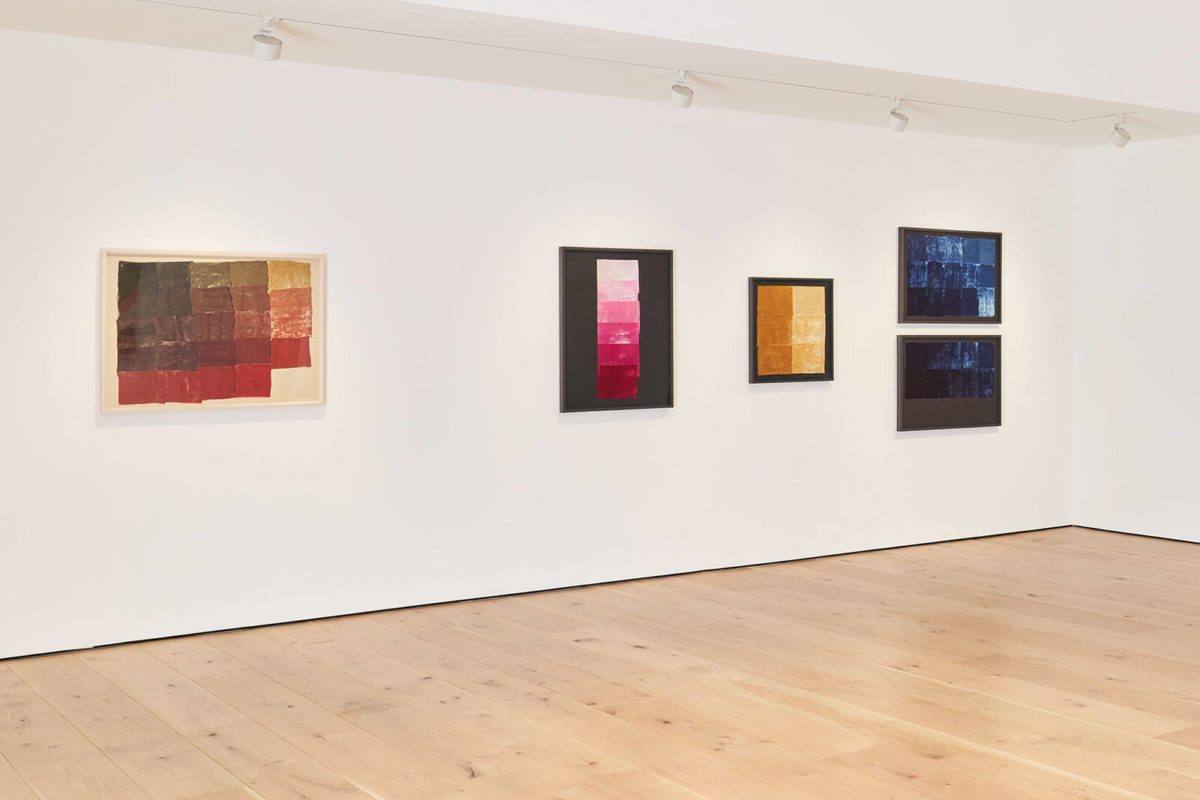
The physical materials Barrada chooses to incorporate — weathered photographs, rusted metals, driftwood, faded textiles — serve as tactile repositories of temporal passage. These materials exhibit signs of age and deterioration, not simply as aesthetic choices but as symbols of memory’s frailty. Their physicality anchors the ephemeral and elusive qualities of memory to something tangible, something that can be touched, seen, and contemplated.
This deliberate accumulation of material histories links the installation to notions of entropy and preservation simultaneously. Objects become relics, worn by time yet preserved within the artwork’s narrative frame, inviting reflections on mortality, decay, and resilience. The material presence is a haunting itself — an embodiment of things past, lingering and persistent.
The Emotional Resonance of Temporal Disjunction
Time in Yto Barrada’s installations is neither linear nor stable. Moments from disparate eras coexist, overlapping and interfering with one another. This temporal disjunction evokes a peculiar emotional state: nostalgia tinged with unease, wonder mixed with melancholy. It is a reminder of how memory is often fractured, layered, and subject to the caprices of forgetting.
This emotional complexity captures audiences by mirroring the multifaceted nature of human recollection — joyous remembrances are shadowed by loss; clarity is fragmented by foggy recollections. The installation becomes a mirror to our interior landscapes where memories haunt us, and we in turn haunt those memories. This reciprocal haunting is at the heart of why Barrada’s installations linger long after the encounter, resonating with a deep and haunting familiarity.
Conclusion: A Space Where the Past Breathes
In essence, Yto Barrada’s installation art occupies a unique place in contemporary expression — it is a realm where memory is not only recalled but palpably relived and re-experienced. The haunting quality that so many observers remark upon is no accident; it arises from a sophisticated blend of spatial design, material choices, emotional layering, and historical sensitivity.
This conjuring of haunted memory speaks to a universal human experience: the desire to reconcile with the past, to make sense of fragmented histories, and to bear witness to what lingers in the shadows of time. Barrada invites viewers into this haunted space — a space of reflection, confrontation, and transcendence. It is here, amid the ghostly whispers of her installations, that memory ceases to be merely remembered and instead begins to live, breathe, and haunt.


Leave a Comment