

In the cavernous embrace of a theater darkened by anticipation, the air hums with the electric charge of possibility. Here, the fourth wall isn’t just a barrier—it’s an invitation, a threshold to be crossed, a pact between stage and spectator. Immersive theater doesn’t merely present a story; it unfolds it in the breath of the audience, weaving their presence into the very fabric of the narrative. To write for this medium is to compose not just dialogue and action, but an entire ecosystem where the spectator becomes a character, a co-creator, a living conduit for the tale. This is storytelling reimagined, where the audience’s heartbeat syncs with the plot’s pulse, and every glance, every whispered aside, every hesitant step forward shapes the unfolding drama.
The alchemy of immersive theater lies in its ability to transform spectators from passive observers into active participants, blurring the line between fiction and reality until the two bleed into one. Imagine stepping into a world where the walls whisper secrets, where the air carries the scent of rain-soaked cobblestones, where a stranger’s touch on your shoulder might be the catalyst for a revelation. This is not theater as spectacle, but theater as experience—a multisensory odyssey where the audience’s choices, reactions, and even their physicality become integral to the story’s evolution. Writing for such an environment demands a radical rethinking of narrative structure, character dynamics, and the very essence of what it means to tell a story.
The Spectator as Protagonist: Crafting a Living Narrative
In traditional theater, the protagonist is a fixed entity, a character with a defined arc and a clear role in the plot. Immersive theater, however, flips this paradigm. Here, the spectator is not merely an observer of the protagonist’s journey—they are the protagonist. The narrative unfolds around them, through them, and sometimes even because of them. This shift requires a narrative architecture that is fluid, responsive, and deeply interactive. The writer must design a story that can adapt to the audience’s presence, their movements, and their emotional responses, creating a dynamic tapestry where every thread is connected to the spectator’s experience.
Consider the concept of narrative elasticity—the idea that the story can stretch or contract based on the audience’s engagement. A shy spectator might find themselves in a quiet, introspective scene, while a bold one could be thrust into a high-stakes confrontation. The writer must anticipate these variations, crafting multiple narrative pathways that feel organic yet unpredictable. This is not about offering a menu of choices, but about designing a world where every interaction, no matter how small, ripples through the narrative fabric. The spectator’s role is not to solve a puzzle, but to inhabit a role, to become a living variable in an equation where the outcome is as unique as their fingerprint.

The Architecture of Participation: Designing for Engagement
Writing for immersive theater is akin to composing a symphony where the audience is both the orchestra and the audience. The writer must think in terms of participatory architecture, designing environments and interactions that invite the spectator to engage not just intellectually, but viscerally. This means considering the physical space as a character in itself—a labyrinthine set where every corridor, every door, every hidden alcove holds a potential narrative beat. The spectator’s journey through this space becomes a physical manifestation of their emotional and psychological journey through the story.
One of the most powerful tools in this arsenal is environmental storytelling, where the setting itself conveys narrative information without a single word being spoken. A half-eaten meal on a table might hint at a recent betrayal; a trail of blood leading to a locked door could foreshadow a confrontation. The writer must think like a set designer, ensuring that every object, every texture, every scent contributes to the narrative’s depth. The audience doesn’t just see these elements—they experience them, and in doing so, they become active participants in the unraveling of the story.
Another critical element is temporal fluidity—the idea that time in immersive theater is not linear but elastic. A scene might unfold in real-time, with the audience’s presence dictating the pace, or it might loop back on itself, allowing the spectator to witness events from multiple perspectives. This requires a narrative structure that is non-traditional, perhaps even fragmented, where the audience’s movement through space dictates the order in which they experience the story. The writer must become a choreographer of time, orchestrating moments of tension, revelation, and catharsis in a way that feels both spontaneous and inevitable.
The Illusion of Control: Balancing Structure and Serendipity
At the heart of immersive theater lies a paradox: the audience craves the illusion of control, yet the most memorable experiences often emerge from the unplanned, the serendipitous. The writer must strike a delicate balance between providing enough structure to guide the spectator’s journey and leaving enough room for spontaneity to flourish. This is where the concept of controlled spontaneity comes into play—a framework where the narrative is meticulously planned, but the audience’s interactions introduce an element of unpredictability that keeps the experience fresh and alive.
Consider the role of the narrative facilitator, a figure (often an actor or guide) who shepherds the audience through the experience while remaining open to their contributions. This facilitator is not a traditional narrator but a co-conspirator, someone who can adapt their performance based on the audience’s reactions. The writer must craft dialogue and scenarios that allow for this fluidity, ensuring that the facilitator can respond authentically to the spectator’s choices without breaking the narrative’s internal logic. It’s a high-wire act, requiring both precision and flexibility, where the writer must trust in the audience’s ability to co-create the story while maintaining a coherent throughline.
One technique to achieve this balance is the use of modular scenes—self-contained narrative beats that can be rearranged or omitted based on the audience’s engagement. A scene might be triggered by a spectator entering a specific area, or it might unfold differently depending on whether the audience is attentive or distracted. This modular approach allows the writer to create a rich, layered experience that feels personal and unique to each spectator, even as the core narrative remains intact. The key is to design scenes that are robust enough to stand alone, yet flexible enough to adapt to the audience’s presence.

The Senses as Storytellers: Engaging Beyond the Visual
Immersive theater is a feast for the senses, a multisensory banquet where sight is only the beginning. The writer must think beyond the visual, crafting an experience that engages hearing, touch, smell, and even taste. This is where the concept of synesthetic storytelling comes into play—a narrative approach that leverages the interplay between the senses to create a richer, more immersive experience. A scent of old books might evoke a sense of nostalgia, while the texture of a rough-hewn table could ground the spectator in a specific time and place. The writer must become a composer of sensations, ensuring that every sensory input serves the narrative’s emotional and thematic core.
Sound design is particularly crucial in immersive theater, where audio can guide the spectator’s journey, signal transitions, or even manipulate their emotional state. The writer must collaborate closely with sound designers to create an auditory landscape that is both immersive and responsive. Ambient sounds might shift subtly as the spectator moves through the space, or a sudden silence could signal a moment of tension. The use of binaural audio—recordings that create a 3D soundscape—can further enhance the sense of presence, making the spectator feel as though they are truly inhabiting the world of the story.
Touch and movement are equally vital. The writer must consider the physicality of the experience, designing scenes that encourage the spectator to interact with the environment. A locked door might require a key hidden elsewhere in the space, or a character might hand the spectator an object that triggers a memory or a revelation. The tactile experience becomes a metaphor for the spectator’s journey—each touch, each step, each breath a part of the narrative’s unfolding. The writer must think of the spectator’s body as an instrument, one that can be played to create a symphony of sensations and emotions.
The Ethical Dimension: Respecting the Audience’s Agency
With great power comes great responsibility, and immersive theater is no exception. The writer must approach the spectator’s agency with care, ensuring that their participation is not coerced or manipulated. This means designing experiences that are inclusive, respectful, and mindful of the spectator’s boundaries. The concept of ethical immersion requires the writer to consider the emotional and psychological impact of the experience, crafting narratives that challenge and engage without overwhelming or exploiting the audience.
One way to achieve this is through the use of consent-based design, where the spectator is given clear choices about their level of engagement. A scene might offer an opt-out option, allowing the spectator to observe rather than participate, or a facilitator might check in with the audience to ensure they are comfortable. The writer must also be mindful of the spectator’s physical safety, designing environments that are accessible and free from hazards. This is particularly important in experiences that involve darkness, confined spaces, or physical interaction, where the spectator’s vulnerability must be respected.
Another ethical consideration is the representation of diverse voices and perspectives. Immersive theater has the power to amplify marginalized stories, but it also risks appropriation or misrepresentation if not handled with care. The writer must approach their subject matter with humility and respect, collaborating with communities and individuals whose stories they wish to tell. This collaborative approach not only enriches the narrative but also ensures that the experience is authentic and meaningful for all involved.
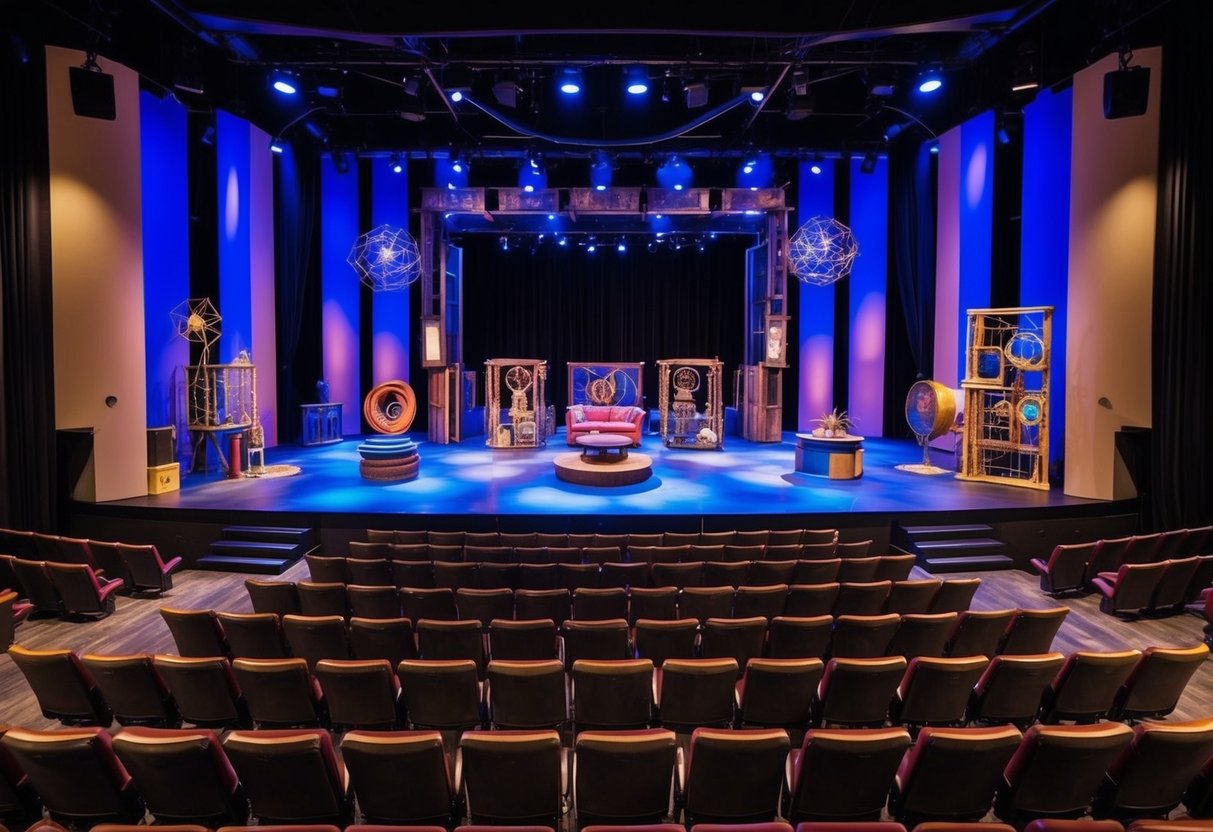
To write for immersive theater is to embark on a voyage into the unknown, where the boundaries between creator and audience dissolve into a shared act of creation. It is a medium that demands courage, creativity, and a willingness to relinquish control—to trust in the audience’s ability to co-author the story alongside you. The writer becomes a weaver of dreams, crafting a world that is as much a product of the spectator’s imagination as it is of their own. In this alchemy of participation and presence, the audience is not just a witness to the story—they are the story itself.
The magic of immersive theater lies in its ability to transform the spectator from a passive observer into an active participant, a co-conspirator in the unraveling of a narrative that is as unique as their own fingerprint. It is a medium that thrives on the unexpected, the serendipitous, the deeply personal. To write for this world is to embrace the unknown, to dance with the spectator on the edge of a story that is still being written. And in that dance, something extraordinary happens: the audience doesn’t just watch the story—they become part of it, forever changed by the experience.


Leave a Comment