

In the alchemy of jewelry crafting, where metal bends to the will of the artisan and gemstones whisper tales of ancient fire, there exists a silent saboteur: the bezel wire that stands too tall. It’s not merely an aesthetic misstep—it’s a betrayal of precision, a misalignment of intention. When your bezel wire looms over the stone like an overzealous guardian, it doesn’t just obscure the gem’s brilliance; it muffles the very soul of the piece. The flush setting, that elegant dance of metal and mineral, demands harmony. And harmony begins with a wire that knows its place.
Imagine, for a moment, a grand cathedral. Its stained-glass windows are masterpieces of light and color, but if the leaden framework juts out too far, it casts shadows where radiance should reign. The bezel wire is the lead in your jewelry’s cathedral. When it’s too high, it doesn’t just frame the stone—it smothers it. The flush setting isn’t just a technique; it’s a philosophy. It’s the art of making the metal vanish, of letting the stone breathe, of creating a seamless union where the gem and its setting become one. But when the wire rebels, standing proud and unruly, it disrupts that union. It’s time to tame the beast.
The Geometry of Discontent: Why Height Matters in Flush Settings
Flush settings are a study in geometry, a ballet of angles and edges where every millimeter counts. The bezel wire, when properly seated, should cradle the stone like a lover’s embrace—not a chokehold. A wire that’s too high disrupts the stone’s natural curvature, creating an uneven pressure point. Instead of a snug, invisible grip, you get a gap, a void where dirt collects and light fractures. The gem, meant to dazzle, ends up looking like it’s peeking out from behind a curtain.
Consider the stone’s profile. A flush setting relies on the metal being pressed flush against the gem’s girdle, the narrow band that separates the crown from the pavilion. If the wire is elevated, even by a fraction, the pressure isn’t distributed evenly. The stone may wobble. The metal may thin prematurely. And worst of all, the setting loses its defining characteristic: the illusion that the gem is floating, untethered, as if gravity itself has been defied. A high bezel wire doesn’t just fail technically—it fails visually.
Think of the flush setting as a whisper, not a shout. It’s the difference between a bold declaration and a subtle secret. When the wire is too high, it screams for attention. It becomes the focal point, not the stone. And in jewelry, the stone should always be the protagonist.
The Domino Effect: How a High Bezel Wire Ruins Your Entire Piece
One misstep rarely travels alone. A bezel wire that’s too high doesn’t just mar the setting—it sets off a chain reaction of problems. First, there’s the issue of durability. A wire that’s improperly seated is more prone to bending or snagging. It weakens over time, especially if the wearer’s lifestyle involves movement—typing, gardening, embracing a loved one. The wire may start to lift, creating a pocket where moisture and grime accumulate. Before long, the stone loosens. The setting fails. The piece becomes a liability, not a treasure.
Then there’s the matter of light. A flush setting is designed to maximize a gem’s brilliance by allowing light to enter from all angles. But a high bezel wire acts like a dam, blocking light from reaching the stone’s pavilion. The gem appears duller, less vibrant. It’s as if the piece is wearing a veil, shrouding its true beauty. And in a world where every sparkle counts, that’s a tragedy.
Finally, there’s the psychological impact. A poorly executed flush setting doesn’t just look wrong—it feels wrong. It’s like wearing a suit with a tie that’s too long; no matter how expensive the fabric, the effect is sloppy. Jewelry is an extension of the wearer’s identity. When a piece doesn’t meet the mark, it doesn’t just disappoint—it erodes confidence. The wearer may hesitate to wear it, to show it off, to let it shine. And that’s the antithesis of what jewelry should do.
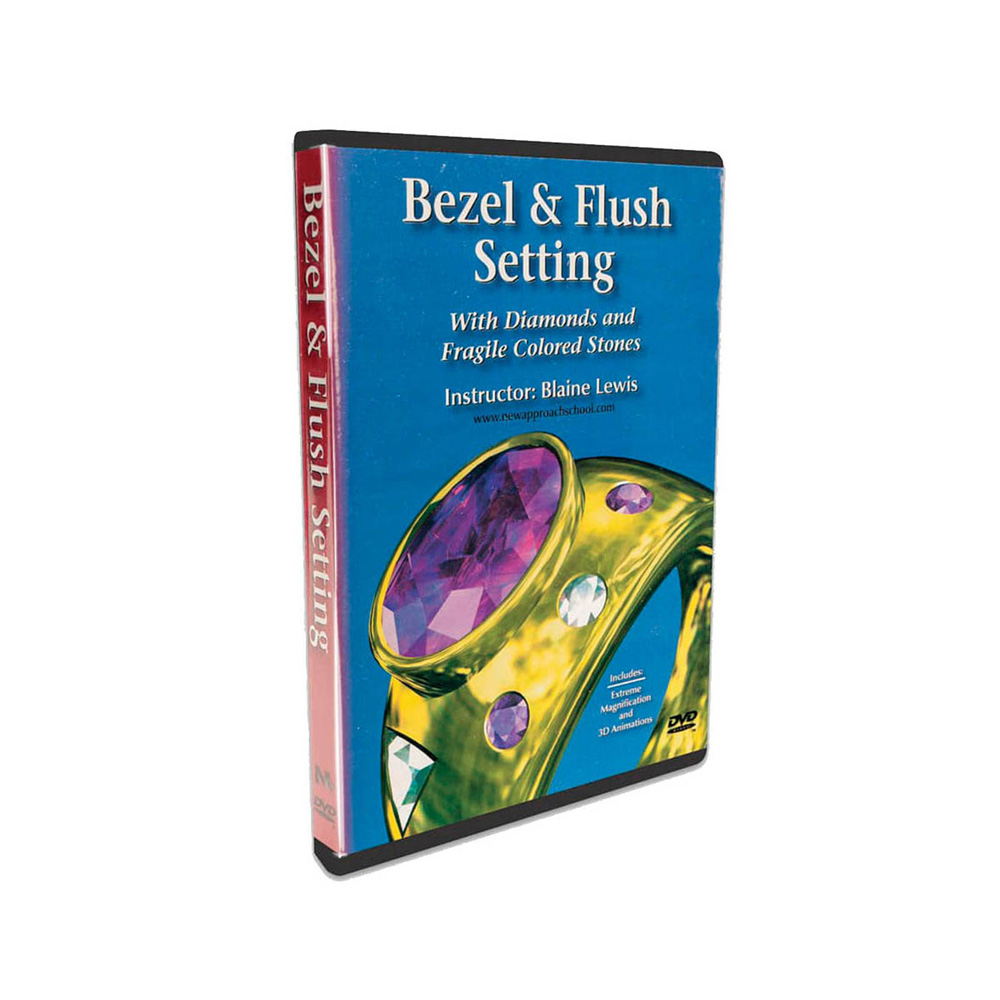
The Art of the Subtle Cradle: Techniques to Seat Your Bezel Wire Correctly
Achieving a flush setting that whispers rather than shouts begins with the right tools and techniques. The first step is preparation. The metal must be annealed—softened—so it can be manipulated without cracking. A stiff wire is a stubborn wire, and stubbornness leads to uneven seating. Use a jeweler’s torch to heat the bezel evenly, then quench it in water to lock in the malleability.
Next, the stone must be securely held in place. A flush setting requires the gem to be nestled snugly in a seat, often created with a graver or a bur. The seat should match the stone’s girdle precisely, leaving no room for error. If the seat is too shallow, the wire won’t have enough to grip. If it’s too deep, the wire may not reach the girdle at all. Precision here is non-negotiable.
Now, the wire. It should be cut to the exact circumference of the stone’s girdle, with a slight overlap to allow for compression. Use a bezel mandrel to shape the wire into a perfect ring. Then, with a burnisher or a flat-faced hammer, gently push the wire down over the stone. The key is consistency—apply even pressure all around, working in small sections. If you rush, you’ll create high spots. If you hesitate, you’ll leave gaps. It’s a dance, one that rewards patience and punishes haste.
Finally, the finishing touches. A flush setting isn’t truly flush until the wire has been planished—hammered flat—to eliminate any remaining texture. This step is where the magic happens. The metal and stone become indistinguishable, a single, unbroken surface. It’s not just a setting; it’s a revelation.
The Psychological Allure of the Invisible Setting
There’s a reason flush settings have endured for centuries. They tap into something primal: the desire to make the extraordinary appear effortless. A flush-set gem doesn’t just sit in its setting—it seems to defy physics, as if it’s suspended in midair. This illusion is intoxicating. It’s the same reason we’re drawn to levitating objects in magic tricks or the way a magician’s assistant seems to float above the stage. The flush setting is a sleight of hand, a trick of the eye that makes the impossible feel inevitable.
But this allure is fragile. It relies on the metal’s obedience, its willingness to conform. A high bezel wire shatters the illusion. It’s like seeing the strings in a puppet show—suddenly, the magic is gone. The wearer no longer feels like a sorcerer of style; they feel like a victim of poor craftsmanship. And in a world where authenticity is prized above all else, that’s a fatal flaw.
There’s also the matter of exclusivity. Flush settings are often associated with high-end, bespoke jewelry. They’re the choice of artisans who understand that true luxury isn’t about ostentation—it’s about restraint. A flush-set gem is a secret shared between the wearer and the piece. It’s intimate, understated, and all the more powerful for it. But when the wire betrays that intimacy, the piece loses its cachet. It becomes just another trinket, not a talisman.
The Final Polish: When to Walk Away and When to Push Forward
Not every attempt at a flush setting will succeed on the first try. Sometimes, the wire refuses to seat properly, no matter how much you hammer or burnish. In those moments, it’s crucial to know when to walk away. Forcing the issue can lead to cracks in the metal or damage to the stone. It’s better to start over than to create a piece that’s doomed to fail.
But if you’re close—if the wire is just a hair too high, just a millimeter off—don’t despair. Sometimes, a little extra pressure or a strategic tap with a planishing hammer can work wonders. The key is to listen to the metal. It will tell you when it’s ready. And when it finally seats flush, when the stone and wire become one seamless entity, you’ll understand the true meaning of craftsmanship. It’s not just about making something beautiful. It’s about making something that feels inevitable.
The flush setting is more than a technique. It’s a philosophy. It’s the belief that the best jewelry doesn’t shout—it sings. And when the bezel wire is just right, when it cradles the stone without a trace of itself, the song is pure. It’s the sound of metal and mineral in perfect harmony, a duet that leaves the wearer—and the beholder—breathless.
So next time you sit at your bench, torch in hand, remember: the wire isn’t just a strip of metal. It’s the guardian of a secret. It’s the difference between a piece that’s merely worn and one that’s truly cherished. Seat it well, and you’ll create not just jewelry—but magic.


Leave a Comment